The Transformative Power of Home Upgrades: Crafting Your Ideal Sanctuary
There’s a palpable thrill that comes with envisioning a new look or improved functionality for your home. It’s more than just a project; it’s an evolution of your personal space, a reflection of your aspirations, and a proactive step towards a more comfortable and inspiring life. Home upgrades, regardless of their scale, possess an incredible power to impact daily living, emotional well-being, and even long-term financial security. From a fresh coat of paint that revitalizes a tired room to a complete smart home integration that streamlines your routine, each enhancement contributes to a larger narrative: the story of your home. Embracing this journey allows you to not only personalize your environment but also to address underlying needs and anticipate future trends. It’s about creating a space that doesn’t just house you, but truly nurtures you, adapting to your evolving needs and desires. The right upgrades can turn a house into a haven, a blank canvas into a masterpiece, and a mere structure into a living, breathing extension of yourself. This proactive approach to homeownership is what defines the modern homeowner – someone who understands that a home is a dynamic entity, constantly ready for thoughtful evolution and enhancement.
Before embarking on any major renovation, it’s essential to clarify your goals. Are you seeking to boost curb appeal for a potential sale, or are you designing your forever home? Is your primary focus on aesthetics, functionality, or increasing property value? Often, the most successful projects beautifully intertwine elements from all three categories. For instance, a beautifully designed, energy-efficient window replacement enhances aesthetics, improves insulation (functionality), and significantly boosts property value. Understanding these interconnected benefits will guide your decisions and ensure your efforts yield the most impactful results. It’s a holistic approach to home improvement that considers every facet of your living experience, from the tactile sensation of a new countertop to the seamless integration of smart lighting. Thinking critically about these initial questions ensures that your investment, whether of time, money, or creative energy, is channeled effectively towards upgrades that genuinely matter to you and your home’s future. This foundational understanding is the bedrock upon which truly transformative projects are built, setting the stage for success and satisfaction.
Type 1: Elevating Aesthetics – The Art of Visual Storytelling
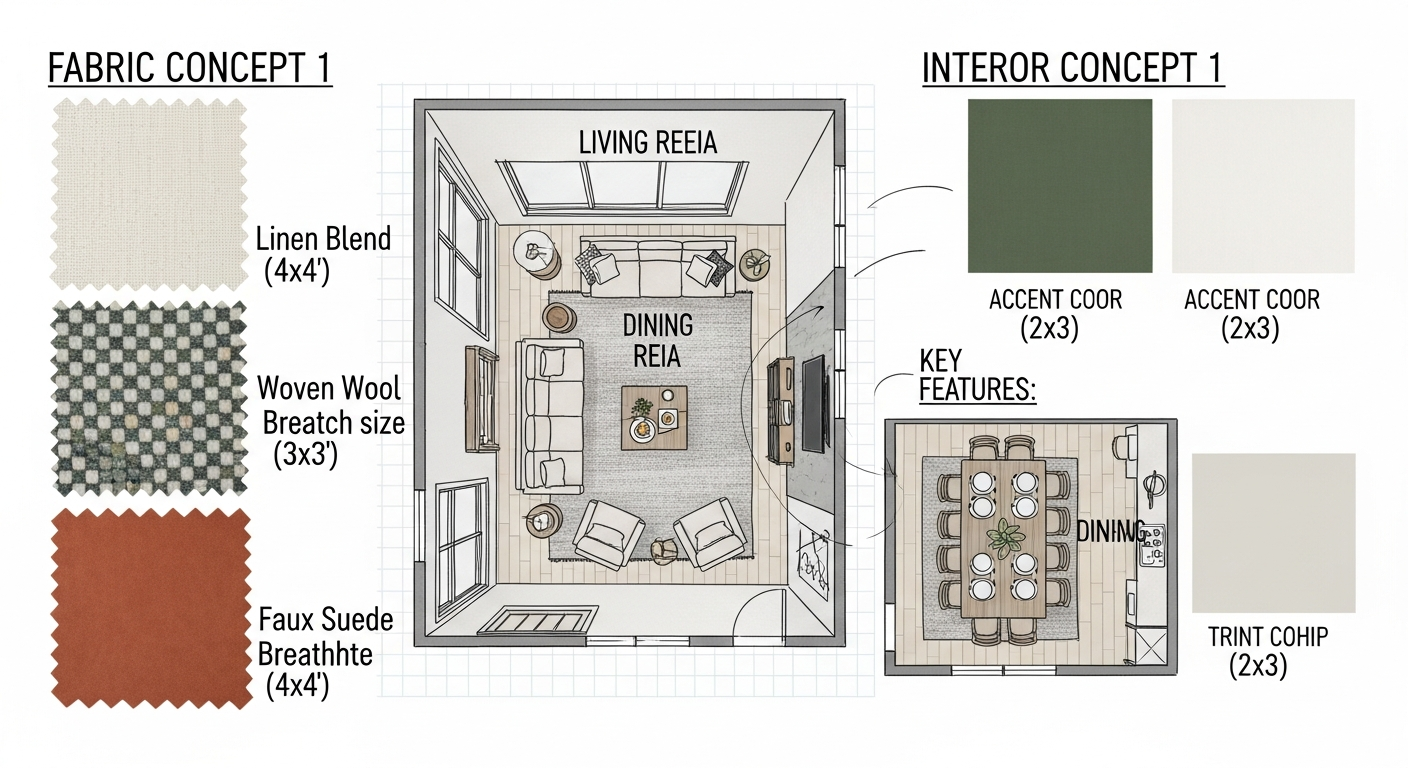
Aesthetic upgrades are perhaps the most immediately gratifying and visually impactful type of home transformation. These are the changes that speak directly to the soul of your home, defining its character, mood, and overall style. They are about creating an environment that not only looks stunning but also evokes a specific feeling – be it calm, vibrant, sophisticated, or cozy. In 2026, the emphasis remains on personalized spaces that tell a story, moving beyond fleeting trends to embrace enduring beauty and individual expression. Think beyond mere decoration; consider how each element contributes to the overall visual narrative and emotional resonance of a room. This type of upgrade is an invitation to play with color, texture, light, and form, turning ordinary spaces into extraordinary experiences. It’s about curating a home that feels authentically yours, a place where every corner reflects your taste and passions, making every return a welcome embrace of beauty and comfort. The power of aesthetics lies in its ability to transform not just spaces, but also spirits, fostering an environment of inspiration and tranquility.
Refining Your Home’s Persona Through Color and Texture
- Strategic Color Palettes: A fresh coat of paint remains one of the most cost-effective and dramatic aesthetic upgrades. Beyond just changing a wall color, consider how a cohesive palette flows throughout your home. Warm neutrals can create a serene backdrop, while bold accent walls can inject personality and dynamism. Don’t shy away from exploring unique finishes like limewash or Venetian plaster for added texture and depth, reflecting a sophisticated appreciation for materials.
- Textural Play: Introduce rich textures through fabrics, rugs, and decorative elements. Velvet cushions, chunky knit throws, woven baskets, and natural wood furniture can add warmth, depth, and a tactile richness that elevates a space from flat to layered and inviting. These elements are crucial for creating a multi-sensory experience within your home, inviting touch and adding visual interest that can’t be achieved with smooth surfaces alone.
- Art and Decor: Curate artwork, sculptures, and decorative objects that resonate with your personal style. These pieces are more than mere fillers; they are conversation starters, mood setters, and reflections of your journey. Mix and match styles, eras, and mediums to create a dynamic and visually stimulating environment that feels authentically collected over time. Consider how lighting can highlight these pieces, turning them into focal points.
Illuminating Spaces: The Impact of Lighting and Finishes
- Layered Lighting Design: Effective lighting is a cornerstone of good interior design. Move beyond a single overhead fixture to incorporate ambient, task, and accent lighting. Dimmers, smart bulbs, and statement chandeliers can dramatically alter the mood and functionality of a room. Lighting is not just about visibility; it’s about creating atmosphere and highlighting architectural features or cherished possessions.
- Upgraded Fixtures and Hardware: Swapping out outdated light fixtures, cabinet pulls, faucets, and door handles can have an astonishing impact. These small details, often overlooked, are critical touchpoints that contribute significantly to the perceived quality and modernity of your home. Choose finishes like brushed brass, matte black, or polished nickel to align with your overall design aesthetic and create a cohesive look.
- Flooring and Wall Treatments: Beyond paint, consider the transformative power of new flooring – perhaps warm hardwood, elegant tile, or plush carpeting. Feature walls with wallpaper, reclaimed wood panels, or intricate moldings can add architectural interest and a bespoke feel, turning an ordinary wall into a focal point. These foundational elements lay the groundwork for the entire room’s aesthetic.
Aesthetic upgrades are about intentional design choices that culminate in a cohesive, beautiful, and inviting home. They are the brushstrokes that bring your vision to life, creating an environment that inspires joy and comfort every single day. Remember, beauty is in the details, and thoughtful curation can elevate even the most mundane spaces into something truly exceptional. It’s a continuous process of refinement and expression, allowing your home to evolve with you.
Type 2: Enhancing Functionality – Smart Solutions for Modern Living
Optimizing Space and Flow for Daily Life
- Smart Storage Solutions: Clutter is the enemy of calm. Implementing clever storage solutions – built-in shelving, custom cabinetry, pantry organizers, or under-bed storage – can dramatically improve tidiness and usability. Think vertically and utilize often-neglected spaces. A well-organized home is a functional home, reducing stress and enhancing efficiency. This is particularly important for maintaining mental clarity and ensuring that every item has its designated place, making daily routines much smoother.
- Multi-functional Furniture and Layouts: As living spaces shrink, furniture that serves multiple purposes becomes invaluable. A sofa that converts into a bed, an ottoman with hidden storage, or a dining table that extends for guests are all excellent examples. Rethinking room layouts to improve flow and designate specific zones for work, relaxation, and dining can also significantly enhance functionality, making your home feel larger and more versatile.
- Improving Bathroom Functionality: When considering “3 ways to improve the functionality of your bathroom,” think about smart storage, better lighting, and optimized fixtures.
- Integrated Storage: Vanity drawers with dividers, recessed medicine cabinets, and open shelving can keep toiletries organized and accessible.
- Enhanced Lighting: Bright, even task lighting around the mirror, combined with ambient lighting, makes grooming easier and the space feel more inviting.
- Water-Saving Fixtures: Low-flow toilets and showerheads not only conserve water but also offer modern design and improved performance, ensuring a sustainable and efficient bathroom experience.
These seemingly small changes can have a huge impact on daily comfort and efficiency.
Embracing Smart Home Technology for Seamless Living
- Integrated Smart Home Systems: From smart thermostats that learn your preferences to automated lighting, security cameras, and voice-controlled assistants, smart home technology offers unparalleled convenience and energy efficiency. These systems can be integrated seamlessly, allowing you to control various aspects of your home from a single app or voice command, simplifying daily routines and providing peace of mind.
- Energy-Efficient Appliances: Upgrading to energy-star rated appliances for your kitchen and laundry room not only reduces your carbon footprint but also significantly lowers utility bills. Modern appliances often come with smart features that enhance functionality, such as smart refrigerators that track inventory or ovens that preheat remotely. This investment pays dividends in both environmental responsibility and cost savings.
- Improved Connectivity: With the rise of remote work and entertainment streaming, robust home Wi-Fi and integrated charging solutions are no longer luxuries but necessities. Consider hardwiring internet connections to critical areas, installing discreet charging stations, and ensuring seamless connectivity throughout your home for maximum productivity and enjoyment.
Functional upgrades are an investment in your daily comfort and long-term efficiency. They address the practicalities of living, creating a home that is not only beautiful but also intuitively designed to support your lifestyle. By thinking strategically about how you use each space, you can unlock a new level of convenience and enjoyment, making your home a true sanctuary of modern living.
Type 3: Investing in Value – Upgrades That Pay Dividends
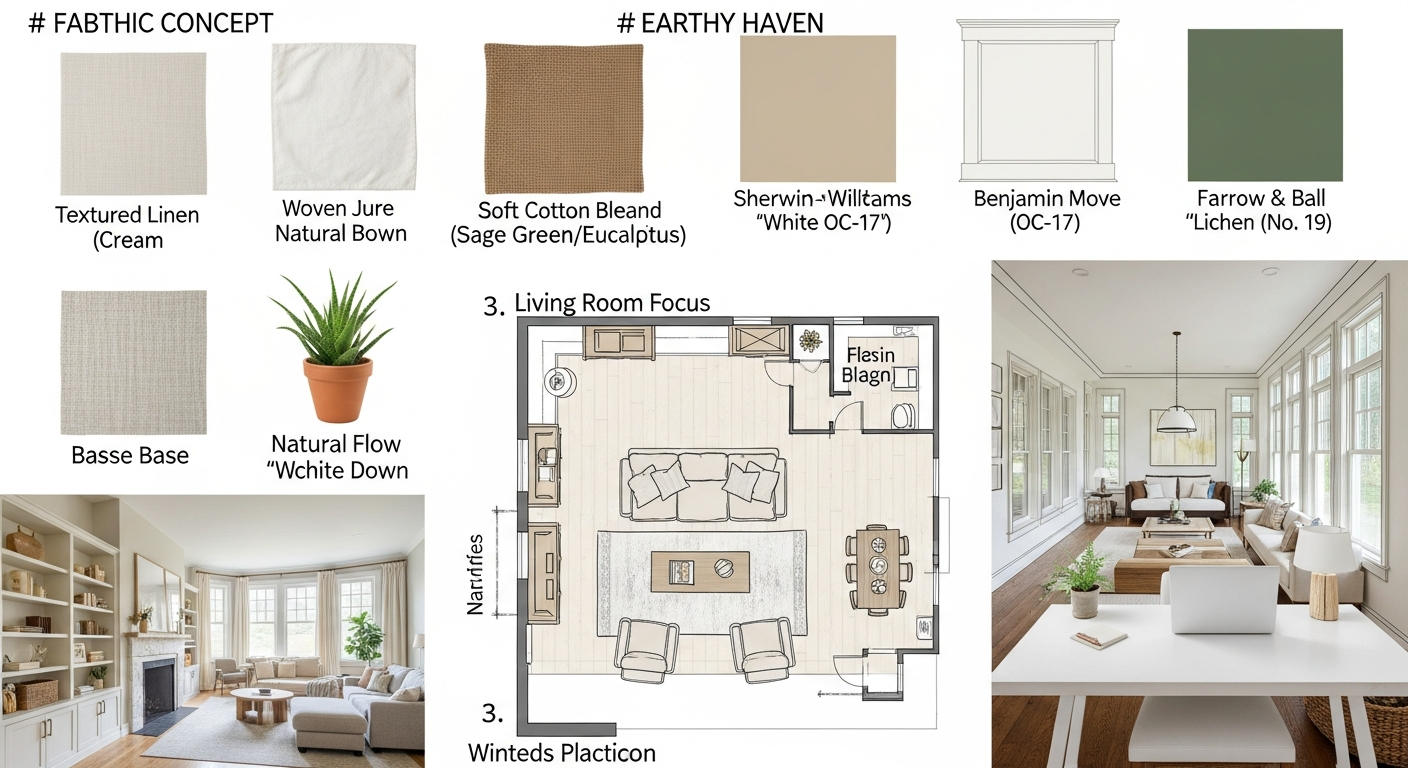
While aesthetic and functional upgrades contribute to your enjoyment, value-adding upgrades are those specifically designed to increase your property’s market worth and long-term appeal. These are often the more substantial projects that address foundational elements, improve energy efficiency, or modernize key areas that buyers prioritize. Investing in value means making strategic decisions that not only enhance your current living experience but also secure your financial future by maximizing your home’s resale potential. In a competitive housing market, these upgrades can make your home stand out, attracting discerning buyers and commanding a higher price. It’s about building equity and making smart choices that will continue to pay off for years to come, ensuring your home is not just a place to live, but a robust asset. This category often involves looking at your home through the eyes of a future buyer or considering its resilience and sustainability for the long haul.
Key Areas for Maximizing Return on Investment (ROI)
- Kitchen Remodels: The kitchen is often considered the heart of the home, and a well-executed remodel consistently tops the list for ROI. Focus on modernizing appliances, updating countertops (quartz or granite are popular choices), refreshing cabinetry, and improving layout. Even minor updates like new hardware and a fresh backsplash can significantly enhance appeal without breaking the bank. A functional, stylish kitchen is a major selling point.
- Bathroom Renovations: Similar to kitchens, updated bathrooms offer excellent returns. Focus on contemporary fixtures, new tiling, improved lighting, and perhaps a walk-in shower. Creating a spa-like atmosphere, even in a small bathroom, can greatly increase its perceived value and appeal. Consider “3 ways to improve the functionality of your bathroom” in terms of resale value – efficient layout, durable materials, and timeless design.
- Curb Appeal Enhancements: First impressions are everything. Landscaping improvements, a fresh coat of exterior paint, updated garage doors, a welcoming front door, and well-maintained pathways can dramatically boost curb appeal and signal a well-cared-for home. These exterior upgrades are often the first thing potential buyers see, making them critical for generating initial interest.
Long-Term Value and Sustainability
- Energy-Efficient Windows and Insulation: Upgrading to double or triple-pane windows and improving attic or wall insulation significantly reduces energy costs and enhances comfort. These are often invisible upgrades but offer substantial long-term savings and appeal to environmentally conscious buyers. They also improve the overall structural integrity and climate control of the home.
- Roof Replacement: A new roof is a significant investment, but it’s crucial for protecting your home’s structure and is a major selling point. Buyers are often wary of homes needing immediate major repairs, and a new roof offers peace of mind. Consider durable, long-lasting materials that also offer aesthetic appeal. This falls under “Things you should never neglect in your home” as it is vital for structural integrity.
- Smart Home Integration for Resale: While initially a functional upgrade, a professionally installed and integrated smart home system (thermostats, lighting, security) is increasingly attractive to buyers, especially younger generations. It signals a modern, tech-forward home and can differentiate your property in the market.
- Structural and Safety Upgrades: Addressing foundational issues, updating electrical systems, or replacing old plumbing are essential for safety and long-term structural integrity. While not always glamorous, these “Things you should never neglect in your home” are fundamental to maintaining property value and avoiding costly problems down the line. They provide a solid foundation for any other upgrades.
Investing in value-adding upgrades is a strategic move that protects and grows your most significant asset. By focusing on areas that consistently yield high returns and ensure the long-term health of your home, you’re not just renovating; you’re building equity and securing your financial future. This type of upgrade requires careful planning and often a larger budget, but the payoff in increased property value and peace of mind is immeasurable.
Navigating Your Upgrade Journey: Planning and Execution
Embarking on a home upgrade journey, regardless of the type, requires careful planning, strategic decision-making, and a clear vision. The success of your project hinges not just on the quality of the work, but on the meticulous preparation that precedes it. Without a solid roadmap, even the most inspiring ideas can quickly become overwhelming and costly. This section guides you through the essential steps to ensure your home upgrade experience is as smooth, efficient, and rewarding as possible, transforming your vision into a tangible reality. It’s about empowering you with the tools and knowledge to manage expectations, mitigate risks, and achieve outstanding results that truly reflect your aspirations for your home.
From Vision to Blueprint: Essential Planning Steps
- Define Your Goals and Budget: Clearly articulate what you want to achieve with your upgrade. Is it a cosmetic refresh, a functional overhaul, or an investment for resale? Establish a realistic budget, including a contingency fund (typically 10-20% of the total project cost) for unforeseen expenses. This initial clarity will serve as your compass throughout the entire process. Without a clear budget, projects can quickly spiral out of control.
- Research and Gather Inspiration: Dive into design blogs (like Layout Scene!), magazines, Pinterest, and Houzz to gather ideas. Create mood boards that capture your desired aesthetic and functionality. This step is crucial for communicating your vision effectively to designers and contractors, ensuring everyone is on the same page. Explore different styles, materials, and innovative solutions that resonate with your personal taste.
- Consult Professionals: For significant upgrades, consider hiring an interior designer, architect, or general contractor. Their expertise can save you time, money, and stress by providing professional guidance, design insights, and project management. They can help you navigate permits, material selections, and contractor vetting, ensuring compliance and quality workmanship. A good professional can translate your abstract ideas into concrete plans.
- Prioritize and Phase Your Projects: If your vision is extensive, consider breaking down your upgrades into manageable phases. Prioritize projects based on urgency, impact, and budget. For example, addressing “Things you should never neglect in your home” like roofing or structural repairs should often precede aesthetic changes. Phased renovations allow for better financial management and less disruption to your daily life.
Execution: Bringing Your Vision to Life
- Vetting Contractors and Obtaining Bids: Always get multiple bids from reputable, licensed, and insured contractors. Check references, review their portfolios, and ensure their communication style aligns with yours. A clear, detailed contract outlining the scope of work, timeline, payment schedule, and materials is non-negotiable. Don’t rush this critical step; the right contractor is key to a successful project.
- Material Selection and Procurement: Work closely with your designer or contractor to select materials that meet your aesthetic, functional, and budgetary requirements. Consider durability, maintenance, and sustainability. Ordering materials in advance can help prevent delays, especially for custom items or those with long lead times. Being decisive here can significantly impact your project timeline.
- Communication and Oversight: Maintain open and regular communication with your project team. Schedule regular check-ins to monitor progress, address any issues promptly, and make necessary adjustments. Being present and engaged, without micromanaging, ensures your vision is being executed correctly and efficiently. Clear communication prevents misunderstandings and keeps the project on track.
- Post-Renovation Review: Once the work is complete, conduct a thorough walkthrough with your contractor to identify any punch list items that need to be addressed. Ensure all work meets the agreed-upon standards before making final payments. Document the completed work with photos and keep all warranties and manuals for future reference.
The journey of home upgrades is an exciting one, filled with potential for transformation. By approaching it with careful planning, informed decisions, and effective execution, you can create a home that not only looks stunning but also functions flawlessly and provides lasting value. It’s an investment in your lifestyle, your comfort, and your future, leading to a space that truly enhances your daily living experience.
The Future of Home Upgrades: Trends to Watch in 2026
As we look ahead to 2026, the landscape of home upgrades is continually evolving, driven by technological advancements, environmental consciousness, and a deeper understanding of human well-being. The trends emerging now suggest a future where our homes are not just structures, but intelligent, adaptive, and restorative environments. Homeowners are increasingly seeking upgrades that offer more than just superficial beauty; they desire spaces that actively contribute to their health, productivity, and connection to the natural world. This forward-looking perspective shapes how we approach design, materials, and the very concept of home. The emphasis is shifting towards holistic living, where every upgrade is considered for its multifaceted impact on both the inhabitants and the planet. Get ready to embrace innovations that promise to make your home more intuitive, sustainable, and utterly captivating.
Smart, Sustainable, and Sensory: The Pillars of Tomorrow’s Homes
- Hyper-Personalized Smart Homes: Beyond basic automation, 2026 will see smart home systems becoming truly hyper-personalized, learning individual habits and preferences to proactively adjust lighting, temperature, music, and even scents to create optimal environments. AI-driven systems will anticipate needs, offering seamless, intuitive control that integrates into daily life without conscious effort. Imagine a home that knows when you wake up and gently eases you into the day with subtle light and a personalized news brief.
- Biophilic Design Integration: The connection to nature will deepen, moving beyond potted plants to integrated biophilic elements. Think living walls, indoor water features, natural light maximization through smart windows, and materials that mimic organic textures and forms. Homes will be designed to blur the lines between indoors and outdoors, fostering a sense of calm and well-being. This trend emphasizes the importance of nature for mental and physical health, making it a core aspect of home design.
- Modular and Flexible Living Spaces: Adaptability will be key. Home upgrades will focus on creating spaces that can easily transform to serve multiple functions – a dining area that becomes a home office, a guest room that doubles as a gym. Modular furniture, movable walls, and integrated storage will facilitate this flexibility, catering to the dynamic needs of modern families and remote workers. This reflects a shift towards more agile and responsive living environments.
- Advanced Sustainable Materials: The demand for eco-friendly and sustainable materials will continue to grow. Expect to see innovative applications of recycled materials, rapidly renewable resources like bamboo and cork, and carbon-negative building components. Homeowners will prioritize materials that are not only beautiful and durable but also ethically sourced and environmentally responsible, contributing to a healthier planet.
- Wellness-Centric Design: Homes will increasingly be designed as sanctuaries for health and wellness. Upgrades will include features like advanced air and water purification systems, circadian lighting that supports natural sleep cycles, soundproofing for tranquility, and dedicated spaces for meditation, yoga, or indoor gardening. The focus is on creating environments that actively promote physical and mental well-being. This integrates deeply with the desire to “Are you ready to enhance your home” by making it a place of rejuvenation.
- Invisible Technology: Technology will become even more discreet, seamlessly integrated into architecture and furniture. Think screens that disappear into walls, speakers hidden within decor, and charging stations embedded within surfaces. The aim is to provide advanced functionality without visual clutter, allowing the design aesthetic to remain paramount.
The future of home upgrades in 2026 is exciting, promising homes that are smarter, healthier, and more attuned to our individual needs and values. By embracing these emerging trends, homeowners can create spaces that are not only beautiful and efficient but also deeply restorative and future-proof, truly enhancing every aspect of modern living. It’s about envisioning a home that evolves with you and for you, a testament to thoughtful design and innovation.
Frequently Asked Questions
Recommended Resources
Check out What Is Venture Capital And How Does It Work on Eamped for a deeper dive.
Explore Best Task Manager Apps 2026 for additional insights.