How To Design A Poster From Scratch – Layout Scene


How To Design A Poster From Scratch

Posters are more than just pieces of paper; they are powerful visual statements, iconic messengers, and often, the first point of contact between an idea and its audience. From announcing a blockbuster movie to advocating for a social cause, a well-designed poster captures attention, communicates a message instantly, and leaves a lasting impression. But where do you begin when faced with a blank canvas? At Layout Scene, we believe the best designs start with a clear process and a spark of inspiration. Let’s embark on the journey of designing a poster from scratch, transforming your initial concept into a compelling visual masterpiece.

1. Define Your Purpose, Audience, and Message: The Strategic Foundation

Before you even open design software, the most critical step is to understand the “why” and “who” behind your poster. This strategic groundwork will inform every design decision that follows, ensuring your final output is not just aesthetically pleasing but also highly effective in its communication.

  • What is the Poster’s Purpose? Is it to inform, persuade, entertain, or provoke? Clearly define the primary objective. For instance, an event poster aims to drive attendance, while a product poster seeks to generate sales or awareness. A strong purpose acts as your design compass.
  • Who is Your Target Audience? Understanding your audience is paramount. What are their demographics, interests, and pain points? This knowledge will dictate your visual language, tone of voice, color palette, and even the complexity of your messaging. A poster for a children’s festival will look vastly different from one promoting a corporate conference.
  • What is the Core Message? Distill your message down to its absolute essence. Posters need to be understood at a glance. What is the single most important piece of information you want people to take away? Prioritize this content. Less is often more in poster design.
  • What is the Desired Call to Action (CTA)? Every effective poster should guide the viewer towards a next step. Is it to visit a website, buy a ticket, remember a date, or sign up? Make this CTA clear, concise, and easy to spot.

By answering these questions comprehensively, you establish a solid brief that will guide your creative journey and ensure your poster is not just beautiful, but also strategically impactful.

2. Research, Brainstorm, and Gather Inspiration: Fueling Your Creativity

With your strategic foundation in place, it’s time to dive into the exciting world of research and inspiration. This phase is about opening your mind to possibilities, gathering visual cues, and understanding the landscape your poster will inhabit.

  • Market and Competitor Research: Look at existing posters within your niche or industry. What works? What doesn’t? Analyze successful campaigns and identify design trends, but also consider how you can innovate and stand out from the crowd. Observe what captures attention and what gets lost in the visual noise.
  • Brainstorming & Mind Mapping: Generate a wide array of ideas related to your core message and audience. Don’t self-censor at this stage. Use keywords, concepts, emotions, and visual metaphors. A mind map can help you connect seemingly disparate ideas and uncover fresh perspectives. Think about the mood and feeling you want to evoke.
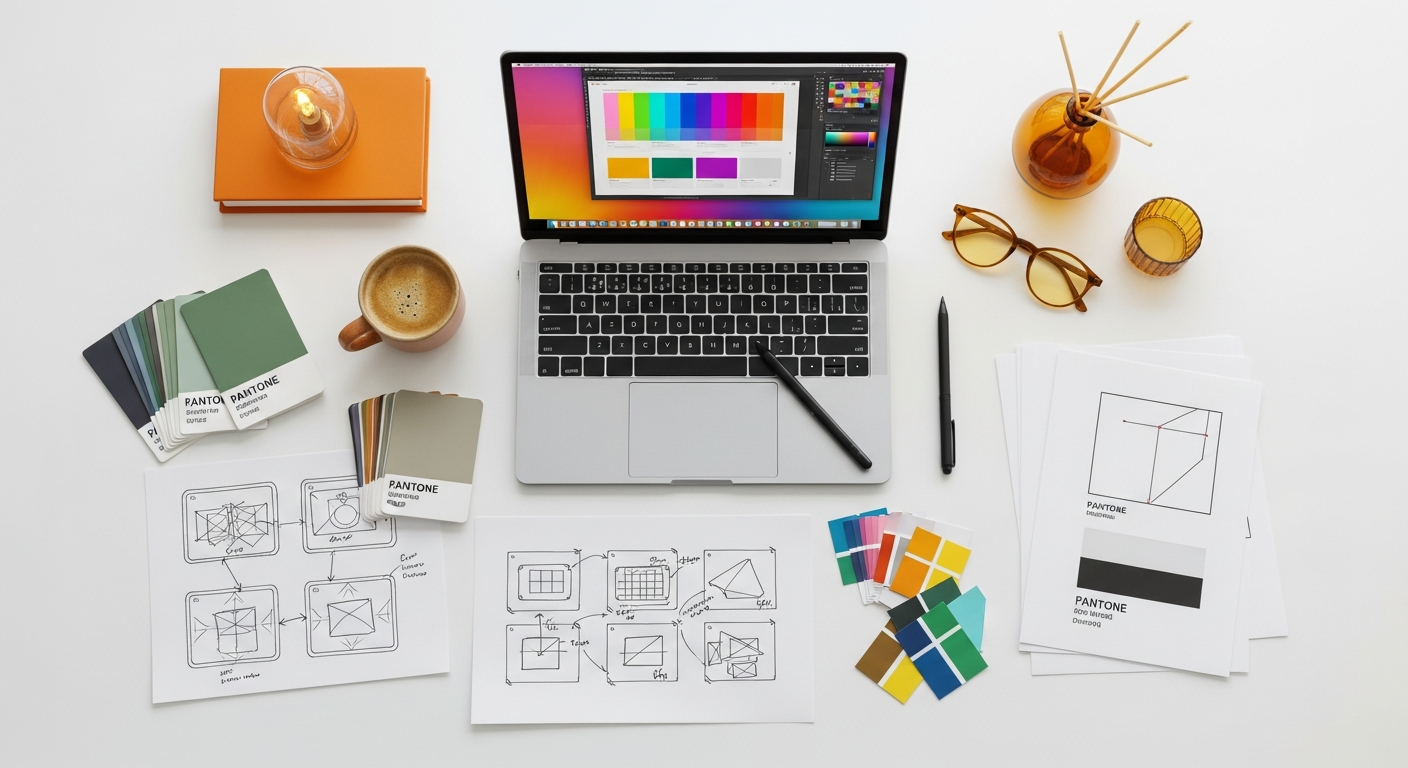
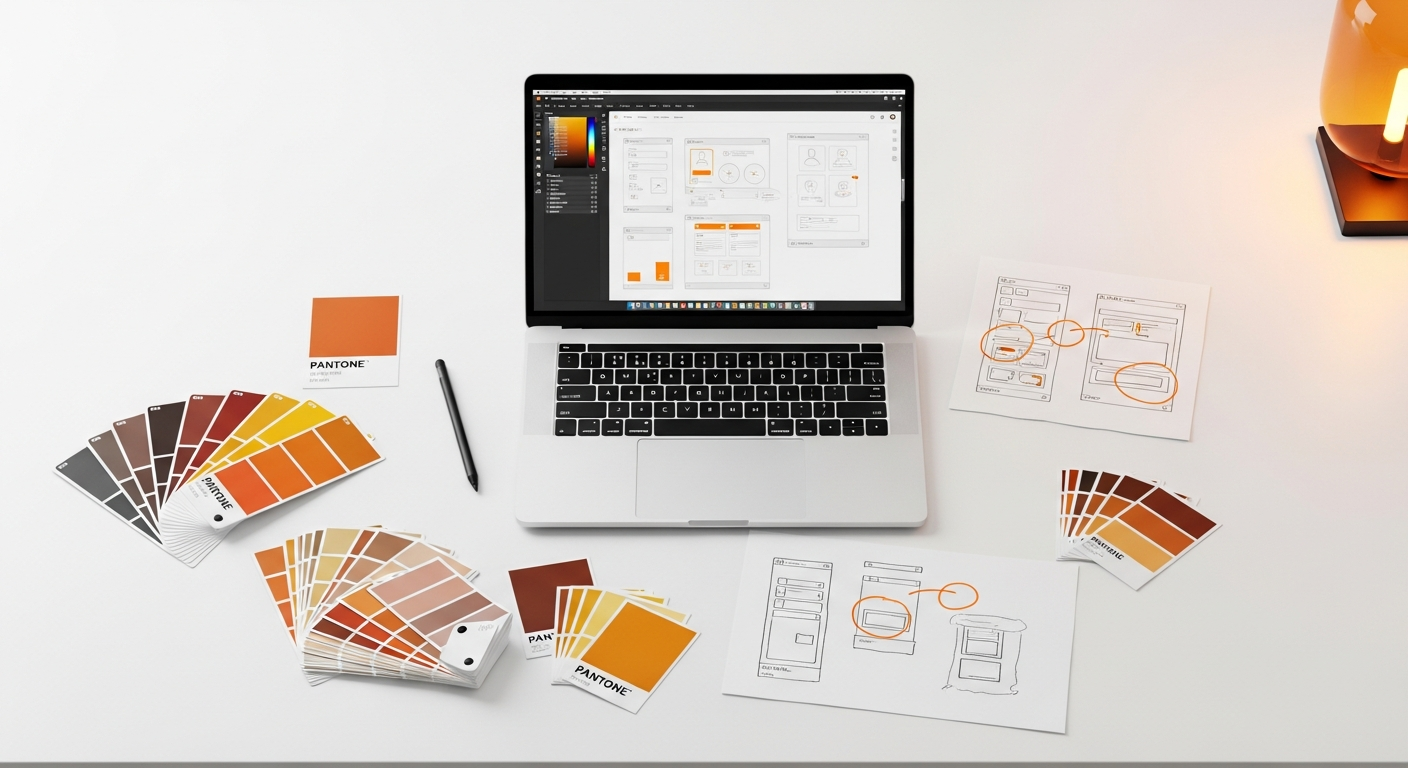
  • Visual Inspiration (Mood Boards): Create a mood board. This can be digital (using tools like Pinterest or Milanote) or physical (tear sheets from magazines, fabric swatches, photographs). Collect images, typography samples, color palettes, textures, and graphic styles that evoke the desired mood and communicate the essence of your message. Your mood board isn’t just about aesthetics; it’s about the overall sensory experience you want your poster to convey.
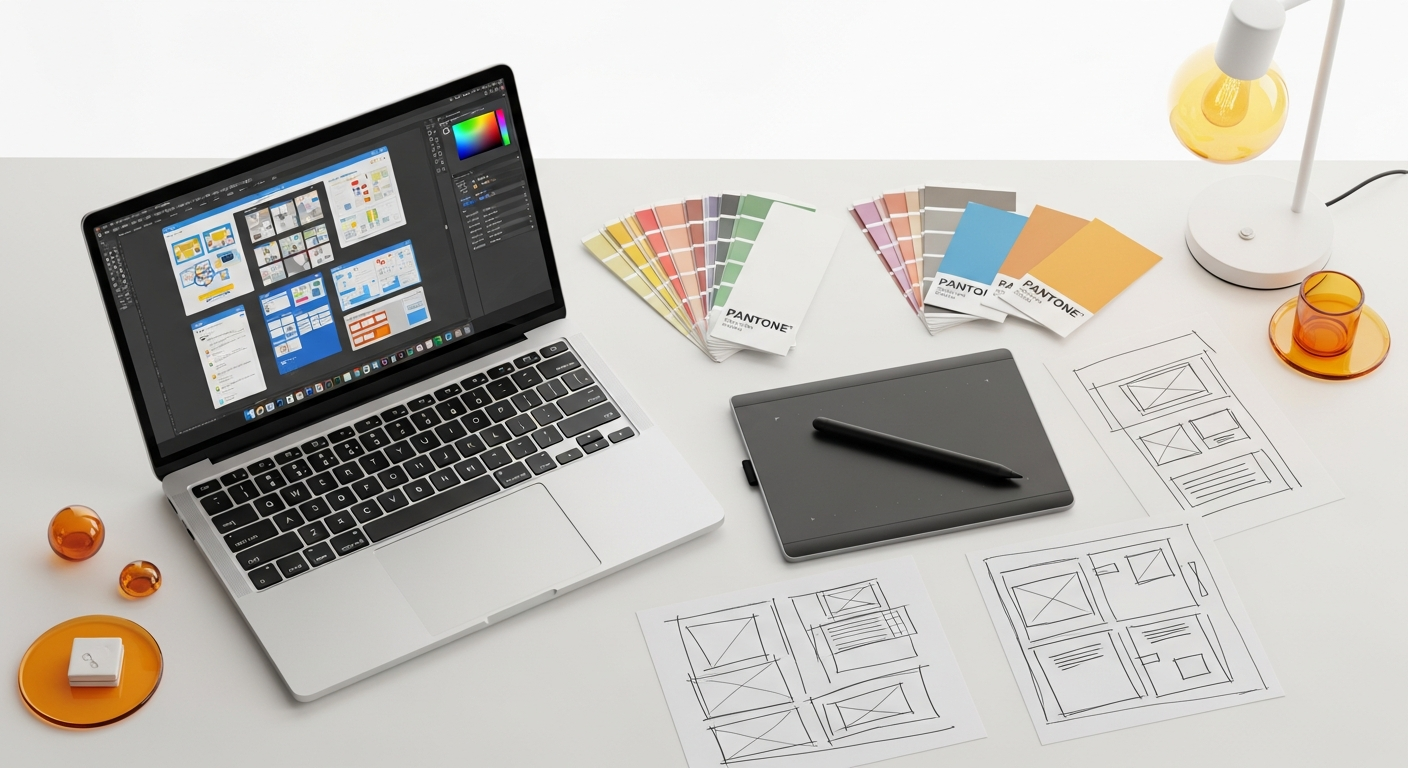
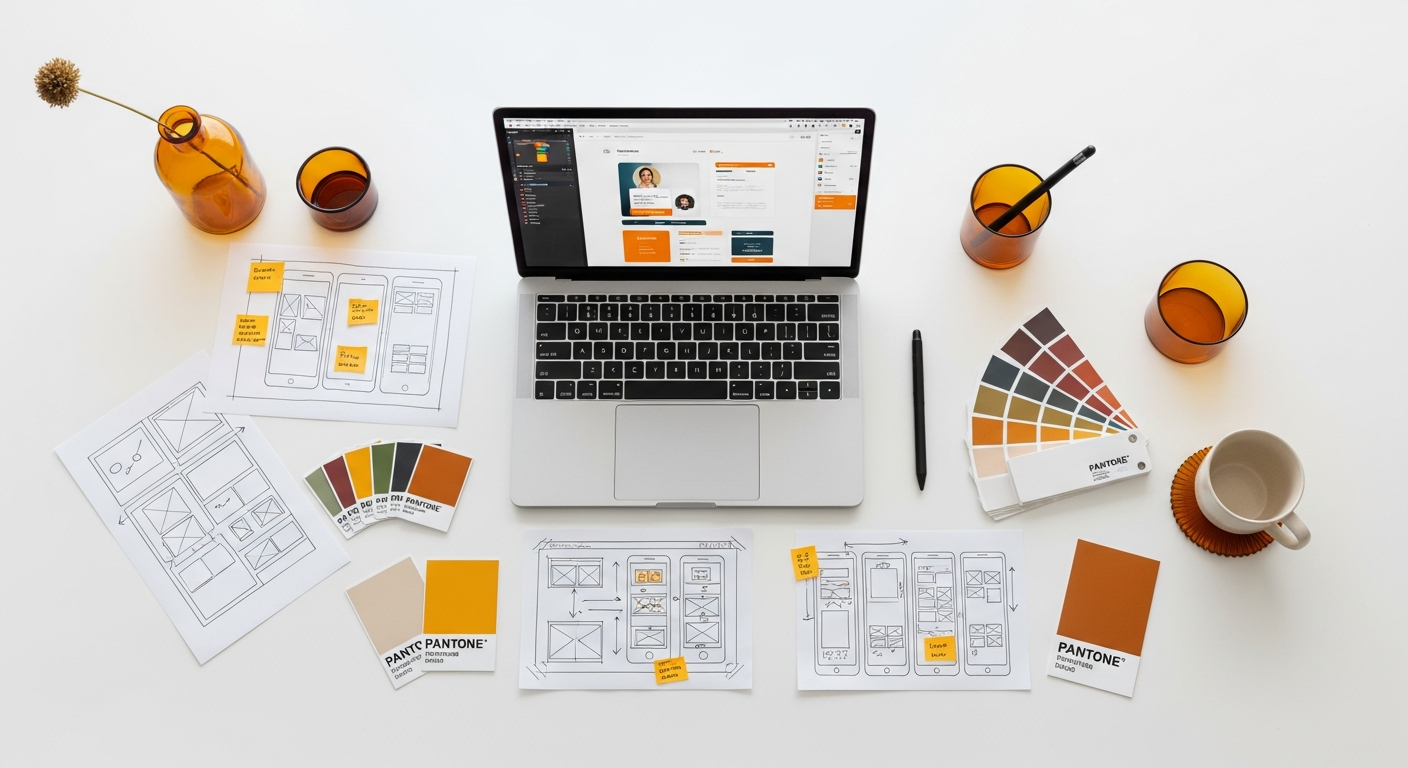
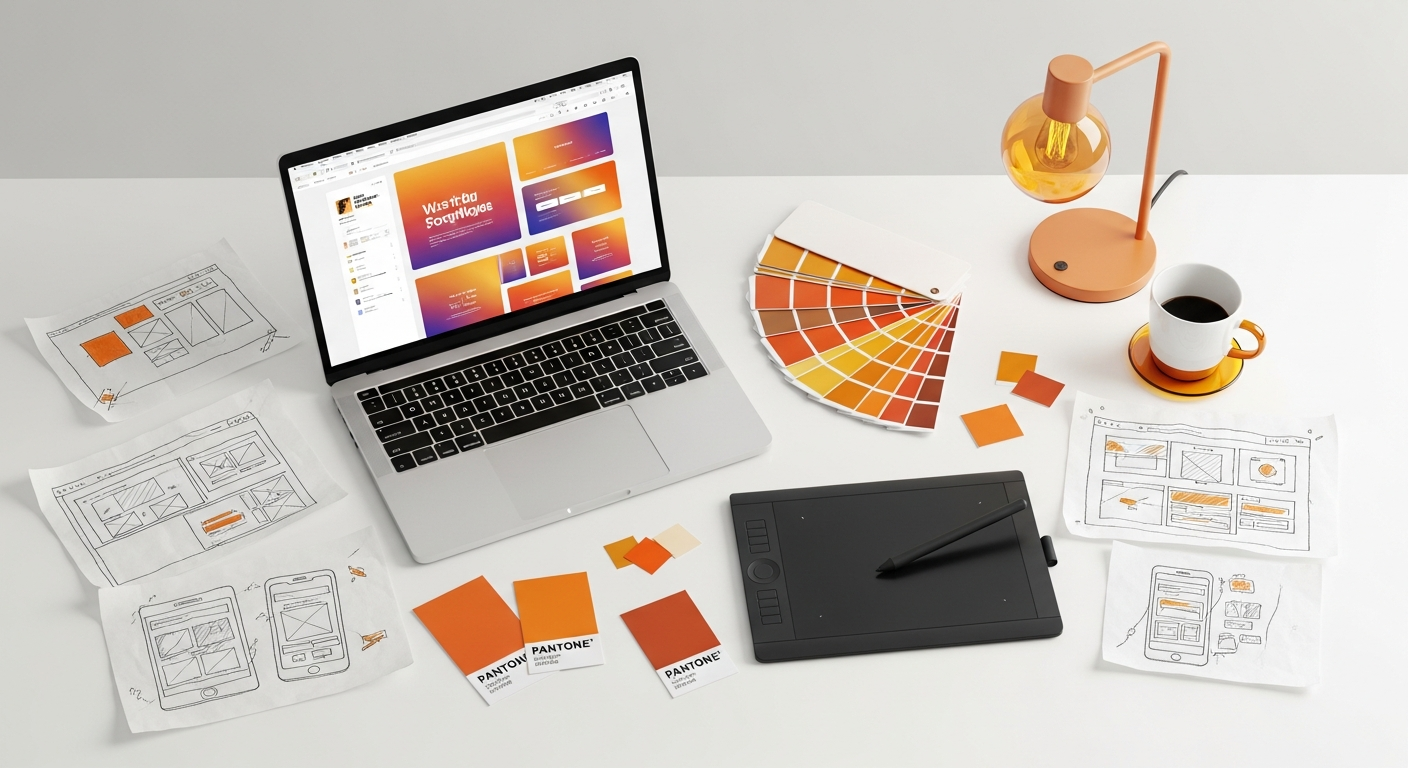
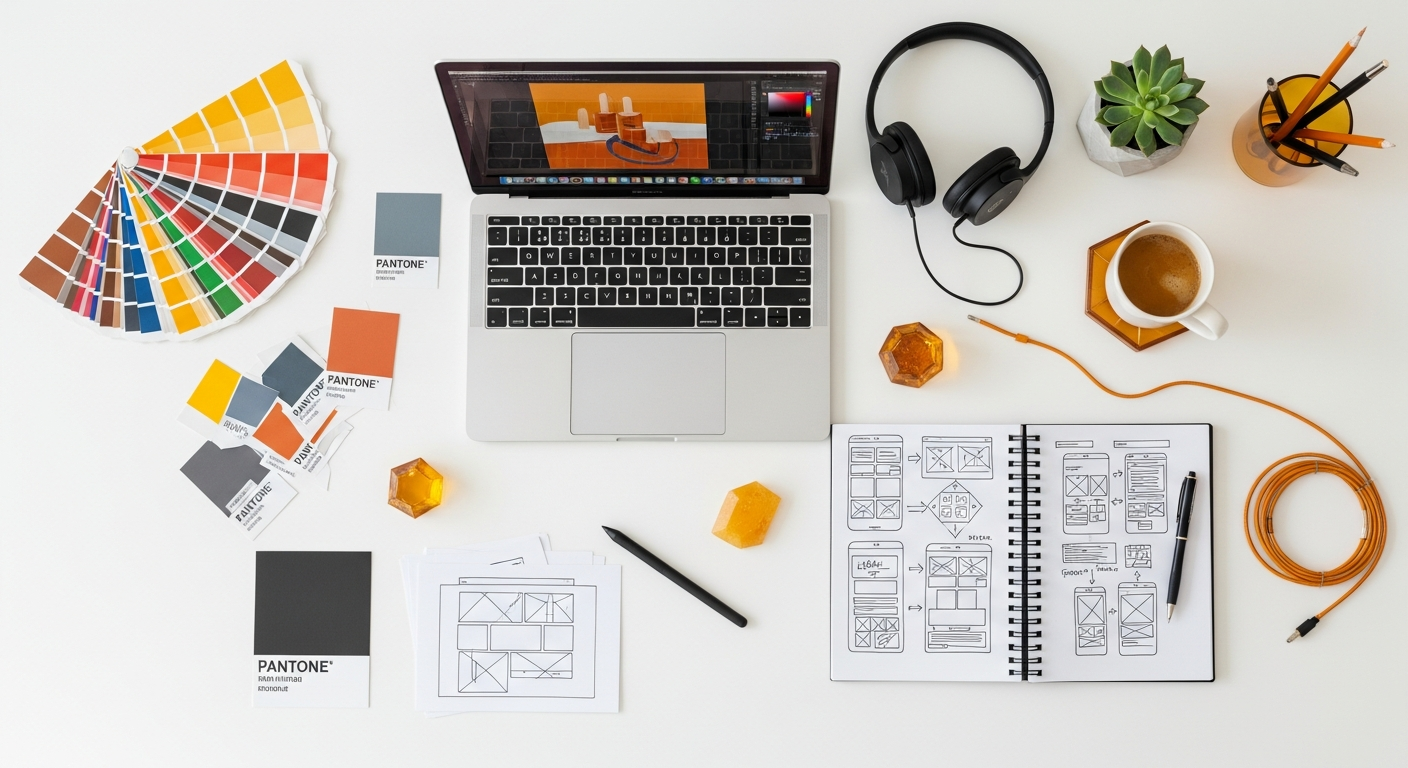
  • Sketching Thumbnails: Before touching any design software, grab a pen and paper. Sketching small, rough thumbnails allows you to quickly explore various layout ideas, typographic arrangements, and focal points without getting bogged down in intricate details. Focus on overall composition, hierarchy, and the balance of elements.

This exploratory phase is crucial for developing a unique visual language and ensuring your design is fresh, relevant, and impactful, setting the stage for a truly original piece.

3. Crafting Your Core Visual Elements: The Building Blocks of Impact

🎨 Design Insight

Now, let’s translate your research and inspiration into concrete design elements. This is where the magic of graphic design truly comes alive, meticulously crafting each component to work harmoniously and communicate effectively.

Typography: Voice and Legibility

Typography is often the most critical element in poster design, carrying much of the message. Choose typefaces that reflect the poster’s mood and are highly legible, even from a distance. Establish a clear typographic hierarchy:

  • Headline: Large, bold, and attention-grabbing. It should be readable in a blink.
  • Sub-headline/Key Information: Supports the headline, provides immediate context without overwhelming.
  • Body Text/Details: Smaller, highly readable for essential information like dates, times, or website URLs.

Consider font pairings – contrasting a strong sans-serif with an elegant serif, or a modern geometric with a humanist script – to create visual interest and clear distinction. Pay attention to kerning (spacing between letters), leading (spacing between lines), and tracking (overall letter spacing) for optimal readability and aesthetic appeal.

Color Palette: Emotion and Branding

Color evokes emotion and can significantly influence how your message is perceived. Develop a palette that aligns with your brand, message, and target audience. Consider:

  • Primary Colors: Dominant hues that set the overall tone and capture initial attention.
  • Secondary Colors: Supporting colors that add depth, variation, and visual interest without competing.
  • Accent Colors: Used sparingly to draw attention to key elements or CTAs, creating a focal point.

Understand color psychology and ensure sufficient contrast for readability, especially between text and background. Remember that colors can appear differently in print versus on screen, so consider CMYK for print and RGB for digital displays.

Imagery and Visuals: The Focal Point

Whether it’s a compelling photograph, a unique illustration, relevant icons, or abstract graphics, your primary visual element will likely be the poster’s focal point. It should immediately communicate the essence of your message and capture attention.

  • Relevance: Ensure the image directly relates to your topic and reinforces the message.
  • Quality: Use high-resolution images to avoid pixelation and blurriness in print.
  • Composition: Utilize principles like the rule of thirds, leading lines, or negative space to guide the viewer’s eye.
  • Originality: Strive for unique visuals that stand out and avoid generic stock imagery when possible.

Layout and Composition: Structure and Flow

How you arrange all these elements on the page is crucial. A strong layout provides structure, guides the eye, and enhances comprehension. It’s about creating a visual narrative.

  • Hierarchy: Visually emphasize the most important information through size, color, and placement.
  • Balance: Achieve visual equilibrium, whether symmetrical for formality or asymmetrical for dynamism.
  • Proximity: Group related elements together to create logical visual units.
  • Repetition: Use consistent visual elements (colors, shapes, type styles) for unity and recognition.
  • White Space: Don’t overcrowd your poster. White space (or negative space) gives elements room to breathe, improving readability and impact.
  • Grids: Utilize a grid system for precision, consistency, and professional alignment, ensuring all elements are intentionally placed.

Think about the journey your viewer’s eye will take across the poster, typically starting from the top left and moving in a ‘Z’ or ‘F’ pattern, ensuring they absorb the key information efficiently.

4. Digital Execution, Iteration, and Refinement: Bringing Your Vision to Life

With a clear understanding of your elements and a few sketches in hand, it’s time to translate your vision into a digital format. This is where your chosen design software becomes your primary tool for precision and polish.

  • Choose Your Software: Industry standards like Adobe Illustrator (ideal for vector graphics and clean typography), Adobe Photoshop (for raster images and photo manipulation), or Adobe InDesign (excellent for text-heavy layouts and print preparation) are excellent choices. Alternatively, powerful tools like Affinity Designer, Figma, or Canva can also be highly effective depending on your experience and project complexity.
  • Set Up Your Canvas: Begin by setting up your document with the correct dimensions (including bleed for print), a resolution of at least 300 DPI (dots per inch) for print quality, and the appropriate color mode (CMYK for print).
  • Block Out Your Layout: Start by placing your main elements – headline, primary image, and call to action – according to your thumbnail sketches. Focus on establishing the overall composition and hierarchy first, rather than getting bogged down in fine details. Think big picture before perfecting the small.
  • Iterate and Experiment: Don’t settle for your first attempt. Create several variations of your design. Experiment with different font pairings, color combinations, image treatments, and layout options. A/B testing different concepts can be incredibly insightful for determining what resonates most.
  • Refine Details: Once you have a strong concept, zoom in and perfect the details. Adjust kerning, ensure consistent spacing, refine color values, and check image quality. Small adjustments to alignment, sizing, and contrast can make a significant difference in the final polish and professionalism of your poster.
  • Simplicity is Key: Remember that posters are often viewed quickly and from a distance. Avoid clutter. Every element should have a deliberate purpose. If it doesn’t contribute to the message or visual appeal, consider removing it to enhance clarity and impact.

This iterative process allows for flexibility and ensures you explore the best possible solutions before finalizing your design, leading to a truly refined and effective poster.

5. Feedback, Testing, and Print Preparation: The Final Polish

You’re almost there! Before sending your poster to the printer or launching it digitally, it’s crucial to get fresh eyes on your work and meticulously prepare it for its final destination, ensuring it looks exactly as intended.

  • Seek Constructive Feedback: Share your design with peers, mentors, or even a small group from your target audience. Ask specific, open-ended questions: Is the message clear? Is the call to action obvious? What emotions does it evoke? Is anything confusing? Be open to critique, as it often reveals blind spots and areas for improvement.
  • Test Readability and Impact: Print out a proof of your poster, even a small version, and place it at a distance. Can you read the headline quickly? Is the key information legible? Does it stand out effectively? This real-world test is invaluable. Also, meticulously proofread for any typos or grammatical errors – they can undermine credibility.
  • Pre-Press Checklist (for Print): This is critical for a smooth printing process.
    • Bleed: Ensure you have added sufficient bleed (usually 0.125 inches or 3mm) around the edges of your design. This prevents unsightly white edges if the paper shifts slightly during trimming.
    • Crop Marks: Include crop marks for your printer to accurately trim the poster to its final size.
    • Color Mode: Confirm your document is in CMYK color mode. RGB is for screens; CMYK is for print and ensures accurate color reproduction.
    • Resolution: Verify all images are 300 DPI (dots per inch) at their final print size. Lower resolutions will result in pixelated or blurry output.
    • Fonts: Embed all fonts in your file or, even safer, convert all text to outlines (paths). This avoids font substitution issues if the printer doesn’t have your specific fonts.
    • File Format: Save your final file as a print-ready PDF (PDF/X-1a:2001 is a common industry standard) or as specified by your printer.
  • Digital Optimization (for Web/Social): If the poster will also live online, create optimized versions with lower resolution (72 DPI) and in RGB color mode for faster loading and vibrant screen display across various digital platforms.

This final stage ensures your design is technically sound, visually effective, and ready to make its intended impact, whether it’s gracing a wall or a digital screen.

Designing a poster from scratch is an exhilarating journey that blends strategy, creativity, and technical skill. By meticulously defining your purpose, drawing inspiration, crafting compelling visual elements, iterating through the design process, and rigorously preparing for its final output, you can create posters that not only capture attention but also effectively communicate and resonate with your audience. Remember, every blank canvas holds the potential for a powerful story – go forth and tell yours with confidence and creativity!