How To Build A Graphic Design Portfolio | Layout Scene


How To Build A Graphic Design Portfolio

In the vibrant, ever-evolving world of design, your portfolio isn’t just a collection of projects – it’s your visual voice, your professional calling card, and often, the gateway to your next big opportunity. For graphic designers, students, and creatives alike, a compelling portfolio is absolutely essential. It’s where your unique aesthetic shines, your problem-solving prowess is evident, and your potential clients or employers get a tangible sense of what you bring to the table. But how do you craft a portfolio that truly stands out in a crowded creative landscape? Let’s dive deep into building a graphic design portfolio that captivates and converts.

Define Your Narrative and Target Audience

Before you even begin curating projects, take a moment to reflect. What story do you want your portfolio to tell? Are you aiming for a corporate branding role, a UX/UI design position, a freelance illustrator, or something in between? Understanding your career aspirations is the first, crucial step in tailoring your portfolio.

  • Identify Your Niche: Are you passionate about typography, brand identity, web design, editorial layout, or motion graphics? While versatility is great, showcasing a clear focus can make you more memorable.
  • Who Are You Trying to Reach? Think about the type of client or employer you want to attract. A startup founder might look for different qualities than a large agency creative director. Tailoring your work and presentation to resonate with this audience is key.
  • Craft Your Personal Brand: Your portfolio itself is a design project. Ensure its aesthetic, typography, and overall tone reflect your personal brand and the quality of work you produce. Consistency here is paramount.

Once you have a clear vision of your narrative and audience, selecting and presenting your projects becomes a much more focused and effective exercise.

Curate Your Best Work (Quality Over Quantity)

This is perhaps the most critical advice: resist the urge to include every single design you’ve ever created. A strong portfolio is a highly curated selection of your absolute best, most relevant work. Think of yourself as an art curator – you’re showcasing masterpieces, not a retrospective of everything. Aim for 8-12 strong projects, especially if you’re just starting out.

  • Showcase Diverse Skills (Strategically): While focusing on a niche is good, demonstrating a range of skills within that niche or showing how your skills can be applied to different mediums is even better. For example, if you’re a branding specialist, show a logo, a brand guide, and an application of the brand across print and digital.
  • Focus on Finished Projects: Polished, complete projects are always more impactful than unfinished concepts. If you have fantastic conceptual work, ensure it’s presented with the same level of professionalism as a client project.
  • Include Personal Projects: Don’t underestimate the power of self-initiated projects. They demonstrate initiative, passion, and often showcase your true aesthetic without client constraints. Did you redesign a local coffee shop’s branding? Or create a speculative campaign for a product you love? Include it!
  • Update Regularly: Your portfolio is a living document. As your skills grow and your style evolves, replace older pieces with newer, stronger ones.

Remember, a potential client or employer will often only spend a few minutes reviewing your portfolio. Make those minutes count by presenting nothing less than your absolute peak performance.

Present Your Projects with Context and Process

🎨 Design Insight

Simply displaying images of your work is not enough. Designers are problem-solvers, and your portfolio should communicate that effectively. Each project needs a story, explaining the ‘why’ behind your design choices, not just the ‘what’.
  • Project Overview: Start each project with a concise summary. What was the client’s challenge or goal? What was your role? What were the project constraints?
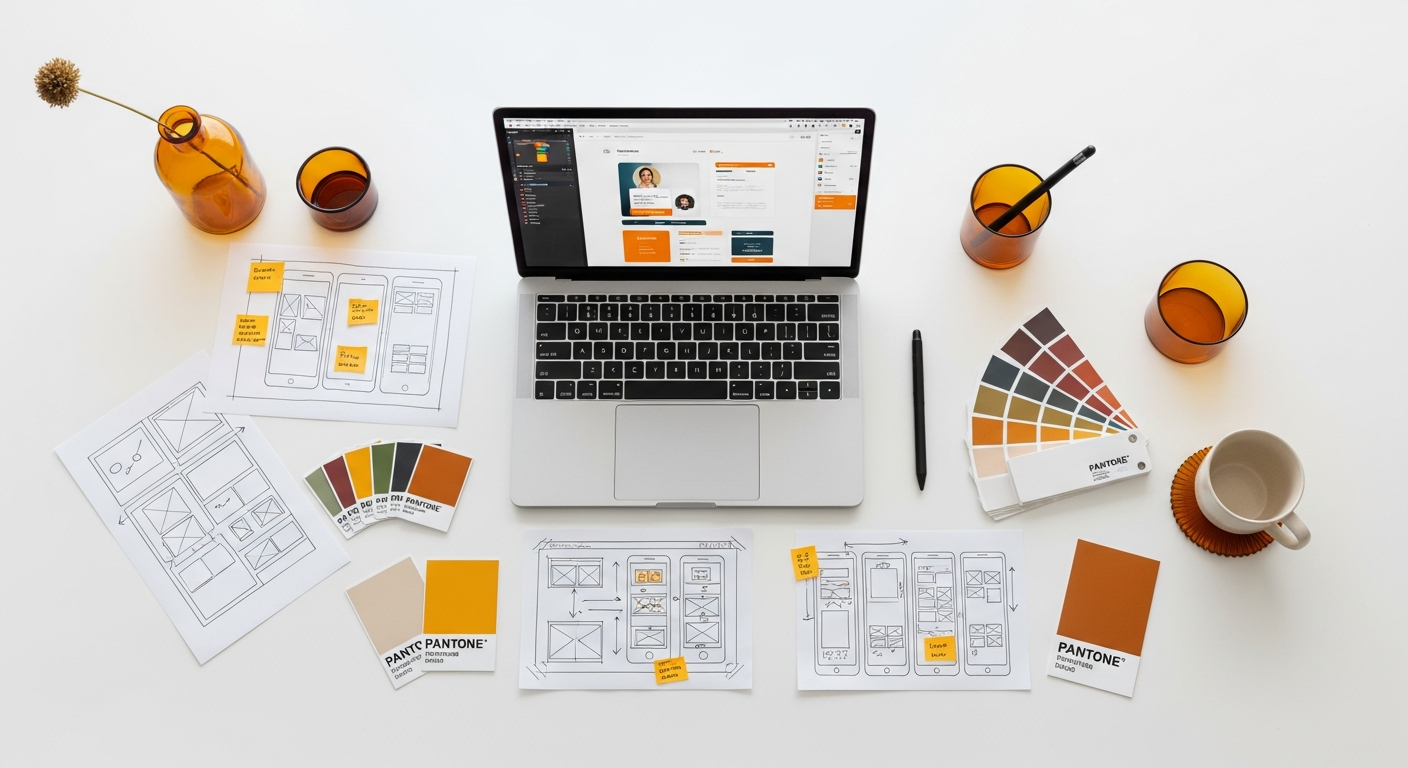
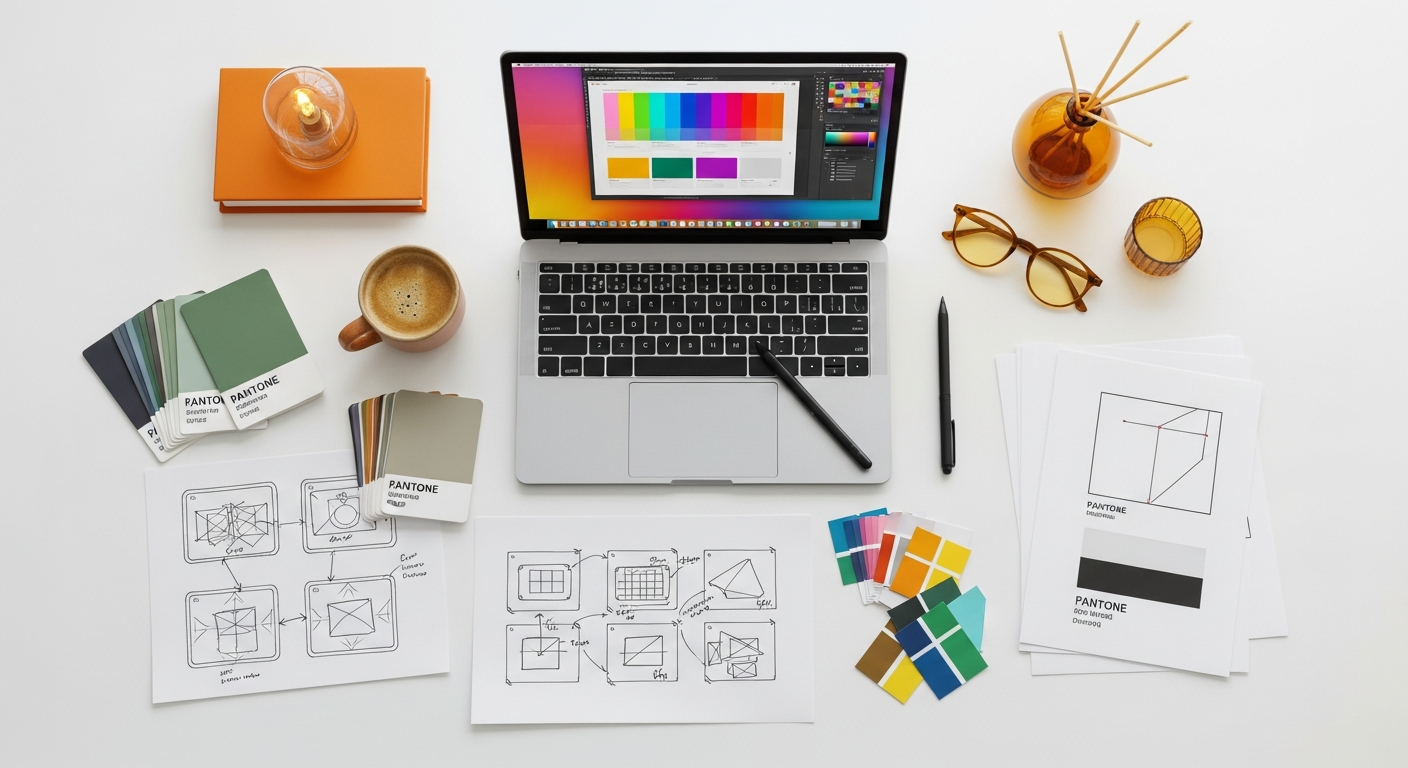
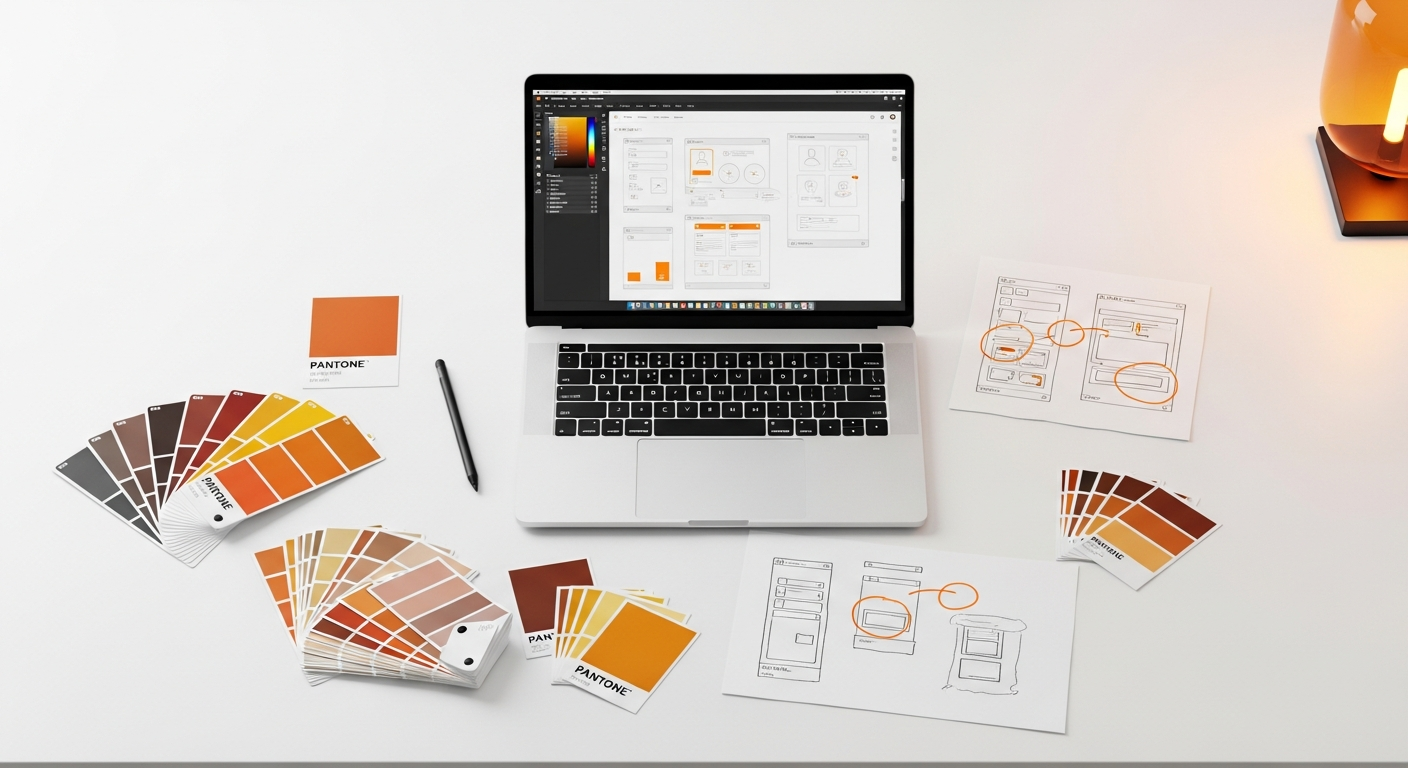
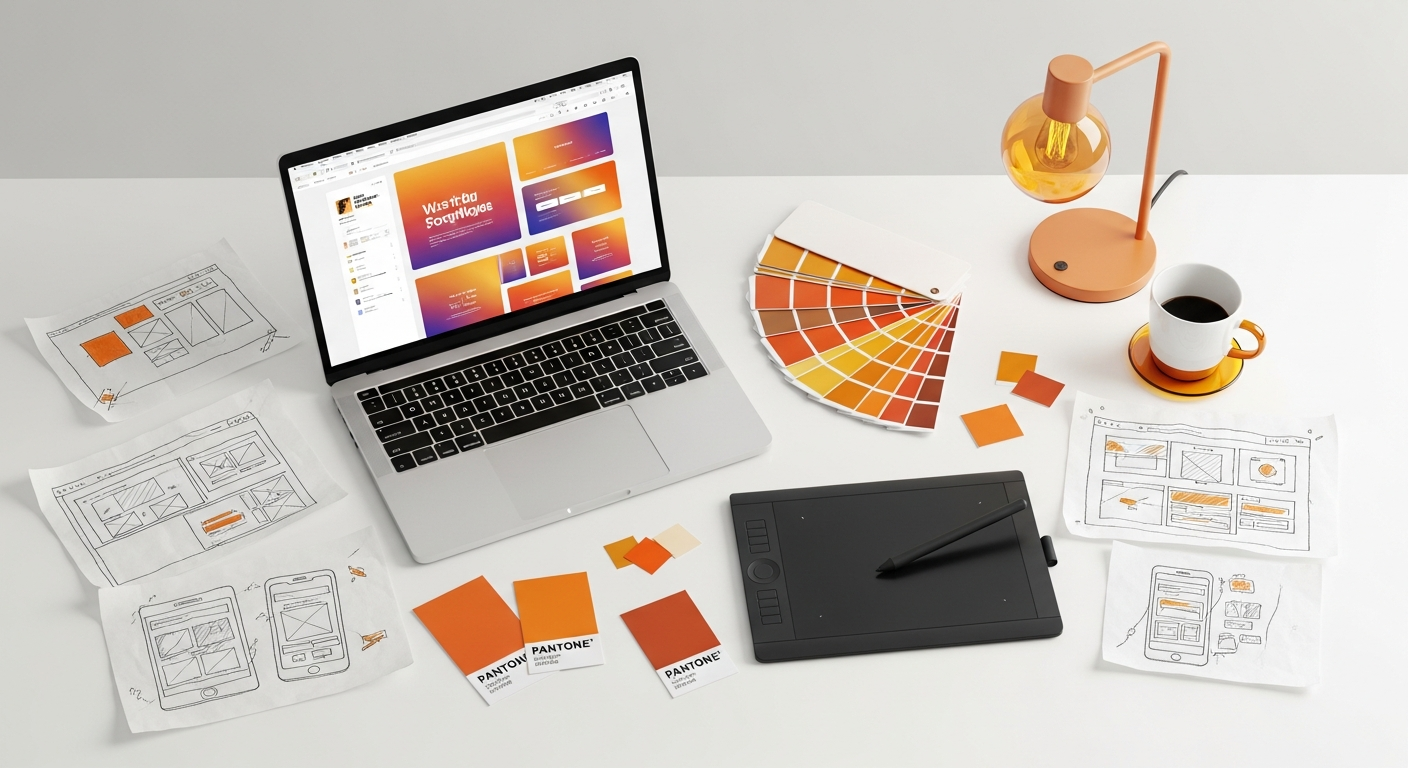
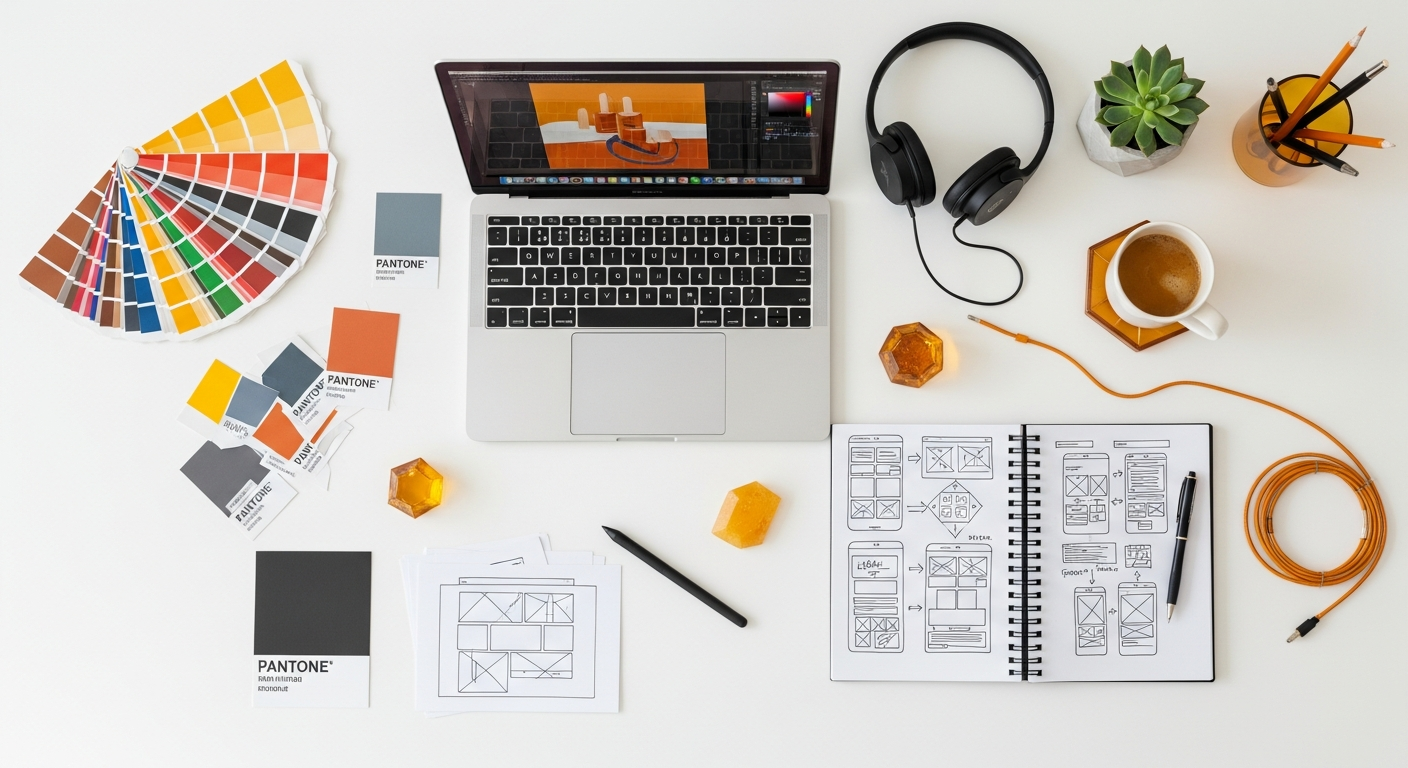
  • Show Your Process: Don’t be afraid to pull back the curtain! Include sketches, wireframes, mood boards, color palette explorations, and alternative concepts. This demonstrates your thought process, your ability to iterate, and your understanding of design principles. Even a few key images of process can speak volumes.
  • Explain Your Decisions: For each key design element, briefly explain why you chose that particular typeface, color scheme, layout, or image. Connect your decisions back to the initial problem or client goals.
  • Highlight Outcomes/Results: If possible, quantify the success of your project. Did a new website design increase conversion rates? Did a branding campaign boost social media engagement? Data can be incredibly compelling.
  • Professional Mockups: Present your work beautifully using realistic mockups. Seeing a logo on a business card or a website on a screen makes the design feel tangible and professional. Be judicious; don’t let the mockup overshadow the design itself.

Prospective clients and employers want to see not just beautiful aesthetics, but strategic thinking and a clear understanding of the design process. Showing your work in context elevates it from mere art to effective communication.

Choose the Right Platform for Your Online Portfolio

In today’s digital age, an online portfolio is non-negotiable. It serves as your 24/7 accessible storefront. Selecting the right platform depends on your technical comfort, budget, and the level of customization you desire.

  • Dedicated Portfolio Websites: Platforms like Adobe Portfolio (included with Creative Cloud), Squarespace, and Carbonmade offer user-friendly templates designed specifically for creatives. They make it easy to upload high-resolution images and create a professional-looking site without coding.
  • Behance & Dribbble: These community-driven platforms are excellent for visibility and networking. While they can serve as a primary portfolio, many designers use them as supplementary channels to showcase snippets of work or works-in-progress, linking back to their main site for full project details.
  • Personal Website (WordPress/Custom Coded): For those with more technical skills or a desire for ultimate control, building a custom website using WordPress or coding it from scratch offers unparalleled flexibility. This allows you to integrate a blog, advanced SEO, and unique interactive elements.
  • PDF Portfolio: While not ideal as a primary online presence, a well-designed PDF portfolio is excellent for quick sharing, email attachments, or presenting in person. Ensure it’s optimized for file size.

Whichever platform you choose, ensure it is mobile-responsive, loads quickly, and is easy to navigate. A smooth user experience reflects positively on your design sensibilities.

Refine, Optimize, and Promote Your Portfolio

Building your portfolio is an ongoing process. Once it’s launched, the work isn’t over. Continuous refinement, optimization, and strategic promotion will ensure it reaches the right eyes.

  • Get Feedback: Share your portfolio with peers, mentors, and even non-designers. Fresh eyes can spot errors, unclear explanations, or areas for improvement that you might have overlooked.
  • SEO Optimization: Just like this article, your portfolio needs to be discoverable. Use relevant keywords in your page titles, descriptions, image alt text, and project descriptions. For example, “Graphic Design Portfolio | [Your Name] | Branding & Web Design.”
  • High-Quality Imagery: Ensure all images are high-resolution but optimized for web load times. Blurry or pixelated images instantly detract from professionalism.
  • Proofread Meticulously: Typos and grammatical errors are major red flags. Proofread every single word, and then have someone else proofread it again.
  • Include a Clear Call to Action (CTA): Make it easy for people to contact you. Include a prominent “Contact Me” section, an email address, or a contact form.
  • Share Your Work: Don’t let your amazing portfolio sit in a vacuum! Share it on social media (LinkedIn, Instagram, X), design communities, and your email signature. Network, attend industry events, and be proud to show off your creations.

Your graphic design portfolio is a dynamic reflection of your journey and aspirations. By meticulously crafting its content, thoughtfully presenting your process, and strategically sharing it with the world, you’ll unlock doors to exciting new opportunities and forge a path toward your dream design career.

Building a powerful graphic design portfolio is a strategic endeavor that merges creativity with clear communication. Focus on telling your unique story, curating your best work with intention, revealing your thoughtful design process, selecting a platform that enhances your presentation, and continuously refining and promoting your efforts. Your portfolio is more than just images; it’s a testament to your skills, passion, and potential, making it an indispensable tool for every aspiring and established designer.