design onboarding flows guide 2026

Mastering First Impressions: Your Comprehensive Guide to Designing Onboarding Flows in 2026

The first impression of your product isn’t just a moment; it’s a meticulously crafted journey. In the fast-evolving digital landscape of 2026, an exceptional onboarding experience is no longer a luxury—it’s a critical differentiator, the cornerstone of user retention, and the catalyst for product adoption. As UI/UX designers, our mission is to guide users seamlessly from curiosity to capability, ensuring they grasp the value of our creations quickly and intuitively. This isn’t about lengthy tours; it’s about crafting a delightful, efficient, and personalized path to the “aha!” moment. This comprehensive guide, penned from years in the design trenches, will equip you with the strategies, tools, and insights to design onboarding flows that not only engage but empower your users, setting them up for long-term success with your product.

The “Why” Before the “How”: Understanding Modern Onboarding Imperatives

Before we dive into pixels and prototypes, let’s ground ourselves in why onboarding is more critical than ever. The digital world is saturated with options, and user attention spans are precious commodities. In 2026, users expect immediate value, intuitive experiences, and a clear path to achieving their goals.

* Retention is King: Studies consistently show that a significant percentage of users abandon an app or service after the first session if they don’t immediately understand its value or how to use it. Effective onboarding directly combats this early churn, turning curious visitors into engaged users.
* Activation is the Goal: Onboarding isn’t just about showing features; it’s about guiding users to perform key actions that demonstrate the product’s core value – the “aha!” moment. For a social app, it might be sending the first message; for a design tool, it could be completing the first project.
* Reduced Support Load: A well-designed onboarding flow pre-empts common user questions and frustrations, empowering users to self-serve and reducing the strain on your customer support team.
* Enhanced Perceived Value: A smooth, thoughtful onboarding experience communicates professionalism, attention to detail, and a deep understanding of user needs, significantly enhancing the perceived value of your product.

The days of generic, unskippable product tours are largely behind us. Modern onboarding is dynamic, personalized, and focused on getting users to their first success as quickly and painlessly as possible. It’s about empathy—understanding where your user is coming from, what they want to achieve, and how your product helps them do it.

Deconstructing the Onboarding Journey: Core Components & Types

design onboarding flows guide 2026

An onboarding flow isn’t a monolithic entity; it’s a sequence of interactions, each designed with a specific purpose. Understanding these components and the different approaches to onboarding is crucial for crafting an effective strategy.

Key Components of a Robust Onboarding Flow:

* Welcome Screens/Splash Screens: The very first visual impression. Sets the tone, reinforces branding, and often highlights a key value proposition or benefit.
* Value Proposition Reinforcement: Clearly articulates “what’s in it for me?” at key stages. This could be through concise headlines, compelling illustrations, or benefit-driven microcopy.
* Sign-up/Login: The gateway. Should be as frictionless as possible, offering clear paths (e.g., social login, email/password, SSO). Consider progressive sign-up where relevant.
Permissions Requests: For mobile apps, judiciously ask for necessary permissions (location, notifications, camera) when they are needed and explain why*. Context is everything.
* Personalization/Setup: Prompts that allow users to tailor their experience (e.g., choose interests, set preferences, define roles). This makes the product immediately relevant.
* Progress Indicators: Visual cues (progress bars, step counts) that show users how far along they are in a setup process, reducing anxiety and encouraging completion.
* Empty States: When a user first enters a feature with no data, these screens are opportunities to educate, inspire action, and provide a clear path forward (e.g., “No projects yet? Start your first one here!”).
* The “Aha!” Moment: The point where the user truly understands and experiences the core value of your product. All onboarding should lead here.
* Success States & Reinforcement: Acknowledging successful completion of onboarding or a key task, often with celebratory animations or positive feedback, encouraging continued engagement.

Types of Onboarding Approaches:

Product Tours (Contextual): Instead of a linear, forced tour, contextual product tours offer tooltips, hotspots, or coach marks that appear as the user interacts* with specific features for the first time. Think Slack’s helpful pop-ups when you first discover a new feature.
* Progressive Onboarding: Reveals features and functionalities gradually as the user demonstrates competence or needs them. This prevents information overload for complex products. Figma’s initial guided tour of core tools is a good example.
* Personalized Setup Wizards: Guides users through a series of questions to configure their account or preferences, leading to a tailored initial experience. Airbnb’s host setup flow is a masterclass in this.
* Feature-Driven Onboarding: Focuses on getting the user to experience a specific, high-value feature immediately. This is common in single-purpose apps.
* Empty States as Onboarding: Leveraging the initial blank canvases within your product to educate, suggest next steps, and inspire action.

When planning, visualize these components and approaches using tools like Miro or FigJam for collaborative brainstorming and user journey mapping. Storyboarding the user’s emotional and functional journey helps identify potential friction points before you even open your design tool.

The Blueprint: A Step-by-Step Design Process for Onboarding Flows

Designing an effective onboarding flow isn’t a single task; it’s an iterative process rooted in user understanding and continuous refinement. Here’s a structured approach that senior designers swear by.

Step 1: Research & Define Your User & Product Goals

Every great design starts with understanding.
* User Research: Who are your users? What are their motivations, pain points, technical proficiency, and existing mental models? Develop detailed user personas. Conduct interviews and surveys. What tasks are they trying to accomplish with your product? What problems are they trying to solve?
* Product Goals: What specific actions do you want users to take during onboarding? What defines “activation” for your product? Quantify these goals (e.g., “increase activation rate by X%,” “reduce time to first successful project by Y minutes”).
* Competitor Analysis: Analyze how successful (and unsuccessful) competitors handle their onboarding. What can you learn from their approaches? What gaps can you fill?

Step 2: Map the Ideal User Journey & Identify “Aha!” Moments

With your research in hand, it’s time to visualize the ideal path.
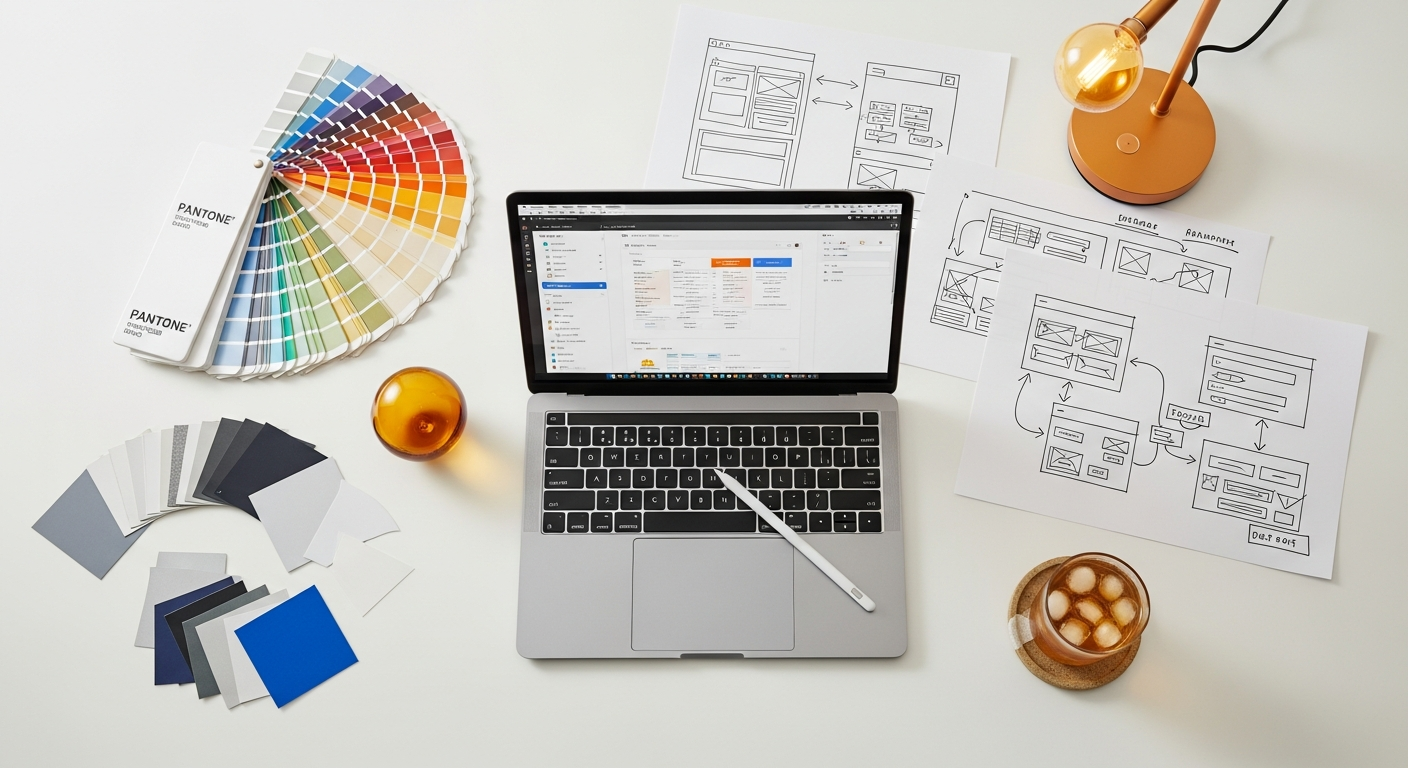
* Flowcharting: Use tools like Figma’s prototyping features, Lucidchart, or Miro to map out every screen, decision point, and interaction. This helps you see the entire flow, identify dead ends, and optimize paths.
* Identify “Aha!” Moments: Pinpoint the exact interaction or outcome that makes a user realize the product’s value. Design your flow to guide users to this moment as efficiently as possible. Sometimes there are multiple “mini-aha!” moments leading to a larger one.
* “Jobs to Be Done” Framework: Consider what “job” the user is hiring your product to do. Onboarding should quickly demonstrate how your product helps them accomplish that job.

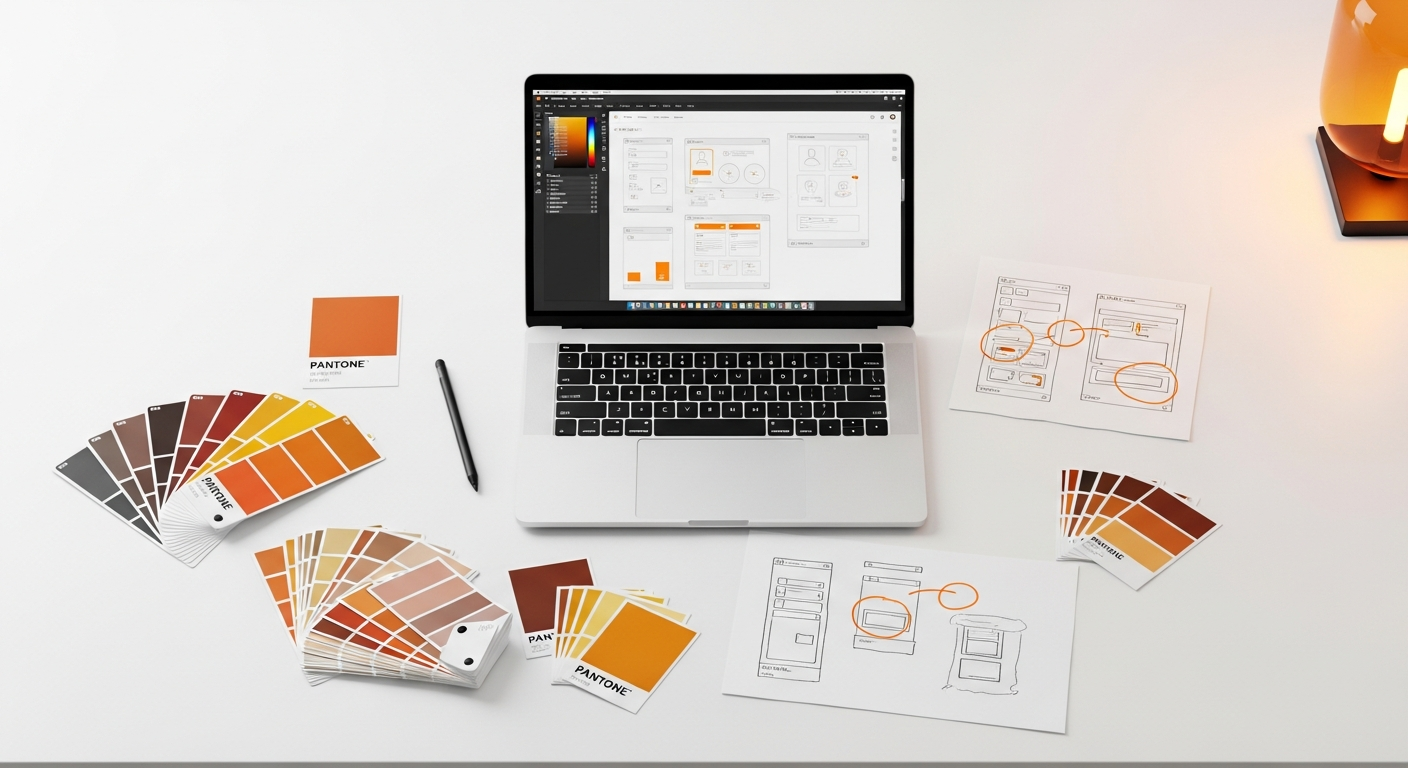
Step 3: Sketch, Wireframe, & Prototype with Purpose

Now, translate your maps into tangible designs.
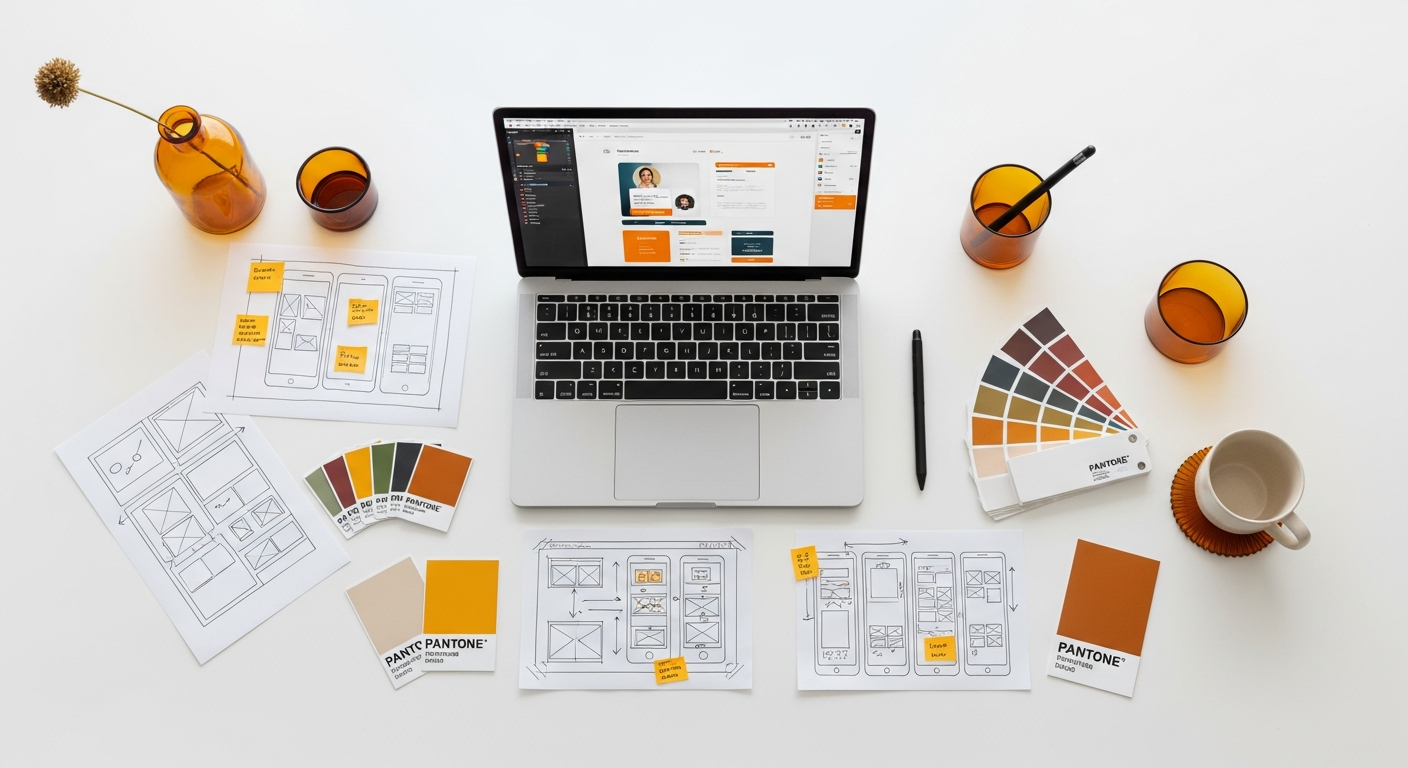
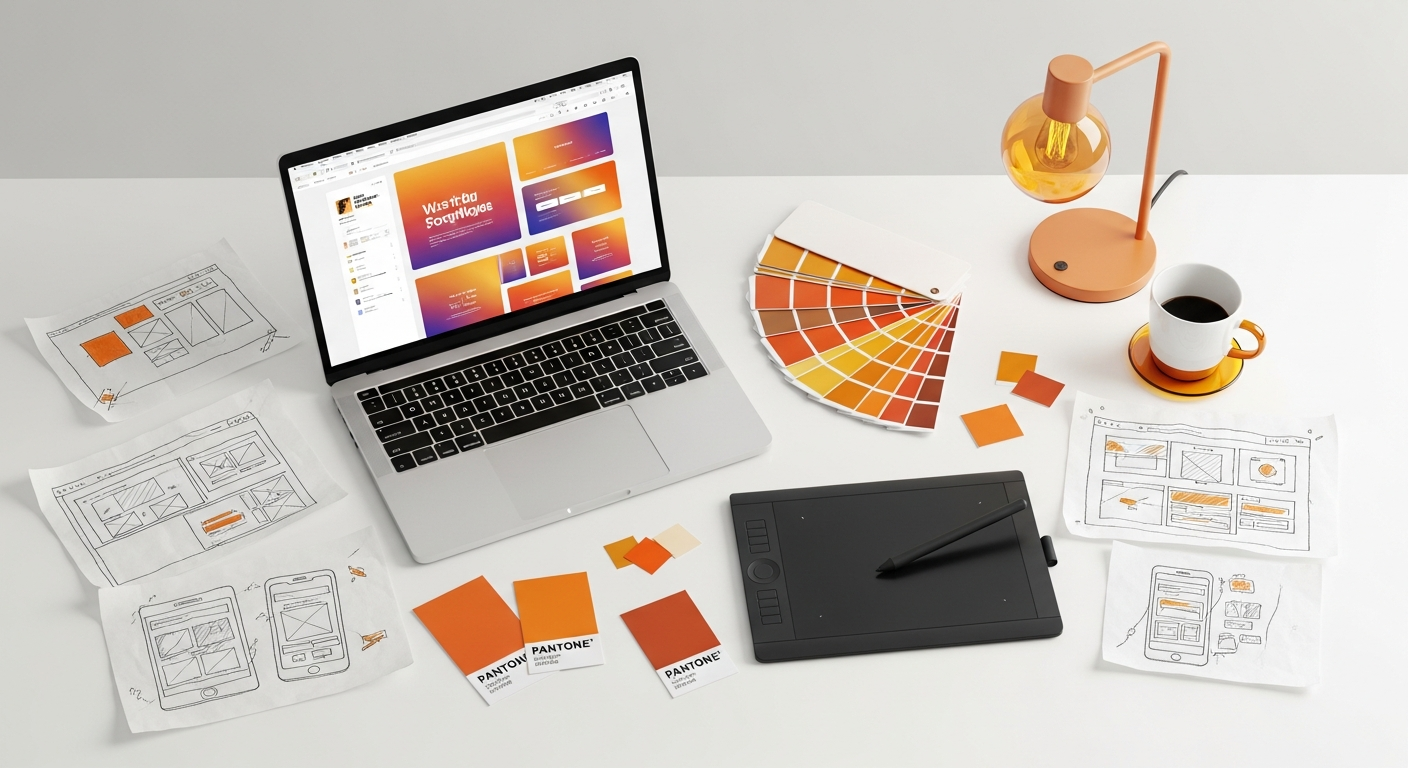
* Low-Fidelity Sketches: Grab a pen and paper or a digital whiteboard (like Excalidraw). Rapidly sketch out different screen layouts and interaction patterns. Don’t worry about aesthetics; focus on structure and flow.
* Wireframing: Move to digital tools like Figma, Adobe XD, or Sketch. Create low-to-mid-fidelity wireframes that establish information hierarchy, layout, and core interactions. Focus on clarity and function.
* Prototyping: Bring your wireframes to life. Figma’s robust prototyping features, Adobe XD’s auto-animate, or even simple click-through prototypes allow you to simulate the user experience. Test the flow yourself. Does it feel intuitive? Are there unexpected hurdles? This is where you catch fundamental usability issues early. Remember the principle of progressive disclosure – only show what’s necessary at each step to avoid overwhelming the user.

Step 4: Craft Compelling UI & Microcopy

This is where the magic happens – bringing your flow to life with visual appeal and clear communication.
* Visual Design: Apply your brand’s visual language. Ensure high contrast, readable typography, and accessible color palettes (WCAG compliance is non-negotiable in 2026). Use illustrations and animations judiciously to guide attention, explain concepts, and add delight without distraction. Tools like Adobe Illustrator or LottieFiles can be invaluable here.
* Microcopy: This is often overlooked but incredibly powerful. Every button label, instruction, tooltip, and error message must be clear, concise, actionable, and aligned with your brand voice. Use encouraging language. Avoid jargon. For example, instead of “Configure Settings,” try “Personalize Your Experience.”
* Accessibility First: Design for everyone. Ensure screen reader compatibility, keyboard navigation, and clear focus states. Consider users with cognitive disabilities by keeping language simple and tasks straightforward.

Step 5: Test, Iterate, & Optimize Relentlessly

Your design isn’t finished until it’s been tested and proven effective.
* Usability Testing: Conduct both moderated and unmoderated usability tests with real users. Observe their interactions, listen to their feedback, and identify points of confusion or frustration. Tools like UserTesting.com or Maze can streamline this.
* A/B Testing: Once you have a working flow, consider A/B testing variations of screens, copy, or even entire sequences. Does a shorter flow perform better? Does different messaging resonate more?
* Analytics Monitoring: Integrate analytics tools (Google Analytics, Mixpanel, Amplitude) to track key metrics like completion rates, drop-off points, time to “aha!” moment, and feature adoption. These data points will inform continuous optimization. Onboarding is never truly “done”; it’s a living part of your product that evolves with user needs and product updates.

Best Practices & Advanced Strategies for 2026

design onboarding flows guide 2026

Staying ahead means embracing current trends and pushing the boundaries of user experience.

* Hyper-Personalization: Beyond basic setup, leverage AI and machine learning to dynamically adapt the onboarding experience based on user behavior, inferred needs, or even industry trends. Imagine an onboarding flow that changes based on whether a user is a “marketing manager” or a “freelance designer.”
* Contextual & Just-in-Time Onboarding: Avoid front-loading all information. Instead, provide guidance precisely when and where the user needs it. In-app tooltips that appear when a user hovers over a new icon, or a brief tutorial triggered the first time they enter an empty state. Slack and Duolingo are masters of this.
* Gamification Elements: Introduce progress bars, checklists, badges, or small rewards for completing onboarding steps. This taps into intrinsic motivation and makes the process feel less like a chore and more like an achievement. Duolingo’s entire learning experience is a testament to gamified onboarding.
* Ethical Design & Transparency: Build trust by being transparent about data usage and permissions. Avoid dark patterns that trick users into actions they didn’t intend. Give users control over their data and experience.
* Mobile-First, Always: For many products, the first interaction happens on a mobile device. Design for touch, small screens, and limited attention spans from the outset. Ensure tap targets are generous and information is digestible.
* Proactive Help & Support Integration: Provide easy access to help within the onboarding flow itself – a visible help icon, a link to FAQs, or even a chatbot. Don’t make users hunt for support if they get stuck.
* Video & Interactive Elements: Short, engaging video clips can quickly demonstrate complex features. Interactive elements that let users “try out” a feature within the onboarding flow can be incredibly effective.

Measuring Success: Metrics and Analytics for Onboarding

How do you know if your onboarding is working? By meticulously tracking key performance indicators (KPIs) and leveraging analytics tools.

* Activation Rate: The percentage of users who complete the onboarding flow and reach your defined “aha!” moment. This is arguably the most critical metric.
* Completion Rate: The percentage of users who complete the entire onboarding process.
* Drop-off Points: Identify exactly where users are abandoning your flow. This pinpoints specific screens or steps that need redesign.
* Time to Value (TTV): How long does it take for a new user to experience the core benefit of your product? Shorter TTV generally correlates with higher retention.
* Feature Adoption Rate: For products with multiple features, track which core features new users engage with after onboarding.
* Churn Rate Reduction: While a broader metric, a significant reduction in early-stage churn often indicates a successful onboarding experience.
* User Feedback: Don’t just rely on quantitative data. Implement in-app surveys or direct feedback mechanisms at the end of onboarding to gather qualitative insights.

Tools like Google Analytics, Mixpanel, and Amplitude allow you to set up event tracking for each step of your onboarding flow. Visualize these funnels to identify bottlenecks. Hotjar can provide heatmaps and session recordings to see exactly how users interact with your onboarding screens, offering invaluable context to your quantitative data.

Frequently Asked Questions

How long should an onboarding flow be?
The ideal length isn’t a fixed number of screens; it’s the minimum number of steps required for a user to reach their “aha!” moment and understand the product’s core value. For simple apps, it might be 2-3 screens. For complex tools, it could be more, but it should always feel efficient. Prioritize getting users to value quickly over explaining every single feature upfront. Contextual onboarding can extend the learning gradually.
Should I include a “Skip” button in my onboarding?
Generally, yes. While you want users to experience your carefully crafted flow, a “Skip” option respects user autonomy and caters to those who prefer to explore independently or are returning users. However, consider making the skip less prominent or offering it after a few initial, critical steps rather than immediately. If users are consistently skipping, it’s a sign your onboarding might be too long or not compelling enough.
What’s the biggest mistake designers make in onboarding?
The biggest mistake is designing an onboarding flow that focuses on features rather than user value and goals. Designers often fall into the trap of trying to explain every button and setting. Instead, focus on guiding the user to achieve their initial goal with your product and showing them why those features are beneficial, not just what they are.
How do I handle onboarding for complex products with many features?
For complex products, progressive onboarding and contextual guidance are your best friends. Don’t overwhelm users with everything at once. Focus on the core functionality that delivers initial value. Introduce advanced features gradually as users engage more deeply or when they explicitly need them. Use empty states, tooltips, and in-app tutorials triggered by specific actions rather than a linear, exhaustive tour.
When should I re-onboard users?
Re-onboarding is crucial in several scenarios: when introducing significant new features or a major product redesign, when a user has been inactive for a long period, or when a user upgrades their account to unlock new functionalities. These “mini-onboarding” flows should be concise, highlight the changes or new value, and allow users to quickly grasp what’s new without repeating the entire initial setup.