The Evolving Landscape of Graphic Design in 2026
The graphic design profession in 2026 stands at a fascinating crossroads, influenced by macro trends that are reshaping not just industries, but society itself. Digital transformation, which accelerated dramatically in recent years, continues its relentless pace, demanding that designers become adept at creating for an ever-expanding array of digital touchpoints. This isn’t just about designing for websites or mobile apps; it encompasses smart devices, augmented and virtual reality environments, and even the burgeoning metaverse. Global connectivity means that design solutions must often transcend cultural boundaries, requiring a heightened sense of empathy and universal understanding.
One of the most significant shifts is the increased demand for multi-skilled designers. The traditional silos between graphic design, UI/UX design, motion graphics, and even front-end development are blurring. Employers are increasingly seeking professionals who can navigate various stages of the design process, from initial conceptualization and user research to advanced prototyping and even basic implementation. This necessitates a proactive approach to continuous learning and skill development, ensuring designers remain versatile and adaptable in a rapidly changing job market.
Furthermore, the lines between physical and digital experiences are becoming increasingly intertwined. A brand’s identity is no longer solely defined by its logo or print materials but by its holistic presence across all touchpoints, whether it’s an interactive installation in a retail space, an AR filter on social media, or a carefully crafted user interface for a smart home device. Graphic designers are now challenged to think beyond static imagery, embracing dynamic content, interactive elements, and spatial considerations that were once the exclusive domain of architects or industrial designers. This holistic perspective is crucial for crafting cohesive and impactful brand narratives in 2026 and beyond.
Embracing Sustainability and Ethical Design
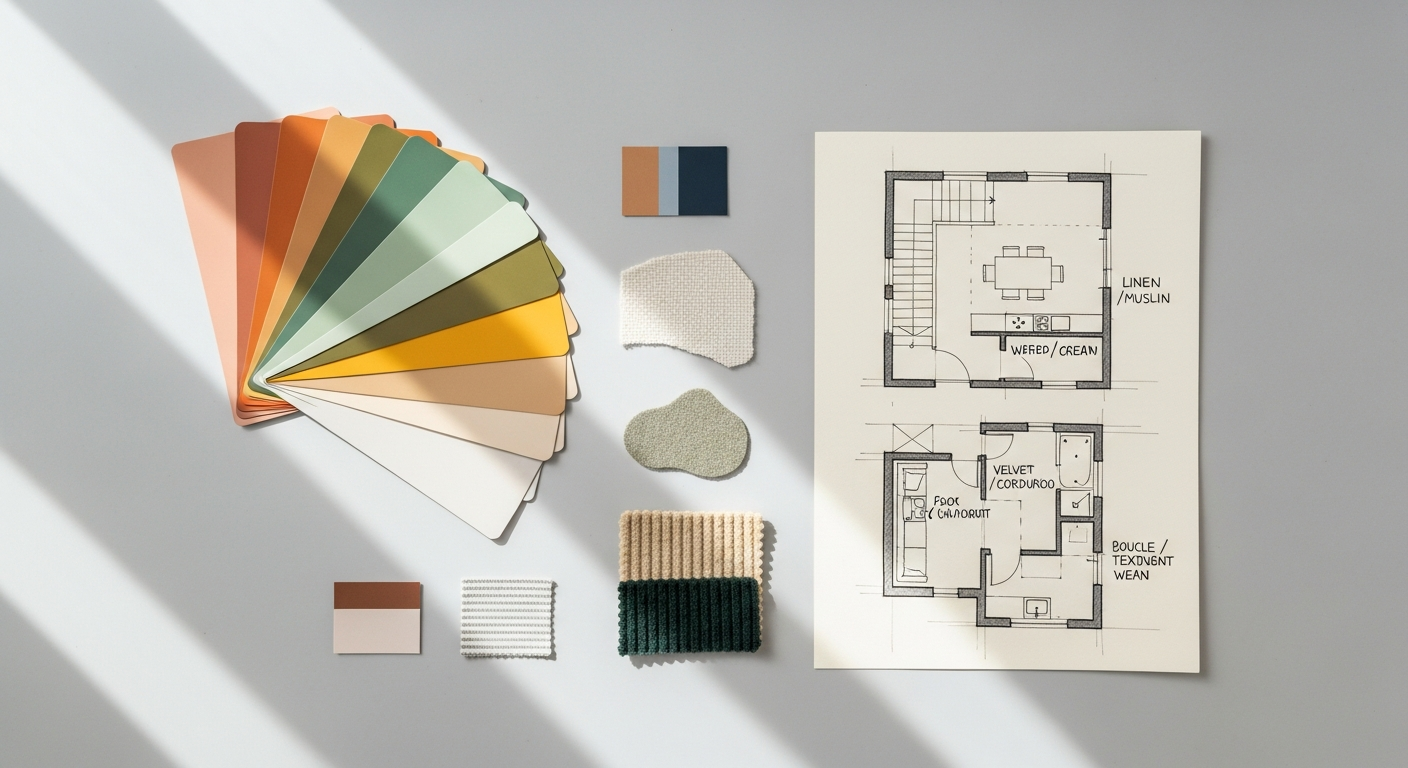
As global awareness of environmental and social issues intensifies, sustainability and ethical considerations are moving from optional add-ons to fundamental pillars of design practice in 2026. Graphic designers have a powerful role to play in shaping perceptions and influencing behaviors, and with this power comes a significant responsibility.
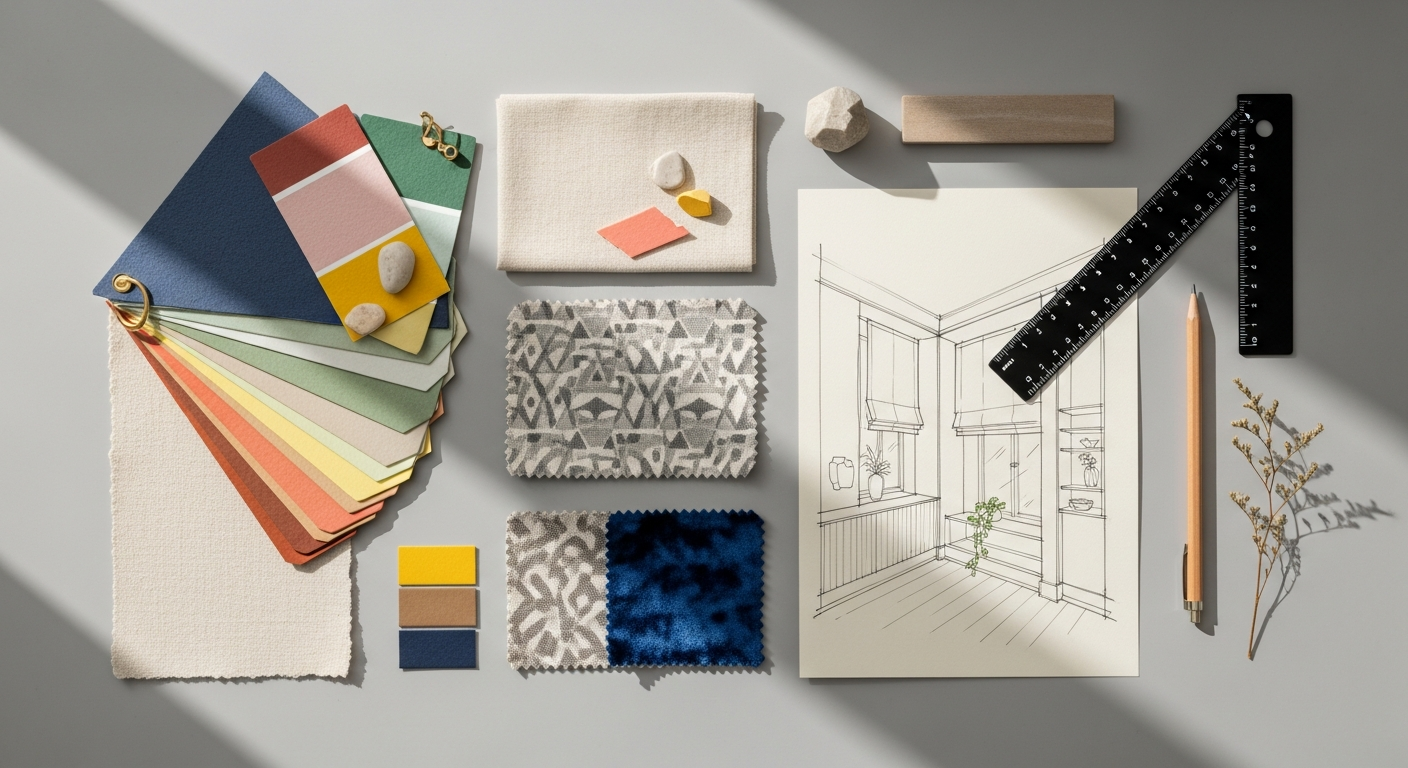
Eco-Conscious Aesthetics: Visually, this trend manifests in several ways. We’re seeing a resurgence of natural textures, earthy and muted color palettes, and biophilic design principles that draw inspiration from nature. Designs often incorporate organic shapes, imperfect forms, and a sense of rawness that reflects a move away from hyper-polished, artificial aesthetics. This aligns beautifully with interior design trends that prioritize natural materials and sustainable sourcing, demonstrating how design disciplines often mirror and influence one another.
Sustainable Practices: Beyond aesthetics, designers are increasingly concerned with the environmental footprint of their work. For digital design, this involves optimizing assets for smaller file sizes to reduce energy consumption during data transfer and storage, advocating for dark mode designs that save battery life on OLED screens, and designing efficient user flows that minimize cognitive load and wasted digital resources. In print design, the focus is on choosing recycled or sustainably sourced paper, using eco-friendly inks, and designing for minimal material waste. Designers are also becoming advocates, using their skills to communicate messages about sustainability, promote ethical brands, and encourage mindful consumption.
Ethical Considerations: The ethical dimension extends to inclusivity and accessibility. Designing with WCAG (Web Content Accessibility Guidelines) standards in mind is no longer a niche requirement but a fundamental expectation. This means ensuring legibility for all users, providing adequate color contrast, and designing intuitive interfaces that are navigable by individuals with diverse abilities. Furthermore, as AI-generated imagery becomes more prevalent, designers must grapple with issues of bias inherent in datasets and ensure that their creations promote diversity and avoid perpetuating harmful stereotypes. Transparent data usage and respecting user privacy are also paramount, requiring designers to think critically about how information is presented and consumed.
Technological Integration: AI, AR, and Beyond
AI as a Co-Creator: AI is no longer just a buzzword; it’s becoming a practical assistant and even a co-creator in the design process. Graphic designers will leverage AI tools for rapid concept generation, allowing them to explore hundreds of visual ideas in minutes. AI can assist with image manipulation, background removal, color palette generation, and even personalized content creation that adapts to individual user preferences. The key here is not to view AI as a replacement for human creativity but as an amplification tool. Designers who master prompt engineering – the art of effectively communicating with AI models – will unlock unprecedented efficiencies and creative possibilities, allowing them to focus on the higher-level strategic and conceptual aspects of their work.
Augmented Reality (AR) & Virtual Reality (VR): The rise of AR and VR platforms means graphic designers must increasingly design for immersive experiences. This includes creating interactive packaging that comes alive with a smartphone scan, designing virtual try-ons for fashion and beauty brands, developing engaging AR filters for social media, and crafting spatial designs for virtual showrooms or metaverse environments. These mediums demand a new understanding of depth, interaction, and user movement within a 3D space, pushing designers to think beyond 2D canvases. The ability to create assets that function seamlessly across physical and digital realities will be highly prized.
No-Code/Low-Code Platforms: The proliferation of no-code and low-code platforms is empowering graphic designers with greater control over the implementation phase of their projects. Tools that allow designers to build websites, apps, and interactive prototypes without extensive coding knowledge are blurring the lines between designer and developer. This enables designers to bring their visions to life with greater fidelity and speed, fostering a more iterative and experimental design process. It also means a deeper understanding of front-end principles and responsive design will become increasingly beneficial, if not essential.
Motion Graphics & Interactivity: Static imagery is increasingly giving way to dynamic, engaging content. Motion graphics, micro-interactions, and animated elements are crucial for capturing attention and enhancing user engagement across all digital platforms. Designers need to develop skills in animation software and understand principles of timing, easing, and visual storytelling through movement. The ability to create designs that are not just beautiful but also responsive and interactive will be a core competency for graphic designers in 2026.
User Experience (UX) at the Forefront: A Deep Dive
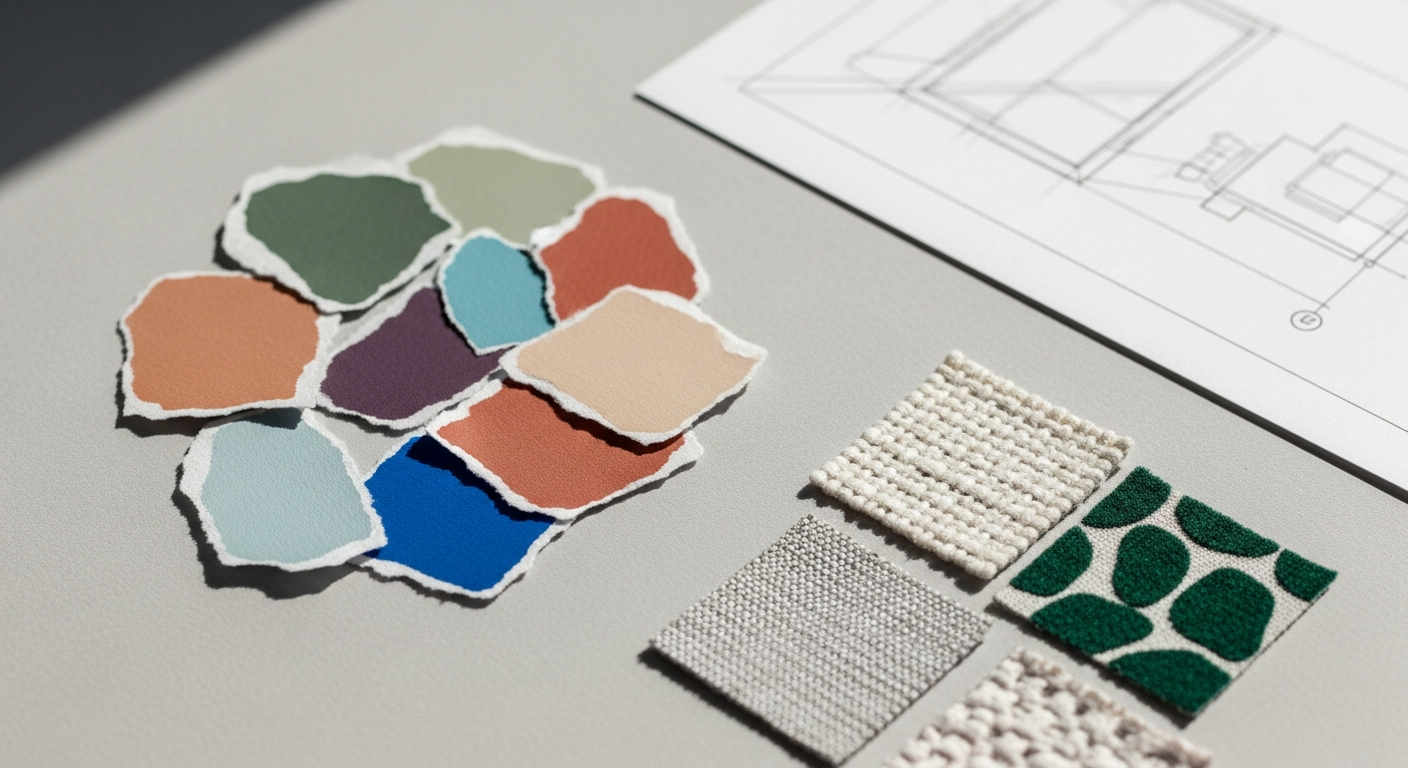
In 2026, the distinction between graphic design and user experience (UX) design will continue to diminish, with UX principles becoming an inseparable component of any successful visual communication strategy. For graphic designers, understanding and applying UX methodologies is no longer optional; it’s foundational.
What Is UX Design and Why It Matters: UX design is the process of enhancing user satisfaction with a product by improving the usability, accessibility, and pleasure provided in the interaction with the product. It encompasses all aspects of the end-user’s interaction with the company, its services, and its products. For graphic designers, this means moving beyond purely aesthetic considerations to deeply understand the user’s journey, motivations, and pain points. Why does it matter? Because a visually stunning design is futile if it’s difficult to use, confusing, or frustrating. UX ensures that designs are not only beautiful but also intuitive, efficient, and enjoyable, directly impacting user engagement, conversion rates, and brand loyalty. It’s about solving problems for users, creating empathy, and ensuring that every visual element serves a purpose within a larger, meaningful interaction.
The graphic designer’s role in UX extends across various stages. From contributing to initial user research and persona development to creating wireframes and prototypes that define the structure and flow of an interface, graphic designers are integral. Their expertise in visual hierarchy, typography, color theory, and layout directly influences the usability and emotional resonance of a product. They translate complex information into easily digestible visuals, guide users through interfaces with clear calls to action, and craft microinteractions that delight and inform. It’s about creating a cohesive visual language that supports the overall user experience.
Microinteractions and Haptic Feedback: Small, delightful animations and sensory responses play a huge role in modern UX. Think of the subtle bounce when you pull to refresh, the sound when you send a message, or the vibration when you successfully complete an action. Graphic designers are key in crafting these microinteractions, ensuring they are visually appealing, provide clear feedback, and enhance the overall experience without being intrusive. Haptic feedback, which involves tactile sensations, is also becoming more sophisticated, allowing designers to create richer, multi-sensory interactions, particularly in AR/VR environments.
Personalization and Adaptive Interfaces: Designs in 2026 will increasingly adapt to individual users based on their preferences, past behaviors, and contextual information. This requires graphic designers to think about flexible systems and modular components that can dynamically rearrange or change their appearance. It’s about creating intelligent visual languages that learn and evolve with the user, offering a truly bespoke experience.
How To Conduct A Heuristic Evaluation: A heuristic evaluation is a usability inspection method for computer software that helps to identify usability problems in the user interface (UI) design. It involves a small group of evaluators examining the interface and judging its compliance with recognized usability principles (the “heuristics”). For graphic designers, understanding how to conduct a basic heuristic evaluation is invaluable for identifying and rectifying usability issues early in the design process, before costly development. While typically performed by UX specialists, graphic designers can apply these principles to their own work:
- Understand the Heuristics: Familiarize yourself with established usability heuristics, such as Jakob Nielsen’s 10 Usability Heuristics for User Interface Design (e.g., Visibility of system status, Match between system and the real world, User control and freedom, Consistency and standards, Error prevention, Recognition rather than recall, Flexibility and efficiency of use, Aesthetic and minimalist design, Help users recognize, diagnose, and recover from errors, Help and documentation).
- Define the Scope: Clearly identify the specific parts of the interface you will evaluate and the tasks users typically perform.
- Multiple Evaluators (if possible): While you can do a self-evaluation, having 2-3 evaluators (even fellow designers) can uncover more issues due to diverse perspectives.
- Go Through User Flows: Systematically step through the interface, simulating typical user tasks. For each task, assess how well the design adheres to each heuristic.
- Note Down Violations: For every instance where a heuristic is violated, describe the problem, explain which heuristic is violated, and assign a severity rating (e.g., minor, major, catastrophic).
- Suggest Solutions: Propose concrete design changes or improvements to address the identified issues.
- Synthesize Findings: Compile all findings and recommendations into a structured report.
By integrating heuristic evaluations, graphic designers can proactively improve the functionality and usability of their visual designs, making them truly user-centric and effective.
Visual Aesthetics: From Maximalism to Mindful Minimalism
The visual language of graphic design in 2026 will be characterized by a fascinating duality, oscillating between bold, expressive maximalism and a more refined, mindful approach to minimalism. This offers designers a rich palette of styles to explore, depending on the brand, message, and target audience.
Retro-Futurism & Y2K Revival: Nostalgia continues to be a powerful force, but it’s evolving. We’re seeing a sophisticated blend of retro aesthetics – particularly from the late 90s and early 2000s (Y2K) – with a distinctly futuristic twist. Think chrome textures, iridescent gradients, chunky yet sleek typography, and vibrant, often synthetic, color palettes reminiscent of early digital interfaces and sci-fi films. This style evokes a sense of optimistic futurism, blending the familiar with the imaginative.
Organic Shapes & Fluidity: Moving away from rigid geometric grids, there’s a strong embrace of organic, biomorphic shapes and fluid forms. Blobs, waves, and imperfect curves create a softer, more approachable, and often more natural aesthetic. This trend reflects the growing desire for designs that feel human, accessible, and less constrained by traditional digital rectilinearity. It aligns with the biophilic design trend seen in interior spaces, bringing elements of nature and softness into digital interfaces and print collateral.
Experimental Typography: Typography is no longer just about conveying information; it’s a powerful visual element in its own right. 2026 will see continued experimentation with kinetic typography (type that moves and animates), variable fonts that offer endless customization, and expressive, often distorted or deconstructed lettering. 3D typography adds depth and materiality, while type is frequently used as a primary image or graphic element, pushing the boundaries of legibility and artistic expression.
Bold Gradients & Dynamic Color Palettes: Gradients are making a powerful comeback, but with increased sophistication. We’re seeing multi-dimensional gradients that simulate light sources, rich chromatic shifts, and even AI-generated color schemes that create unexpected and harmonious blends. Color palettes are becoming more dynamic, often incorporating high contrast, unexpected pairings, and a willingness to use vibrant, saturated hues to evoke emotion and capture attention.
Abstract Brutalism & Deconstructivism: On the other end of the spectrum, a raw, unfiltered aesthetic rooted in brutalism and deconstructivism continues to gain traction. This involves designs that emphasize structure, functionality, and often a deliberate sense of imperfection or asymmetry. Expect bold, unapologetic typography, exposed grid lines, raw textures, and a limited color palette. It’s a reaction against overly polished design, embracing honesty and stark visual impact. This style often feels more experimental and artistic, challenging traditional notions of beauty.
Mindful Minimalism: This isn’t the stark, cold minimalism of the past. Mindful minimalism in 2026 is characterized by intentionality, clarity, and a focus on essential elements to create a sense of calm and sophistication. It prioritizes functionality, ample white space (used as a deliberate design element), crisp typography, and a restrained color palette. The goal is to reduce visual clutter, enhance readability, and create an experience that feels effortless and elegant, allowing the content to breathe and resonate more deeply with the user.
The Power of Storytelling and Data Visualization
In an increasingly saturated information landscape, the ability to cut through the noise and connect with audiences on a deeper level is paramount. In 2026, graphic designers will increasingly leverage the power of storytelling and sophisticated data visualization to achieve this, transforming complex information into compelling narratives.
Narrative-Driven Design: Brands and organizations are moving beyond simply presenting facts; they want to evoke emotion, build connections, and create memorable experiences. Narrative-driven design involves crafting visual journeys that guide the audience through a story, whether it’s the evolution of a brand, the impact of a social cause, or the benefits of a product. This requires a strong understanding of sequential design, pacing, and how visual elements can build tension, reveal information, and ultimately resonate with the viewer. Graphic designers are essentially visual authors, using imagery, typography, and layout to craft compelling narratives that captivate and persuade.
Infographic Design Tips and Best Practices: Infographics remain an incredibly effective tool for communicating complex data and information in an accessible and engaging format. However, as the medium matures, so do the expectations for their quality and impact. Here are key tips and best practices for infographic design in 2026:
- Clarity and Simplicity: The primary goal of an infographic is to make complex information easy to understand. Prioritize clarity over excessive decoration. Every element should serve a purpose in conveying the message.
- Strong Visual Hierarchy: Guide the viewer’s eye through the information logically. Use size, color, contrast, and placement to emphasize key data points and direct attention to the most important elements first.
- Accuracy and Integrity: Data integrity is paramount. Ensure all statistics, facts, and figures are accurate, properly sourced, and presented without bias. Misleading data can severely damage credibility.
- Compelling Storytelling with Data: Don’t just present data; tell a story with it. What is the central message? What insights do you want the audience to take away? Structure the infographic to build a narrative around the data.
- Visual Appeal and Engagement: While clarity is king, aesthetics are crucial for capturing attention. Use appropriate colors, engaging icons, legible typography, and a consistent visual style that aligns with the brand and message. Avoid overwhelming the viewer with too much information or visual clutter.
- Consistency in Branding: Maintain a consistent brand identity throughout the infographic, using brand colors, fonts, and logos where appropriate. This reinforces brand recognition and professionalism.
- Interactivity: For digital infographics, consider adding interactive elements. Hover effects, clickable segments, and dynamic charts allow users to delve deeper into the data at their own pace, enhancing engagement and comprehension.
- Accessibility: Ensure your infographics are accessible to all users. Provide alternative text for images, use sufficient color contrast, and consider providing data in an accessible format alongside the visual.
- Purposeful Layout: A well-thought-out layout is critical. Whether it’s a linear flow, a comparison, or a circular arrangement, the structure should naturally support the data and narrative.
Micro-Storytelling: The prevalence of short-form content on social media platforms necessitates skills in micro-storytelling. Graphic designers must be able to convey impactful narratives through a series of concise visuals, animations, or short video clips, capturing attention rapidly and leaving a lasting impression within brief engagement windows.
Niche Specializations and Hybrid Roles
The expanding scope of graphic design in 2026 is fostering the emergence of highly specialized roles and hybrid skill sets. Rather than a singular “graphic designer” title, the profession is fragmenting into diverse specializations, each demanding a unique blend of creative and technical expertise.
- Motion Designer: With the increasing demand for dynamic and engaging content, motion designers will continue to be in high demand. This role focuses on animating graphics for user interfaces, social media, video content, and interactive experiences. Skills in tools like After Effects, Cinema 4D, and understanding principles of animation are essential.
- Brand Experience Designer: This role takes a holistic approach to brand identity, designing not just logos and visual assets, but the entire brand journey across all touchpoints – digital, physical, and experiential. It requires a deep understanding of UX, service design, and strategic thinking to create cohesive and impactful brand narratives.
- AI Prompt Engineer for Design: A truly emerging role, the AI prompt engineer specializes in crafting effective prompts and queries for AI image generation and design tools. This requires a blend of creative vision, technical understanding of AI models, and linguistic precision to achieve desired visual outcomes and iterate efficiently with AI.
- 3D Designer: As AR/VR and metaverse experiences become more mainstream, designers specializing in 3D modeling, texturing, and rendering will be crucial. This role involves creating virtual environments, product visualizations, and immersive assets for interactive platforms.
- Sustainable Design Consultant: With the growing emphasis on ethical and eco-conscious design, specialists in sustainable graphic design will guide businesses in implementing environmentally friendly practices, from material selection for print to optimizing digital assets for reduced energy consumption. They help brands communicate their sustainability efforts authentically.
- Data Storyteller: Building on the infographic trend, a data storyteller specializes in transforming complex datasets into compelling, narrative-driven visualizations. This role requires strong analytical skills combined with exceptional visual communication abilities to make data accessible, insightful, and actionable.
The takeaway for graphic designers is not necessarily to master every single one of these specializations, but to identify areas of passion and develop deep expertise, while maintaining a foundational understanding of related disciplines. The most successful designers in 2026 will likely be those who can bridge multiple disciplines, offering a unique and valuable blend of skills.
The graphic design profession in 2026 is poised for an exciting and transformative journey. It’s a landscape where creativity intertwines with technology, aesthetics meet ethics, and user experience reigns supreme. To navigate these evolving currents, graphic designers must embrace a mindset of continuous learning, adaptability, and strategic thinking. From leveraging AI as a creative partner to championing sustainable practices and crafting deeply immersive user experiences, the demands are multifaceted, yet the opportunities are boundless. By staying informed, honing new skills, and approaching every project with empathy and foresight, designers can not only keep pace with these trends but actively shape the future of visual communication, creating impactful and meaningful experiences for a global audience. The future of graphic design isn’t just about what looks good; it’s about what works well, what connects deeply, and what contributes positively to our increasingly complex world.
Frequently Asked Questions
Recommended Resources
Check out How To Choose A Monitor For Work on Bookmark Sharer for a deeper dive.
You might also enjoy How To Build A Founding Team For Your Startup from Eamped.