The Foundation of Value: Kitchen & Bathroom Renovations
When it comes to home improvement, few areas yield as consistent and impressive returns as the kitchen and bathrooms. These spaces are the workhorses of any home, central to daily routines, entertaining, and personal rejuvenation. A well-executed renovation in these areas doesn’t just improve aesthetics; it transforms functionality and drastically enhances the overall living experience, making them perennial favorites for homeowners looking to invest wisely.
Kitchen: The Heart of the Home Reimagined
The kitchen is more than just a place to cook; it’s the social hub, the family gathering spot, and often the first impression a buyer forms of your home. Investing in a kitchen remodel offers one of the strongest ROIs, often recouping a significant portion of its cost upon resale. For 2026, the trends lean towards smart integration, sustainable materials, and layouts that foster connection and convenience.
- Layout Optimization: A functional layout is key. Consider an open-concept design that connects the kitchen to living areas, enhancing flow and light. Islands with seating are incredibly popular, serving as informal dining spots, prep areas, and social hubs.
- Smart Appliances: Integrating smart refrigerators, ovens, and dishwashers not only adds a touch of modern luxury but also improves efficiency and convenience. Think voice-controlled faucets, induction cooktops, and ovens that preheat from your smartphone.
- Quality Countertops and Cabinetry: These are the visual anchors of your kitchen. Quartz and granite remain popular for their durability and aesthetic appeal. For cabinetry, consider custom solutions that maximize storage and reflect your personal style, perhaps with built-in organizers or hidden charging stations. Materials like sustainable wood or recycled composites are gaining traction.
- Lighting Design: A layered lighting scheme combining ambient, task, and accent lighting can dramatically improve both the functionality and mood of your kitchen. Under-cabinet lighting, pendant lights over an island, and dimmable overhead fixtures are essential.
- Backsplash and Flooring: These elements offer opportunities for personal expression and can elevate the entire space. Durable, easy-to-clean materials like large-format tiles, engineered wood, or even polished concrete are excellent choices for flooring.
Bathrooms: Your Private Spa Retreat
Bathrooms, particularly the master bath, are sanctuaries of relaxation and personal care. A well-appointed bathroom can significantly increase your home’s appeal and value. Modern trends for 2026 emphasize spa-like amenities, accessibility, and water-saving technologies.
- Walk-in Showers: Ditch the traditional tub-shower combo for a spacious, curbless walk-in shower. Add features like rain showerheads, body jets, and built-in benches for a luxurious, accessible experience. Glass enclosures maintain an open, airy feel.
- Double Vanities: For shared bathrooms, a double vanity is a highly desirable feature, offering convenience and personal space. Pair with ample storage solutions to keep clutter at bay.
- High-Efficiency Toilets and Fixtures: Water conservation is not just environmentally responsible; it also saves money. Look for low-flow toilets and faucets that don’t compromise on performance.
- Heated Flooring: A small luxury that makes a big difference, especially in colder climates. Heated floors add comfort and a touch of sophistication.
- Smart Mirrors and Lighting: Mirrors with integrated LED lighting, defoggers, and even smart displays that show weather or news are increasingly popular, blending technology with daily routines.
Elevating Outdoor Living: Maximizing Curb Appeal and Recreation
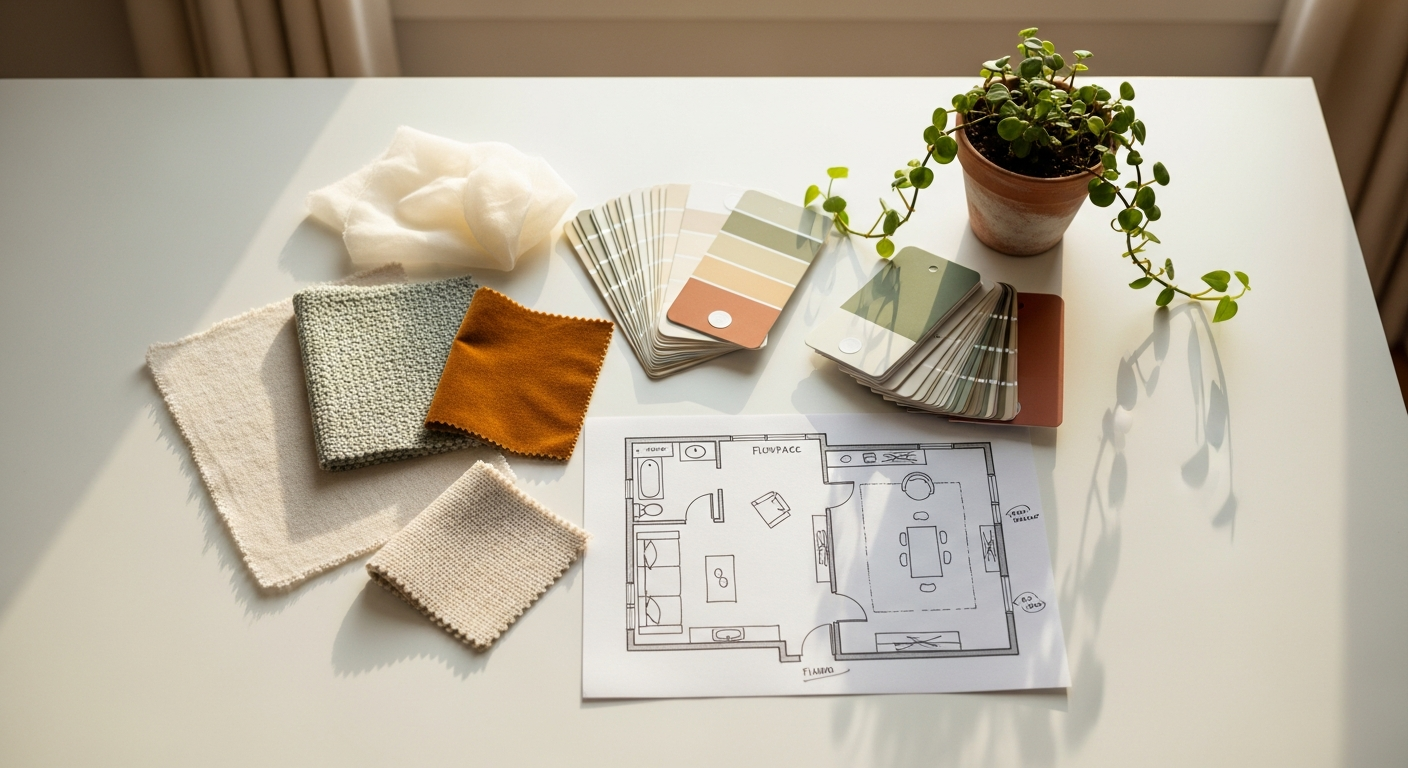
The exterior of your home is its first impression, a critical factor in curb appeal and overall property value. Beyond aesthetics, well-designed outdoor spaces extend your living area, offering opportunities for relaxation, entertainment, and recreation. Investing in your outdoor environment is an investment in your lifestyle and your home’s marketability.
Landscaping and Curb Appeal: The Welcoming Embrace
A beautifully maintained and thoughtfully designed landscape can dramatically increase your home’s perceived value. It signals care and attention to detail, inviting potential buyers in.
- Native Plantings: Opt for drought-resistant, native plants that thrive in your climate. They require less water and maintenance, contributing to sustainability and reducing long-term costs.
- Defined Walkways and Entryways: Clear, attractive pathways made from pavers, natural stone, or concrete create a welcoming approach to your front door. Enhance with thoughtful lighting.
- Strategic Lighting: Landscape lighting highlights architectural features, ensures safety, and extends the usability of your outdoor spaces into the evening.
- Exterior Paint and Finishes: A fresh coat of paint in a contemporary yet timeless color, along with well-maintained siding, trim, and a striking front door, can make an enormous difference.
Decks, Patios, and Outdoor Kitchens: Expanding Your Horizons
Transforming your backyard into an outdoor oasis effectively adds square footage to your usable living space. These projects are highly sought after and provide excellent ROI.
- Deck or Patio Installation/Renovation: A well-built deck (wood or composite for low maintenance) or a stylish patio (pavers, stamped concrete, natural stone) creates an ideal setting for outdoor dining and lounging. Consider multi-level designs for added interest and functionality.
- Outdoor Kitchens: For the ultimate entertainer, an outdoor kitchen with a built-in grill, sink, refrigerator, and even a pizza oven, elevates al fresco dining to an art form. This feature is particularly attractive in warmer climates.
- Fire Pits and Water Features: A cozy fire pit area encourages gathering and extends outdoor enjoyment into cooler evenings. Subtle water features add tranquility and a calming ambiance.
Pools and Outdoor Spas: Luxury and Leisure
While a pool or outdoor spa can be a significant investment, for the right buyer in the right market, it adds considerable value, particularly for luxury homes or in regions with warm climates. Crucially, maintaining and covering these features is key to realizing their full potential.
- Modern Pool Design: Think sleek, minimalist designs, perhaps with infinity edges or integrated tanning ledges. Saltwater systems are preferred for lower maintenance and a gentler swimming experience.
- Integrated Spas: A built-in spa offers year-round relaxation and hydrotherapy benefits.
- 3 reasons to cover a pool or outdoor spa: This is a crucial consideration for any pool or spa owner.
- Safety: A sturdy, automatic pool cover is a non-negotiable safety feature, preventing accidental falls by children or pets. This peace of mind is invaluable.
- Cleanliness and Maintenance: Covers keep out leaves, debris, and insects, significantly reducing the amount of cleaning required and the consumption of chemicals. This translates to less effort and lower operational costs.
- Energy Efficiency and Heat Retention: Covering your pool or spa prevents heat loss through evaporation, especially overnight. This dramatically reduces the energy needed to heat the water, saving you substantial money on utility bills and extending your swimming season.
Smart Home Integration: The Future-Proof Investment
Enhanced Security and Peace of Mind
Modern homeowners prioritize safety, and smart security systems offer unparalleled protection and control.
- Integrated Security Systems: Beyond traditional alarms, smart systems include doorbell cameras, motion sensors, smart locks, and connected indoor/outdoor cameras, all controllable from your smartphone.
- Smart Lighting: Program lights to turn on/off based on presence, schedule, or even simulate occupancy when you’re away, deterring potential intruders.
- Leak and Freeze Detectors: Strategically placed sensors can alert you to water leaks or freezing pipes, preventing costly damage.
Optimized Comfort and Convenience
Smart home features streamline daily routines and create a more comfortable living environment.
- Smart Thermostats: Devices like Nest or Ecobee learn your preferences, optimize heating and cooling schedules, and can be controlled remotely, leading to significant energy savings and ideal climate control.
- Automated Lighting and Shades: Control ambiance with a touch or voice command. Smart lighting can adjust color temperature throughout the day, while automated shades offer privacy and sun control.
- Voice Assistants: Central hubs like Amazon Echo or Google Home integrate with various smart devices, allowing for hands-free control of music, lights, thermostats, and more.
- Smart Appliances: As mentioned in the kitchen section, smart appliances enhance convenience, offering features like remote preheating or inventory management.
Energy Efficiency and Cost Savings
Many smart home technologies contribute directly to lower utility bills and a reduced environmental footprint.
- Energy Monitoring: Some systems allow you to track energy consumption in real-time, helping you identify and reduce waste.
- Automated Zones: Control heating, cooling, and lighting in specific zones, ensuring energy is only used where and when it’s needed.
Energy Efficiency & Sustainability: Green Investments for a Brighter Future
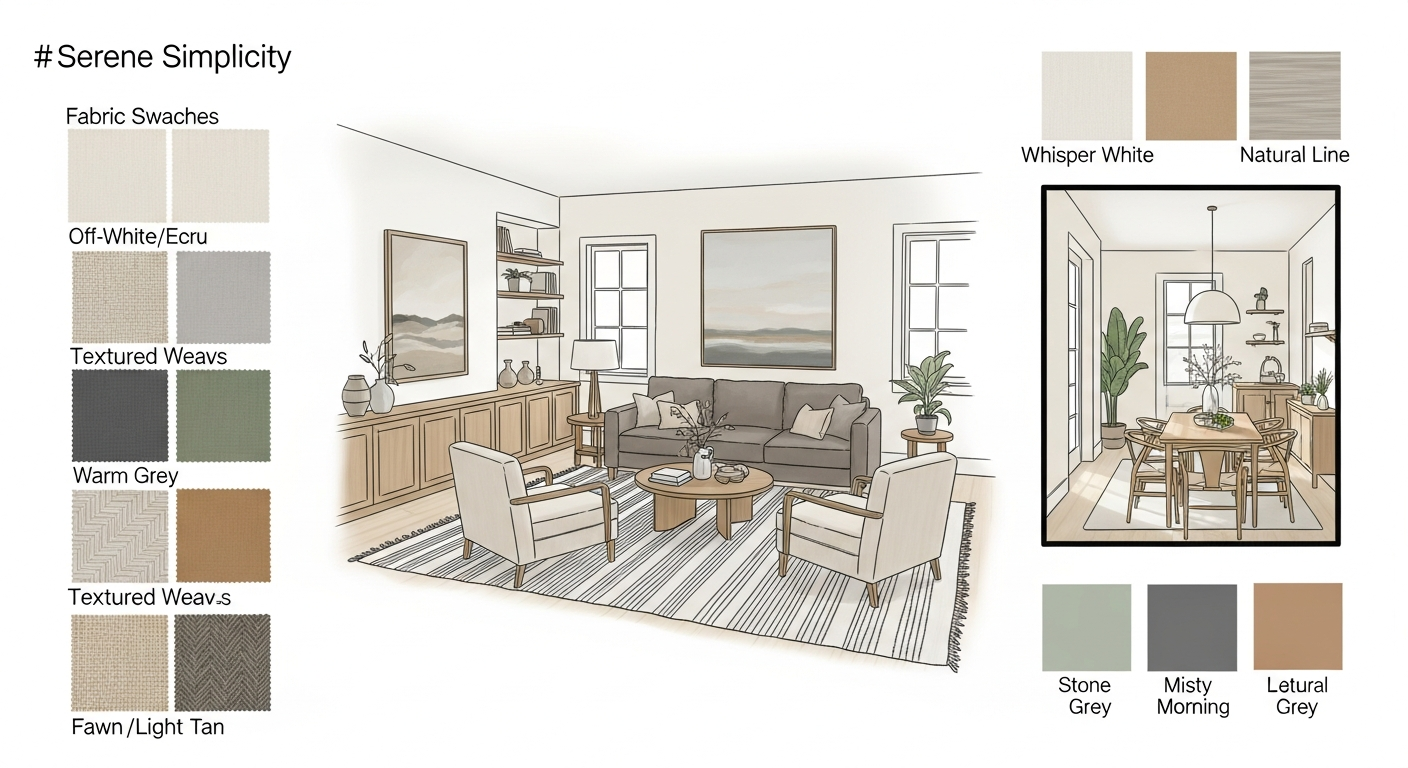
Beyond the immediate comforts, investing in energy-efficient and sustainable home improvements is one of the most forward-thinking decisions a homeowner can make. These projects not only reduce your carbon footprint but also lead to substantial long-term savings on utility bills and significantly increase your home’s attractiveness in the market, especially as environmental consciousness grows in 2026 and beyond.
Windows & Doors: Your Home’s Thermal Envelope
Old, drafty windows and doors are major culprits for energy loss. Upgrading them is a powerful way to improve efficiency and comfort.
- High-Performance Windows: Look for double or triple-pane windows with low-emissivity (Low-E) coatings and inert gas (argon or krypton) fills. These significantly reduce heat transfer, keeping your home warmer in winter and cooler in summer. They also offer excellent noise reduction.
- Energy-Efficient Doors: Insulated entry doors with strong weatherstripping prevent drafts and improve security. Sliding glass doors and patio doors should also be energy-rated.
- Return on Investment: While a significant upfront cost, new windows and doors offer excellent ROI through reduced energy bills, enhanced curb appeal, and improved interior comfort.
HVAC Systems & Insulation: The Climate Control Core
Your heating, ventilation, and air conditioning (HVAC) system, coupled with proper insulation, is fundamental to your home’s energy performance.
- Modern HVAC Systems: Replace outdated furnaces and air conditioners with high-efficiency models, such as ENERGY STAR-rated units, heat pumps, or geothermal systems. These systems are far more efficient, quieter, and offer superior climate control. Pair them with a smart thermostat for optimal performance.
- Attic and Wall Insulation: Proper insulation is a low-cost, high-impact investment. Adding insulation to your attic, walls, and crawl spaces prevents heat loss in winter and heat gain in summer, making your HVAC system work less and saving energy.
- Duct Sealing: Leaky ducts can waste a significant amount of conditioned air. Sealing and insulating ducts improve system efficiency and air quality.
Solar Panels: Harnessing Renewable Power
Installing solar panels is a bold step towards energy independence and a substantial long-term investment that pays dividends.
- Reduced or Eliminated Electricity Bills: The most obvious benefit is significantly lower, or even non-existent, monthly electricity bills.
- Increased Home Value: Homes with solar panels often sell faster and at a premium. Buyers increasingly value homes with pre-installed renewable energy systems.
- Environmental Impact: Contribute to a cleaner environment by reducing your reliance on fossil fuels.
- Incentives: Explore federal, state, and local incentives, tax credits, and rebates that can significantly offset the initial installation cost.
Water-Saving Fixtures and Appliances
Beyond energy, water efficiency is another critical aspect of a sustainable home.
- Low-Flow Toilets and Faucets: As mentioned in the bathroom section, these reduce water consumption without sacrificing performance.
- Water-Efficient Appliances: Look for ENERGY STAR-rated dishwashers and washing machines that use less water and energy.
- Rainwater Harvesting: For outdoor use, consider systems that collect rainwater for irrigation, reducing reliance on municipal water supplies.
Essential Upgrades You Can’t Afford to Ignore (and Why They’re Worth It)
While design and luxury improvements are exciting, some home repairs and upgrades are simply non-negotiable. These are the foundational elements that ensure your home’s safety, structural integrity, and long-term livability. Neglecting them can lead to catastrophic failures and significantly higher costs down the line. Investing in these essentials protects your most valuable asset and prevents the dreaded phrase: “Why are some home repairs so expensive?” The answer often lies in the critical nature of the repair, the specialized skill required, and the compounding damage that occurs when things you should never neglect in your home are ignored.
Roofing: Your Home’s First Line of Defense
Your roof is your home’s primary shield against the elements. A failing roof can lead to water damage, structural issues, and mold, making its repair or replacement a top priority.
- Replacement of Old or Damaged Roofs: If your roof is past its lifespan (typically 20-30 years for asphalt shingles) or shows signs of significant damage (missing shingles, leaks, sagging), replacement is crucial. This is an investment in your home’s structural integrity and can significantly boost curb appeal.
- Material Upgrades: Consider durable options like metal roofing, which offers longevity, energy efficiency, and a sleek modern aesthetic, though at a higher upfront cost.
- Ventilation: Proper attic ventilation is vital for roof longevity and home energy efficiency.
Foundation and Structural Repairs: The Bedrock of Your Home
Any issues with your home’s foundation are serious and demand immediate attention. These repairs are often among the most expensive but are absolutely vital.
- Cracks and Settling: Visible cracks in the foundation, bowing walls, or doors and windows that stick are red flags. Addressing these early can prevent much larger, more costly structural failures.
- Professional Assessment: Always hire a qualified structural engineer for assessment and repair recommendations. This is not a DIY project.
- Why They’re Expensive: Foundation repairs are complex, require specialized expertise and heavy equipment, and often involve working with the very ground your house sits on. The cost of neglecting these issues, however, can be the complete loss of your home’s structural integrity, making the repair an unavoidable investment in its very existence.
Electrical and Plumbing Systems: The Veins and Nerves
Outdated or faulty electrical and plumbing systems pose significant safety risks and can lead to property damage.
- Electrical Panel Upgrades: Older homes often have electrical panels that can’t handle modern power demands, leading to tripped breakers, flickering lights, and fire hazards. Upgrading to a 200-amp service is a critical safety and functionality improvement.
- Rewiring: Knob-and-tube or aluminum wiring should be replaced by a licensed electrician to meet current safety codes and reduce fire risk.
- Pipe Replacement: Old galvanized pipes can corrode, restrict water flow, and introduce contaminants. Replacing them with PEX or copper piping improves water pressure, quality, and prevents leaks.
- Water Heater Replacement: An old water heater can be inefficient and prone to failure. Upgrading to a tankless or high-efficiency tank model improves energy efficiency and ensures a reliable hot water supply.
Water Management: Guarding Against the Elements
Protecting your home from water intrusion is paramount.
- Sump Pumps and Drainage Systems: For homes in flood-prone areas or with basements, a reliable sump pump and proper exterior drainage (e.g., French drains) are essential to prevent costly water damage and mold growth.
- Gutter and Downspout Maintenance: Ensure gutters are clean and downspouts direct water away from the foundation. This is one of those simple things you should never neglect in your home.
Strategic Home Improvements: Beyond the Obvious
While kitchens, bathrooms, and essential repairs form the bedrock of home value, there are other strategic projects that, when thoughtfully executed, can significantly enhance your lifestyle and appeal to a broader market in 2026. These often involve optimizing existing space or adding highly desirable functionality.
Finished Basements and Attics: Unlocking Hidden Potential
Converting unfinished spaces into livable areas is one of the most cost-effective ways to add square footage and value to your home without expanding its footprint.
- Additional Living Space: A finished basement can become a family room, a home theater, a gym, or an extra bedroom, providing valuable functional space.
- Home Office or Studio: With the continued rise of remote work, a dedicated, well-lit home office in a finished attic or basement is a highly sought-after feature.
- Rental Opportunity: In some areas, a basement apartment can generate rental income, offering a unique ROI.
- Considerations: Ensure proper waterproofing, insulation, and egress windows for safety and code compliance.
Garage Enhancements: More Than Just Parking
The garage is often an overlooked space, but it holds significant potential for organization, functionality, and even as an extension of living areas.
- Organization Systems: Built-in shelving, cabinets, slatwall panels, and overhead storage systems transform a cluttered garage into an orderly, efficient space.
- Smart Garage Door Openers: Control access remotely, receive notifications, and integrate with your smart home system for added convenience and security.
- EV Charging Stations: With the surge in electric vehicles, installing a dedicated EV charging station is a forward-thinking upgrade that appeals to a growing demographic and future-proofs your home for 2026 and beyond.
- Floor Coatings: Epoxy floor coatings not only look great but also protect the concrete, making it easier to clean and more durable.
Interior Design Elements: Built-ins and Custom Storage
Thoughtful, integrated design elements can elevate a home’s aesthetic and functionality, making it feel bespoke and luxurious.
- Built-in Shelving and Cabinetry: Custom built-ins around fireplaces, in living rooms, or hallways offer stylish storage and display solutions, making a home feel more organized and high-end.
- Custom Closets: Well-designed closet systems maximize storage and organization, a highly desirable feature for modern homeowners.
- Mudrooms and Entryways: Creating a dedicated mudroom with built-in cubbies, hooks, and benches provides a practical transition space that keeps clutter contained and makes a great first impression.
Adding or Expanding a Bathroom: Enhanced Functionality
While a full bathroom renovation is impactful, simply adding an extra bathroom, even a half-bath, can significantly improve a home’s functionality and value, especially in homes with only one or two existing bathrooms.
- Powder Room: A half-bath on the main floor is incredibly convenient for guests and highly valued by buyers.
- Full Bath Addition: In a basement or an unused closet space, adding a full bath can transform an existing bedroom into an en-suite, or make an additional bedroom much more appealing.
Final Thoughts & Looking Ahead to 2026
Embarking on home improvement projects is a journey that blends personal vision with strategic investment. For Layout Scene readers, the goal is always to create spaces that are not only beautiful and reflective of individual style but also contribute to the long-term health and value of the property. As we navigate the evolving landscape of home design and technology towards 2026, the projects outlined above represent the most promising avenues for maximizing your home’s potential.
Remember, the most successful home improvements are those that strike a balance between aesthetics, functionality, energy efficiency, and structural integrity. They solve problems, enhance daily living, and anticipate future needs. Whether you’re dreaming of a gourmet kitchen, a spa-like bathroom, a smart home ecosystem, or simply ensuring your home’s core systems are robust, each investment should be carefully planned and executed with an eye towards quality and enduring value. By focusing on these key areas, you’re not just renovating a house; you’re cultivating a home that is truly designed for life, ready to impress, and poised for a brilliant future.
Frequently Asked Questions
Recommended Resources
For more on home improvement projects, see How To Use Google Analytics 4 For Your Website on Eamped.
Explore Cloud Computing Explained Simply for additional insights.