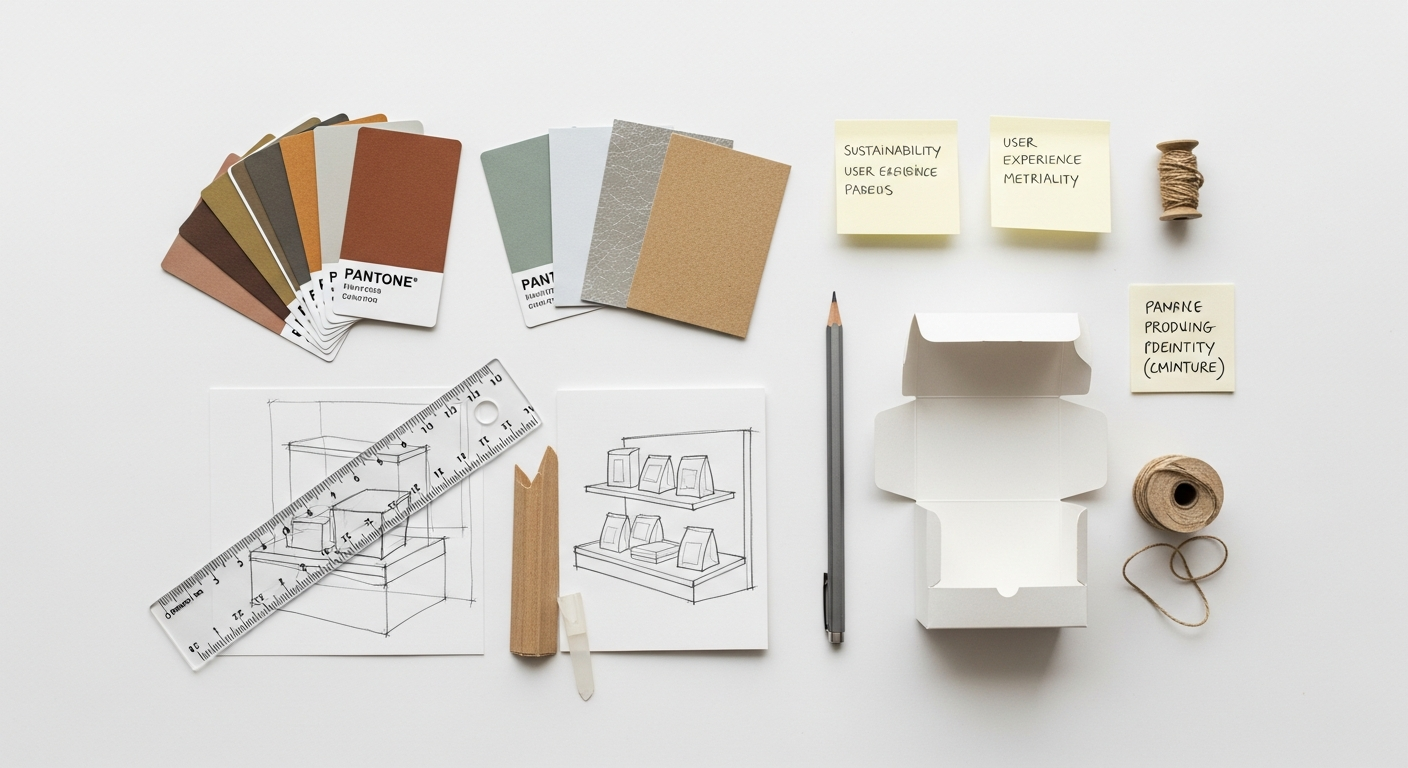
The Multifaceted Role of Packaging Design
Packaging design, at its very core, is a strategic art form that blends creativity with functionality. It’s the visual and structural presentation of a product, a critical touchpoint in the consumer journey that extends far beyond simply holding an item. In today’s competitive landscape, effective packaging serves multiple vital roles, each contributing significantly to a product’s success and a brand’s equity.
Protection and Preservation: The Foundational Purpose
The most fundamental role of packaging is to protect the product within. From the factory floor to the store shelf and finally into the consumer’s home, packaging must shield its contents from physical damage, environmental factors like moisture and light, and potential contamination. This protective function ensures product integrity, extends shelf life, and minimizes waste due to spoilage or breakage. Beyond mere physical protection, some packaging designs incorporate features for tamper-evidence, providing an additional layer of security and consumer trust.
Information and Communication: The Silent Storyteller
Packaging acts as a crucial communication vehicle, conveying essential information to the consumer. This includes product name, brand logo, ingredients, nutritional facts, usage instructions, safety warnings, and recycling information. The clarity, hierarchy, and legibility of this information are paramount, especially given regulatory requirements and consumer demand for transparency. Beyond the factual, packaging also communicates a brand’s story, values, and personality, often through its visual language, choice of materials, and overall aesthetic. It’s a powerful tool for conveying a unique selling proposition without uttering a single word.
Marketing and Brand Identity: The Visual Hook
In a retail environment saturated with choices, packaging is a brand’s most immediate marketing tool. It’s the first impression, the visual hook that grabs attention on a crowded shelf or stands out in a sea of online listings. Strong packaging design reinforces brand identity, making a product instantly recognizable and memorable. Through strategic use of color palettes, typography, imagery, and structural form, packaging can evoke specific emotions, convey premium quality, highlight sustainability efforts, or signal affordability. It’s an extension of the brand itself, working in tandem with other marketing efforts to build a cohesive and compelling presence. The visual impact of well-designed packaging is critical for shelf appeal and creating that initial spark of interest that leads to consideration.
Differentiation and Competitive Advantage: Standing Out from the Crowd
One of the most powerful roles of packaging design is its ability to differentiate a product from its competitors. In categories where products are often functionally similar, innovative and distinctive packaging can be the key differentiator. A unique shape, an unexpected material, an intelligent opening mechanism, or a captivating graphic design can set a product apart, making it more appealing and desirable. This differentiation doesn’t just attract new customers; it can also justify a premium price point, as consumers often associate superior packaging with superior product quality and a more thoughtful brand experience.
Enhancing the Consumer Experience: Beyond the Product
Modern packaging design goes beyond mere utility; it’s increasingly focused on creating a delightful and memorable consumer experience. This includes the ease of opening, the pleasure of unboxing, the ability to reseal, and the overall tactile interaction with the package. A positive unboxing experience, for example, can generate excitement and create shareable moments on social media, turning customers into brand advocates. Ultimately, packaging is not just about the product itself, but the entire journey and feeling associated with acquiring and using it.
Key Principles Guiding Stellar Packaging Design
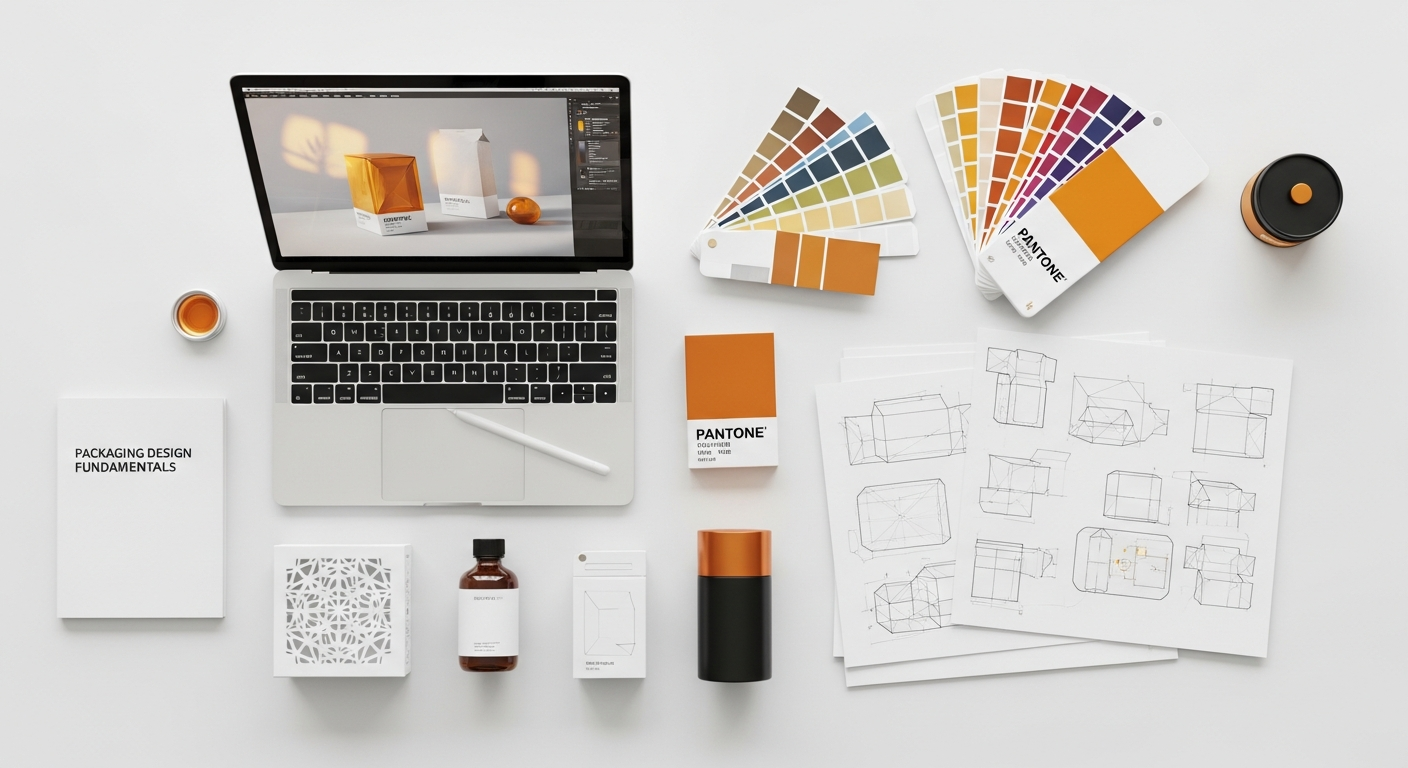
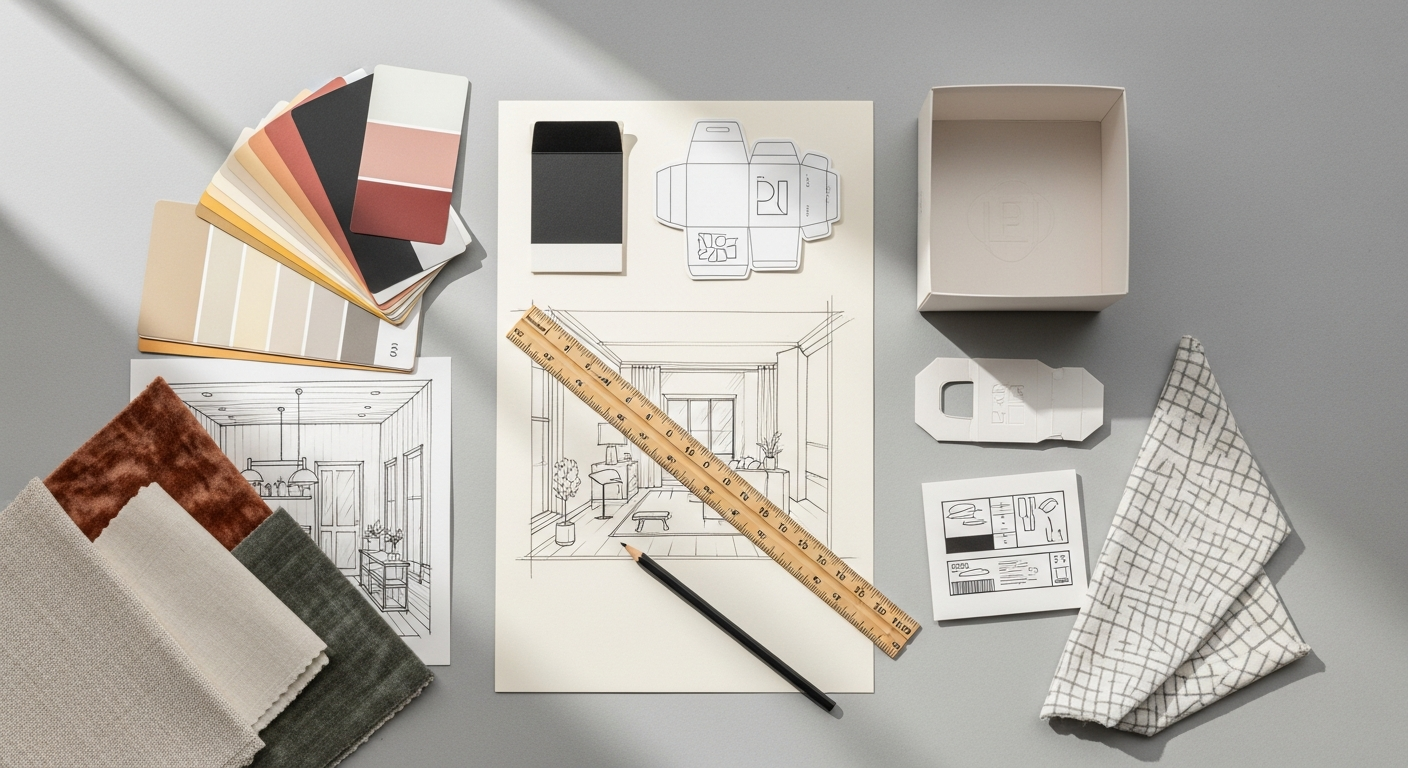
Creating packaging that truly resonates requires adherence to several core principles. These aren’t just guidelines; they are the foundational pillars upon which successful and impactful packaging designs are built, ensuring both aesthetic appeal and practical effectiveness.
Functionality and Protection: Non-Negotiable Essentials
At the forefront of any packaging project must be its functional integrity. The design must ensure the product is adequately protected from damage, contamination, and spoilage throughout its lifecycle – from manufacturing and shipping to retail display and consumer use. This involves selecting appropriate materials that can withstand various environmental stresses and designing a structure that securely encases the product. Beyond protection, functionality also encompasses ease of handling, storage, and dispensing. A package that is difficult to open, prone to spillage, or cumbersome to store will quickly frustrate consumers, regardless of how attractive it looks.
Aesthetics and Visual Appeal: The Art of Attraction
Once functionality is assured, aesthetics take center stage. Packaging must be visually appealing to capture attention and communicate the brand’s essence. This involves a harmonious blend of color, typography, imagery, and overall layout. The design should be evocative, aligning with the product’s category and target audience’s preferences. A premium product might feature minimalist design with elegant typography and subtle textures, while a children’s toy might employ vibrant colors and playful illustrations. The goal is to create an immediate emotional connection and convey the product’s value proposition at a glance. Shelf impact – how well the package stands out in a crowded retail environment – is a critical consideration here.
Brand Storytelling and Consistency: Weaving a Narrative
Effective packaging is a powerful storyteller. It communicates the brand’s identity, values, and unique narrative. Every element, from the choice of font to the material finish, should reinforce the brand’s personality and message. Consistency across a product line is vital for brand recognition and building trust. When a consumer encounters a new product from a familiar brand, consistent packaging elements provide a sense of familiarity and reliability. This consistency extends beyond the physical product; it should align with the brand’s overall visual language used in advertising, online presence, and even in collateral like a Social Media Graphics Design Guide. The packaging should feel like a natural extension of the brand’s world.
User Experience (UX): Beyond the Unboxing
The concept of user experience (UX) is paramount in modern design, and packaging is no exception. Good packaging design considers the entire journey a consumer takes with the package, from discovery to disposal. This includes how easy it is to find information, how intuitive it is to open and reseal, how comfortable it is to hold, and how simple it is to recycle. A frustrating unboxing experience or a package that’s hard to use can severely detract from the overall product satisfaction. This is where insights from “What Is UX Design And Why It Matters” become incredibly relevant. Packaging designers must think like UX designers, anticipating user needs, pain points, and desires at every touchpoint. For instance, an easy-tear strip, a clear window to see the product, or a functional handle all contribute to a superior UX. The tactile feel, the sound it makes when opened, and even the scent can all contribute to the experiential aspect.
Sustainability and Environmental Responsibility: A 2026 Imperative
With increasing global awareness of environmental issues, sustainable packaging is no longer a niche concern but a mainstream expectation. Designers must consider the entire lifecycle of the package, from sourcing raw materials to its end-of-life disposal. This includes using recycled, recyclable, biodegradable, or compostable materials, minimizing material usage, reducing waste during production, and designing for reuse or refillability. Consumers in 2026 are actively seeking out brands that demonstrate a commitment to environmental responsibility, and packaging is a highly visible manifestation of that commitment. Brands that innovate in this space not only contribute to a healthier planet but also gain a significant competitive edge.
Cost-Effectiveness and Scalability: Balancing Vision with Reality
While design aspirations can be grand, packaging must also be commercially viable. The cost of materials, manufacturing processes, and logistical considerations all play a crucial role in the final design. Designers must balance aesthetic appeal and functional requirements with budget constraints and the ability to scale production. An elaborate design that is prohibitively expensive to produce or difficult to manufacture in large quantities will not be sustainable for a business. Value engineering – finding ways to achieve desired outcomes more efficiently – is often a critical part of the packaging design process, ensuring that the final product is both beautiful and profitable.
The Packaging Design Journey: A Step-by-Step Approach
1. Research and Strategy: Laying the Groundwork
Every successful packaging design project begins with thorough research and strategic planning. This initial phase involves delving deep into understanding the product itself, its unique selling propositions, and its competitive landscape. Key questions include:
- Who is the target audience? What are their demographics, psychographics, preferences, and pain points?
- What are the brand’s core values and personality?
- What are the product’s functional requirements (e.g., shelf life, storage conditions, fragility)?
- Who are the main competitors, and what does their packaging look like? What are their strengths and weaknesses?
- What is the budget for packaging materials and production?
- What are the regulatory requirements for labeling and safety in the target markets?
This research informs the creative brief, outlining clear objectives, desired outcomes, and key performance indicators for the packaging design.
2. Concept Development: Ideation and Exploration
With a solid strategy in place, the design team moves into ideation. This stage involves brainstorming a wide range of concepts, exploring different structural forms, material options, and graphic styles. Sketching, mood boards, and digital mock-ups are used to visualize potential directions. This phase often involves:
- Structural Design Exploration: Thinking about the physical form, shape, opening mechanisms, and how the product fits inside. This might involve exploring unusual shapes or ergonomic designs.
- Material Selection: Considering various materials like paperboard, plastic, glass, metal, or sustainable alternatives, evaluating their protective qualities, aesthetic potential, cost, and environmental impact.
- Graphic Design Concepts: Developing preliminary ideas for color palettes, typography, iconography, imagery, and overall visual themes that align with the brand and product.
Multiple concepts are typically developed and presented, allowing for discussion and refinement.
3. Prototyping and Testing: Bringing Concepts to Life
Once a few promising concepts emerge, they are brought to life through prototyping. This involves creating physical mock-ups of the packaging to assess its functionality, aesthetics, and user experience in a tangible way. Prototypes allow designers and stakeholders to:
- Evaluate the structural integrity and protection capabilities.
- Test the ease of opening, closing, and dispensing.
- Assess the visual impact and shelf appeal in a real-world setting.
- Gather initial feedback from potential consumers on usability and aesthetic preference.
This iterative process often reveals unforeseen challenges or opportunities for improvement, leading to refinements in the design.
4. Evaluation and Refinement: Optimizing for Success
The testing phase naturally leads into evaluation and refinement. This is a critical stage where feedback is analyzed, and designs are optimized. One highly effective method for this is to How To Conduct A Heuristic Evaluation. While often applied to digital interfaces, its principles are perfectly transferable to packaging. A heuristic evaluation can systematically assess the usability, learnability, efficiency, and error prevention aspects of the packaging. For instance, evaluators might check:
- Visibility of System Status: Is it clear if the package is sealed or opened?
- Match Between System and the Real World: Does the packaging language (icons, instructions) make sense to the target audience?
- User Control and Freedom: Can the user easily open and close it without frustration?
- Consistency and Standards: Is the branding consistent with other products?
- Error Prevention: Does the design prevent common mistakes like incorrect opening or spillage?
- Recognition Rather Than Recall: Are instructions and key information easily recognizable rather than requiring the user to remember complex steps?
- Aesthetic and Minimalist Design: Is the design clean, uncluttered, and appealing?
- Help Users Recognize, Diagnose, and Recover from Errors: If something goes wrong (e.g., package tears), is it clear what happened and how to proceed?
This systematic approach helps identify potential usability issues before mass production, ensuring the final design is robust and user-friendly. Based on these evaluations and further consumer testing, the design undergoes necessary adjustments until it meets all strategic objectives.
5. Production and Implementation: Bringing the Vision to Market
The final stage involves preparing the design for mass production. This includes creating detailed technical specifications, working closely with manufacturers to ensure design intent is maintained, and overseeing the printing and fabrication processes. Quality control at this stage is crucial to ensure that the produced packaging lives up to the approved design and maintains brand standards. This step is about translating the meticulously crafted design into a tangible product that can be efficiently and cost-effectively brought to market.
Crafting Visual Identity: The Language of Packaging
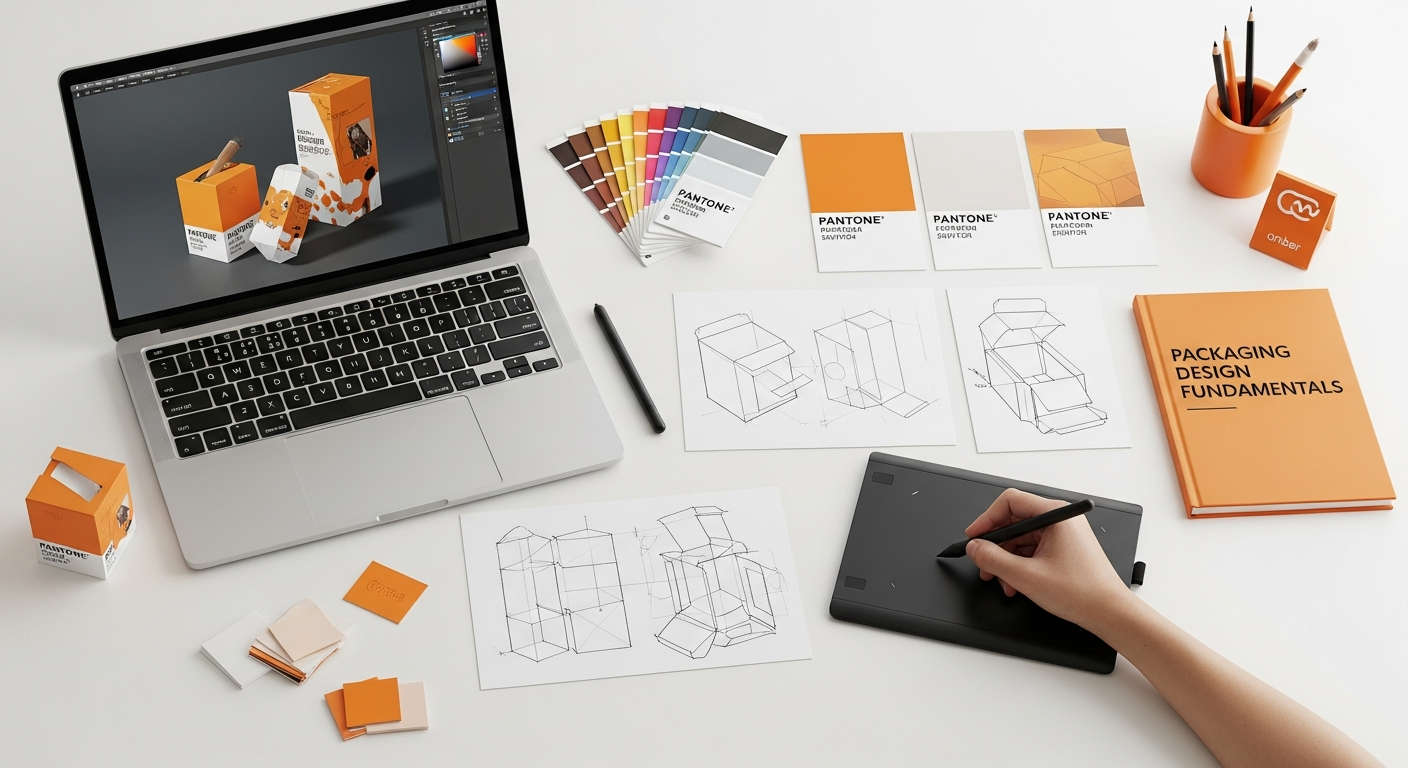
The visual elements of packaging are its most immediate and potent communicators. They form a language that speaks volumes about a product and brand, influencing perception, emotion, and purchasing decisions long before any text is read. Mastering this visual language is key to creating packaging that truly stands out.
Color Psychology: Evoking Emotion and Association
Color is arguably the most powerful visual cue in packaging. Different colors evoke distinct emotions and associations, and their strategic use can significantly impact how a product is perceived.
- Red: Energy, passion, urgency (often used for sales, food, or products needing immediate attention).
- Blue: Trust, calm, professionalism (common for tech, health, and corporate brands).
- Green: Nature, health, freshness, sustainability (popular for organic, eco-friendly, or natural products).
- Yellow: Optimism, cheerfulness, attention (often for children’s products or to signify value).
- Black: Sophistication, luxury, power (used for premium, high-end products).
- White: Purity, simplicity, cleanliness (common for health, beauty, and minimalist brands).
The chosen color palette must align with the brand’s identity and the product’s category, creating an instant connection with the target audience. Color trends also evolve, so staying abreast of contemporary preferences while maintaining brand consistency is a delicate balance.
Typography: Personality and Readability in Print
The fonts used on packaging convey more than just information; they communicate personality. Typography must be chosen carefully to reflect the brand’s tone – whether it’s elegant, playful, serious, or modern – while ensuring absolute readability.
- Serif Fonts: Often convey tradition, sophistication, and reliability (e.g., Times New Roman, Georgia).
- Sans-Serif Fonts: Project modernity, cleanliness, and approachability (e.g., Helvetica, Arial, Lato).
- Script Fonts: Suggest elegance, creativity, or a personal touch (often used sparingly for accents).
- Display Fonts: Designed for impact and typically used for headlines or logos due to their unique character.
Beyond style, practical considerations like font size, line spacing, and contrast with the background are crucial for ensuring that product names, legal information, and instructions are easily legible, even under various lighting conditions in a retail environment.
Imagery and Graphics: The Power of Visual Storytelling
High-quality imagery and graphics are essential for making packaging visually compelling. This can include:
- Photography: Showcasing the product in use, its ingredients, or aspirational lifestyle imagery that resonates with the target audience. Professional photography adds credibility and appeal.
- Illustrations: Offering a unique artistic style that can differentiate a brand, create a whimsical feel, or simplify complex ideas. Illustrations can range from minimalist line art to detailed, vibrant scenes.
- Patterns and Textures: Adding depth, interest, and a tactile element to the design. A subtle pattern can enhance sophistication, while a bold one can communicate energy.
The choice of imagery should always align with the brand narrative and appeal to the target demographic. In 2026, authenticity in visuals is highly valued, moving away from overly staged or generic stock images towards more genuine and relatable depictions.
Brand Consistency and Extension: A Unified Presence
Perhaps one of the most critical aspects of visual identity in packaging is consistency. Every design element – colors, fonts, logos, imagery style – must be consistent across all product variations and, indeed, across all brand touchpoints. This consistency builds brand recognition, reinforces trust, and creates a cohesive brand experience. This principle directly relates to the importance of a unified visual strategy across all platforms. Just as packaging designs adhere to a specific visual language, so too should digital assets. A comprehensive Social Media Graphics Design Guide, for instance, should echo the same brand guidelines established for packaging, ensuring that whether a customer encounters your brand on a store shelf or their Instagram feed, the visual message is harmonious and instantly recognizable. This seamless visual integration strengthens brand recall and reinforces brand equity in the consumer’s mind.
Future Forward: Packaging Design Trends for 2026 and Beyond
The world of packaging design is in constant evolution, driven by technological advancements, shifting consumer values, and global challenges. As we look towards 2026 and beyond, several key trends are shaping the future of how products are presented and experienced.
Hyper-Personalization and Customization: The Unique Touch
Consumers in 2026 are increasingly seeking products and experiences that feel unique and tailored to them. Packaging design is responding with a move towards hyper-personalization and customization. This can range from limited-edition runs with unique artwork, digital printing that allows for individual names or messages, to modular packaging systems that consumers can configure themselves. Brands are leveraging data and advanced printing technologies to create packaging that offers a more intimate connection, turning a generic product into a personal statement or a thoughtful gift. This trend enhances brand loyalty and creates highly shareable moments on social media.
Smart and Connected Packaging: Enhancing Interaction
The integration of technology into packaging is rapidly expanding its capabilities. Smart packaging, often utilizing QR codes, NFC (Near Field Communication) tags, or augmented reality (AR) elements, transforms a static package into an interactive portal.
- QR Codes: Can link to product information, recipes, loyalty programs, sustainability data, or interactive games.
- NFC Tags: Allow for tap-to-connect experiences, offering deeper brand engagement, product authentication, or even personalized content.
- Augmented Reality (AR): Transforms packaging into a dynamic canvas, allowing consumers to scan a package with their smartphone to unlock 3D models, animations, virtual try-ons, or immersive brand stories.
These technologies not only provide richer information but also create engaging, memorable, and often playful interactions that extend the brand experience beyond the initial purchase.
Circular Economy Principles: Rethink, Reduce, Reuse, Recycle, Refill
Sustainability continues to be a dominant force, with a growing emphasis on circular economy principles. This goes beyond simply using recyclable materials and extends to designing packaging for its entire lifecycle.
- Reusable Packaging: Products designed to be used multiple times, often within closed-loop systems (e.g., refillable containers, returnable glass bottles).
- Refillable Systems: Encouraging consumers to purchase concentrated refills or bulk products to replenish their original packaging, significantly reducing single-use waste.
- Minimalism and Material Reduction: Stripping away unnecessary layers and components to reduce the overall material footprint.
- Compostable and Biodegradable Materials: Innovations in plant-based plastics, mushroom-based packaging, and other bio-materials that break down harmlessly at the end of their life.
Brands embracing these principles are not only meeting consumer demand but also contributing to a more sustainable future, often gaining a significant reputational advantage.
Transparency and Authenticity: What You See Is What You Get
Consumers in 2026 demand transparency from brands, and packaging is a direct reflection of this. This trend manifests in several ways:
- Clear Labeling: Providing comprehensive and easily understandable information about ingredients, sourcing, manufacturing processes, and environmental impact.
- “Naked” or Minimal Packaging: Reducing or eliminating external packaging where feasible, allowing the product itself to be the primary focus.
- Visible Product: Using windows, cut-outs, or transparent materials to allow consumers to see the actual product, fostering trust and confidence.
- Honest Aesthetics: Moving away from overly glossy or deceptive imagery towards a more natural, honest, and sometimes even imperfect aesthetic that reflects the product’s true nature.
This trend aligns with a broader societal shift towards genuine connection and away from artificiality.
Tactile Experiences and Sensory Engagement: Touch and Feel
In an increasingly digital world, the physical interaction with packaging holds even greater significance. Designers are exploring how different textures, finishes, and even scents can enhance the consumer experience.
- Embossing and Debossing: Adding raised or recessed elements for a premium feel.
- Special Finishes: Soft-touch coatings, matte laminations, or high-gloss varnishes that invite touch.
- Unusual Materials: Experimenting with wood, fabric, cork, or innovative paper textures to create unique sensory experiences.
- Scented Packaging: Infusing packaging with subtle aromas that enhance the product’s appeal or create a memorable brand association.
These tactile and sensory elements add another layer of engagement, making the unboxing and product interaction more memorable and luxurious, especially for high-end or experiential products.
Staying ahead of these trends is crucial for brands looking to captivate consumers and maintain relevance in the dynamic marketplace of 2026 and beyond. Packaging design is not just about aesthetics; it’s about anticipating needs, embracing innovation, and crafting experiences that resonate deeply with a discerning global audience.
Frequently Asked Questions
Recommended Resources
Check out Best Cloud Storage Services 2026 on Bookmark Sharer for a deeper dive.
Related reading: How To Use Ai Tools To Automate Business Workflows (Eamped).