The best home renovation tips for new parents
The arrival of a new baby is a whirlwind of joy, sleepless nights, and an undeniable shift in priorities. Suddenly, your stylish, adult-centric abode needs to transform into a safe, functional, and still aesthetically pleasing haven for your growing family. It’s a challenge many new parents face: how to renovate your home to meet the demands of parenthood without sacrificing your personal style or breaking the bank. At Layout Scene, we believe that welcoming a little one doesn’t mean saying goodbye to beautiful design. In fact, it’s an incredible opportunity to reinvent your living spaces, making them more intuitive, inspiring, and perfectly tailored to your evolving lifestyle. From nurseries that spark imagination to living areas that effortlessly handle playtime and quiet time, we’re here to guide you through the best home renovation tips for new parents, ensuring your space is ready for all the wonderful chaos and cherished moments 2026 will bring.

Designing for Safety and Well-being: A Parent’s Priority

When you’re preparing for a new arrival, the paramount consideration for any renovation project must be safety and the overall well-being of your family. This goes far beyond simply installing baby gates; it encompasses the very materials and systems within your home. Begin by assessing potential hazards from a child’s perspective. Are electrical outlets covered? Are blinds cord-free? Are heavy furniture pieces anchored to the wall? These immediate concerns are crucial, but true safety-focused design delves deeper into the fabric of your home.

Consider the air quality within your home. New parents are often acutely aware of the delicate respiratory systems of infants. Renovations offer an excellent opportunity to address this. Investing in high-quality air filtration systems, such as HEPA filters for your HVAC, can significantly reduce allergens, dust, and other airborne irritants. Furthermore, selecting materials with low volatile organic compound (VOC) emissions is essential. Paints, sealants, flooring adhesives, and even certain furniture can off-gas harmful chemicals for extended periods. Opt for zero-VOC or low-VOC paints and finishes, and research sustainable, non-toxic building materials. Natural linoleum, cork, and certain hardwoods with non-toxic finishes are excellent choices for flooring, reducing chemical exposure and often being easier to clean.

Another area often overlooked is water quality. While not strictly a renovation, installing a whole-house water filter or at least a high-quality filter for drinking and bathing can provide peace of mind, especially for preparing formula or giving baths. Secure fixtures are also non-negotiable. Ensure all shelving, light fixtures, and ceiling fans are professionally installed and securely fastened. For curious toddlers, anything that can be pulled down eventually will be. Think about rounded edges on countertops and furniture where possible, or add corner protectors. Even the choice of window coverings plays a role – cordless blinds or shutters eliminate strangulation hazards. By prioritizing safety and well-being from the outset, you’re not just renovating; you’re creating a truly nurturing environment for your little one to thrive.

Optimizing Layout and Flow: The Art of Functional Living

The Best Home Renovation Tips For New Parents

The transition to parenthood demands a reevaluation of how your home functions. What once worked for a couple might feel cramped or inefficient with a stroller, high chair, and mountains of baby gear. Optimizing your layout and flow is about creating intuitive, seamless movement through your home, reducing friction points, and maximizing every square foot. This is where clever interior design truly shines, transforming your space into a practical powerhouse without sacrificing style.

One of the most impactful renovations for new parents is embracing more open-concept living, where appropriate. While some delineation is still desirable (especially for a peaceful nursery), merging kitchen and living areas can allow parents to keep an eye on active toddlers while preparing meals or entertaining. If a full wall removal isn’t feasible, consider widening doorways or installing pocket doors to create a more fluid connection between rooms. This not only enhances visibility but also improves accessibility for strollers and hands-full parents.

Multi-purpose zones are another cornerstone of functional design for families. Can your dining area double as a craft station? Can a corner of your living room transform into a dedicated play zone with clever storage? Think about furniture that serves multiple roles – an ottoman with hidden storage, a console table that can extend to become a desk, or a daybed in a guest room that offers extra sleeping and lounging space. Every piece should earn its place, especially in smaller homes.

When we discuss optimizing functionality, it’s impossible not to touch upon critical areas like the bathroom. Are you ready to enhance your home’s most-used spaces for practicality? Consider 3 ways to improve the functionality of your bathroom for new parents: First, upgrade to a hands-free faucet or sensor-activated lighting to make quick clean-ups easier when you have a baby in one arm. Second, incorporate smart storage solutions like recessed medicine cabinets, shower niches, and pull-out drawers to keep toiletries and baby bath essentials organized and out of reach. Third, if space allows, a walk-in shower with a handheld spray attachment offers versatility for bathing a baby, and later, for an independent toddler. These small but mighty changes dramatically improve daily routines.

Ultimately, a well-thought-out layout anticipates your needs, allowing you to move through your day with greater ease and efficiency. It’s about creating a home that supports your family’s rhythm, rather than creating obstacles.

Crafting Serene Spaces: From Nursery to Master Retreat

💡 Pro Tip

While functionality and safety are paramount, new parents also desperately need spaces that offer calm, comfort, and a sense of sanctuary. The emotional landscape of early parenthood is intense, and having beautifully designed, serene environments can make a significant difference in daily well-being. This section focuses on creating those essential pockets of peace, beginning with the heart of any new family home: the nursery.

The nursery, often the first room new parents focus on, should be a harmonious blend of stimulation and tranquility. While vibrant colors and playful patterns are wonderful for a child’s development, balance them with softer hues and natural textures to create a soothing atmosphere conducive to sleep. Think about layered lighting: a bright overhead light for playtime and changing, a dimmer switch for a gentle nightlight, and a soft floor lamp for late-night feedings. Comfortable seating, such as a glider or rocking chair, is essential for both parents and baby. Ensure there’s ample, easily accessible storage for diapers, wipes, and clothing, keeping the room tidy and functional. Consider incorporating natural elements like wooden toys, plants (safe for children, of course), and soft, breathable fabrics to enhance the room’s calming aura. The nursery isn’t just for the baby; it’s a critical space for parents to connect and bond.

Beyond the nursery, the master bedroom often becomes an overlooked casualty of parenthood. Yet, it’s more crucial than ever for parents to have a dedicated retreat. This is where you can recharge, even if only for a few stolen moments. Renovations here might include soundproofing the walls, especially if the nursery is nearby, to minimize sleep disturbances. Focus on creating a restful palette with calming colors, luxurious bedding, and soft lighting. Incorporate elements that promote relaxation, such as blackout curtains for deep sleep, a comfortable armchair for reading, or even a small, dedicated space for meditation or quiet reflection. The goal is to make your master bedroom a true escape, a place where you can temporarily step away from the demands of parenthood and reconnect with yourself and your partner. This is a critical component of maintaining parental well-being.

Finally, consider other quiet zones or “decompression corners” throughout your home. This could be a window seat with a view, a cozy reading nook in a living area, or even a well-appointed home office that doubles as a quiet workspace. These spaces don’t need extensive renovations; sometimes, simply rearranging furniture, adding soft textiles, or decluttering can transform a neglected corner into a peaceful haven. Creating serene spaces is an investment in your mental and emotional health, providing necessary pockets of calm amidst the beautiful chaos of new family life.

Durability Meets Design: Renovations Built to Last and Impress

The Best Home Renovation Tips For New Parents

With tiny hands and feet exploring every corner, sticky fingers, and the inevitable spills, your home’s surfaces will face unprecedented challenges. This is why durability and easy maintenance are not just practical considerations for new parents but fundamental design principles. Renovating with longevity and resilience in mind means selecting materials that can withstand daily wear and tear while still looking stylish and contributing to your home’s overall aesthetic. After all, things you should never neglect in your home include its ability to withstand life’s everyday adventures, especially with a growing family.

Flooring is often the first area that comes to mind. While plush carpets might seem cozy, they can quickly become a haven for spills, allergens, and stains. Instead, explore resilient flooring options like luxury vinyl plank (LVP), engineered hardwood, or even high-quality laminate. LVP, in particular, has seen incredible advancements in aesthetics, mimicking natural wood or stone beautifully while offering superior water resistance, scratch resistance, and ease of cleaning. Tiled floors in high-traffic areas like entryways and kitchens are also excellent for durability, though consider larger tiles and darker grout lines to minimize visible dirt. If you love the warmth of carpet, consider area rugs made from natural, washable fibers or those specifically designed for high-traffic areas and stain resistance, which can be cleaned or replaced more easily than wall-to-wall carpeting.

Surfaces in kitchens and bathrooms, which will see increased use and potential messes, also demand attention. Quartz countertops are a fantastic choice for families; they are non-porous, highly resistant to stains and scratches, and require minimal maintenance beyond a simple wipe-down. While marble is beautiful, it’s often too high-maintenance for a busy family home. For backsplashes, consider easy-to-clean materials like large format tiles or solid slab options that minimize grout lines. In bathrooms, durable porcelain tiles for floors and shower surrounds will stand the test of time and countless baths.

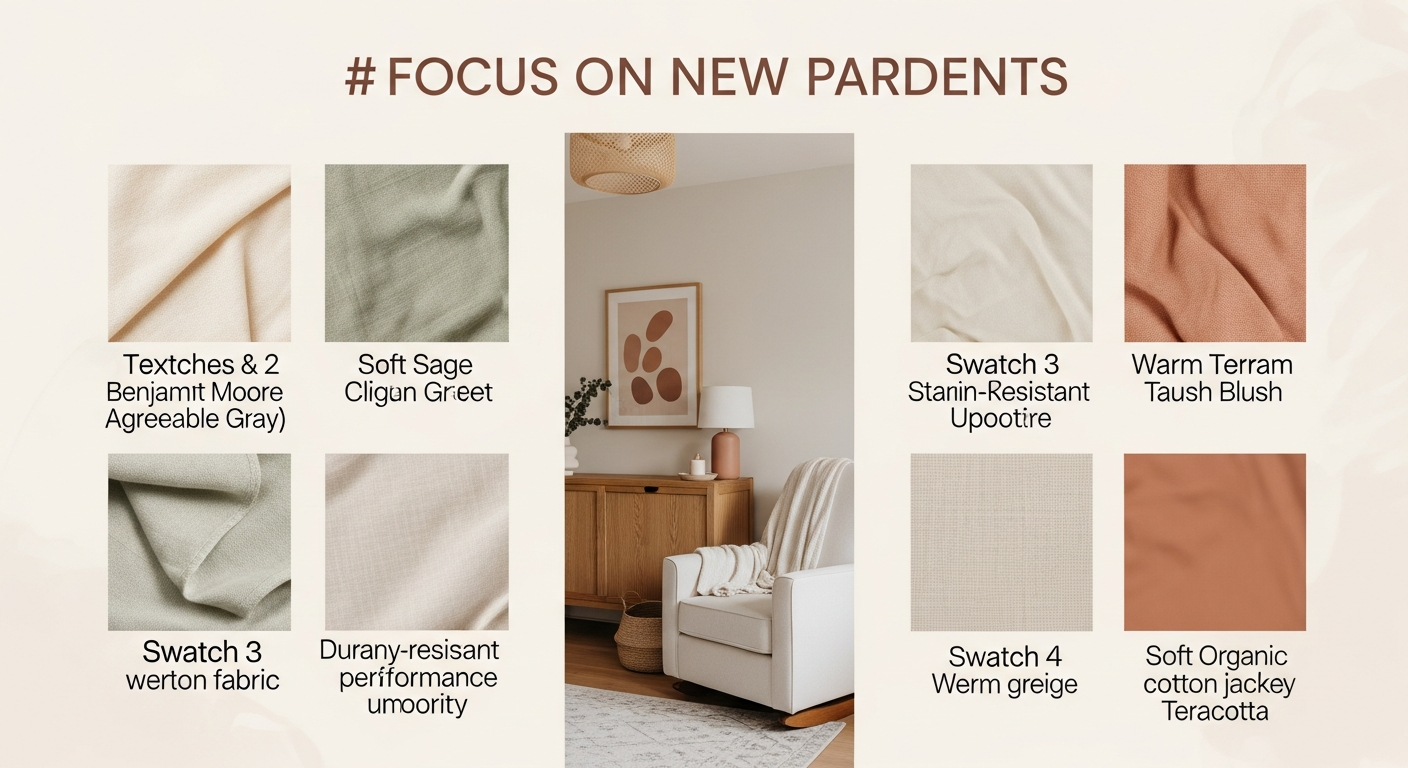
When it comes to walls, paint choice is crucial. Opt for washable, scrubbable paints with a satin or eggshell finish. These finishes are much easier to wipe clean than matte or flat paints, which absorb stains. Consider wainscoting or durable wall panels in high-traffic areas like hallways or playrooms; they add architectural interest and offer an extra layer of protection against scuffs and marks. Even fabrics for furniture need careful consideration. Look for performance fabrics that are stain-resistant, water-repellent, and easy to clean. Many brands now offer beautiful, soft, and durable options that don’t compromise on style, making them perfect for sofas, armchairs, and dining chairs.

Renovating with durability in mind is an investment in your peace of mind. It means less time worrying about messes and more time enjoying your family in a home that looks fantastic and functions flawlessly for years to come.

Smart Home Integration & Future-Proofing Your Sanctuary

The pace of technological advancement means that incorporating smart home features into your renovation isn’t just about luxury; it’s about enhancing convenience, safety, and energy efficiency for your family’s future. For new parents, these technologies can be particularly transformative, offering invaluable assistance in managing a busy household and adapting your home as your child grows. Future-proofing your sanctuary means anticipating future needs and building in flexibility, ensuring your home remains relevant and functional for many years, well beyond 2026.

One of the most immediate benefits of smart home integration for new parents is enhanced safety and monitoring. Smart security cameras, especially those with two-way audio and night vision, are perfect for monitoring nurseries from anywhere in the house or even remotely. Smart smoke and carbon monoxide detectors offer advanced alerts and can even integrate with smart lighting systems to illuminate escape routes in an emergency. Smart locks provide keyless entry and allow you to grant temporary access to caregivers or family members, adding a layer of convenience and security.

Beyond safety, consider the convenience factor. Smart lighting systems allow you to control brightness and color temperature, which is invaluable for creating a calming atmosphere for bedtime or a brighter one for playtime. Imagine dimming the nursery lights with a simple voice command while your hands are full. Smart thermostats learn your family’s preferences, optimizing energy use and ensuring a comfortable temperature around the clock, which is especially important for infants. Automated blinds or shades can help with naptime by blocking out light with a touch of a button or a pre-set schedule.

Future-proofing also extends to the physical infrastructure of your home. During renovations, ensure you install ample data cabling and power outlets, anticipating future technology needs. Think about dedicated charging stations for devices, and consider built-in USB outlets. While wireless technology is prevalent, having hardwired options provides stability and speed for critical devices. Design spaces with flexibility in mind. A nursery today might become a child’s bedroom, then a teen’s study, and eventually a guest room or home office. Built-in shelving that can be reconfigured, modular furniture, and neutral base palettes allow for easy adaptation as needs change.

Storage solutions are also key to future-proofing. As children grow, so does their accumulation of toys, books, and clothes. Incorporate generous built-in storage, adjustable shelving systems, and dedicated mudroom or entryway solutions for shoes, coats, and backpacks. Think vertically to maximize space. A well-designed home adapts and evolves with your family, and smart technology and forward-thinking design choices are central to achieving this adaptability, making your life as a parent simpler and your home more intelligent.

Strategic Budgeting & Phased Renovations: Enhancing Your Home Wisely

Embarking on home renovations, especially with a new baby on the horizon, requires careful financial planning and a strategic approach. It’s easy to get carried away with Pinterest boards and grand visions, but the reality of a growing family often means balancing aspirations with practical financial constraints. This section will guide you through strategic budgeting and the benefits of phased renovations, ensuring you make smart choices that truly enhance your home without undue stress.

The first step in any successful renovation project is establishing a realistic budget. This isn’t just about the cost of materials and labor; it must also account for permits, potential unforeseen issues (always budget an extra 10-15% for contingencies), and the cost of temporary living arrangements if the renovation requires you to vacate your home. Get multiple quotes from reputable contractors and designers, and be transparent about your financial limits. Prioritize your needs over wants. What renovations are essential for safety and functionality with a new baby? What can wait? For instance, creating a safe nursery and optimizing bathroom functionality might take precedence over a full kitchen overhaul.

One of the most effective strategies for new parents is phased renovations. Instead of tackling everything at once, which can be overwhelming both financially and logistically, break your projects down into manageable stages. This allows you to spread costs over time, minimize disruption, and adapt your plans as your family’s needs become clearer. For example, Phase 1 might involve the nursery, critical safety upgrades, and a functional bathroom refresh. Phase 2 could be a kitchen update or living area transformation a year or two down the line. This approach means you can enjoy your new baby without living in a constant construction zone, and you can save up for subsequent phases.

When considering, “Are you ready to enhance your home?” think about the return on investment, not just in terms of resale value, but in terms of daily living and family happiness. Sometimes, smaller, impactful changes can yield significant benefits. For example, a fresh coat of low-VOC paint, updated lighting, or new hardware can refresh a room without a major overhaul. Investing in quality, durable materials in high-traffic areas might have a higher upfront cost but saves money and headaches in the long run due to less need for repairs or replacements.

Don’t be afraid to embrace DIY for certain projects if you have the skills and time, but be realistic about your capabilities, especially with a newborn. Simple tasks like painting, installing shelving, or assembling furniture can be cost-effective DIY projects. However, for structural changes, electrical work, or plumbing, always hire certified professionals. Research local grants or rebates for energy-efficient upgrades, which can help offset costs for things like new windows or insulation, further enhancing your home’s long-term value and comfort.

Strategic budgeting and phased renovations empower you to make thoughtful, informed decisions about your home. It’s about creating a beautiful, functional, and safe environment for your family in a way that is sustainable and aligns with your financial reality, allowing you to truly enhance your home on your own terms.

FAQ: Home Renovations for New Parents

Q1: When is the best time to start renovations when expecting a baby?

A1: Ideally, major renovations should be completed before the third trimester. This allows ample time for any dust or fumes to dissipate and for you to organize and settle into the updated spaces before the baby arrives. Smaller, less disruptive projects can be tackled in the early weeks post-arrival, but anything involving significant noise or disruption is best done beforehand.

Q2: What’s one renovation project new parents should never skip?

A2: Prioritizing safety upgrades is non-negotiable. This includes anchoring heavy furniture, installing child-safe window coverings (cordless), covering electrical outlets, and ensuring good indoor air quality through proper ventilation and low-VOC materials. These are foundational for a child-friendly home.

Q3: How can I make my home more baby-friendly without a full-scale renovation?

A3: Focus on decluttering, organizing with smart storage solutions (baskets, bins, drawer organizers), adding washable slipcovers to furniture, installing dimmer switches for lighting, and adding soft, durable rugs. These small changes can significantly improve functionality and comfort without major construction.

Q4: What are some budget-friendly ways to update a nursery?

A4: A fresh coat of low-VOC paint, DIY wall art, second-hand furniture (cribs must meet current safety standards), clever storage with affordable bins, and soft, layered lighting can transform a nursery on a budget. Focus on textiles like curtains and rugs for warmth and personality.

Q5: How can I ensure my renovation choices are sustainable and healthy for my family?

A5: Opt for low-VOC paints, sealants, and finishes. Choose natural materials like wood, cork, or linoleum over synthetic options where possible. Research furniture and fabrics made from organic or recycled materials. Ensure good ventilation during and after renovations, and consider investing in an air purification system.

Q6: Should I hire a professional interior designer for a baby-focused renovation?

A6: While not always necessary for small updates, a professional interior designer specializing in family-friendly spaces can be invaluable for larger renovations. They can help with space planning, material selection, budgeting, and ensuring all safety and functional aspects are considered, saving you time, stress, and potentially costly mistakes.