The Foundation of Transformation: Planning Your Project Like a Pro
Embarking on a home repair and upstyling journey without a clear plan is like setting sail without a compass – you might get somewhere, but it likely won’t be your desired destination. Strategic planning is the bedrock upon which successful home transformations are built. It allows you to prioritize, budget effectively, and ensure your vision aligns with practical realities.
Assessing Your Home’s Current State: The Grand Tour
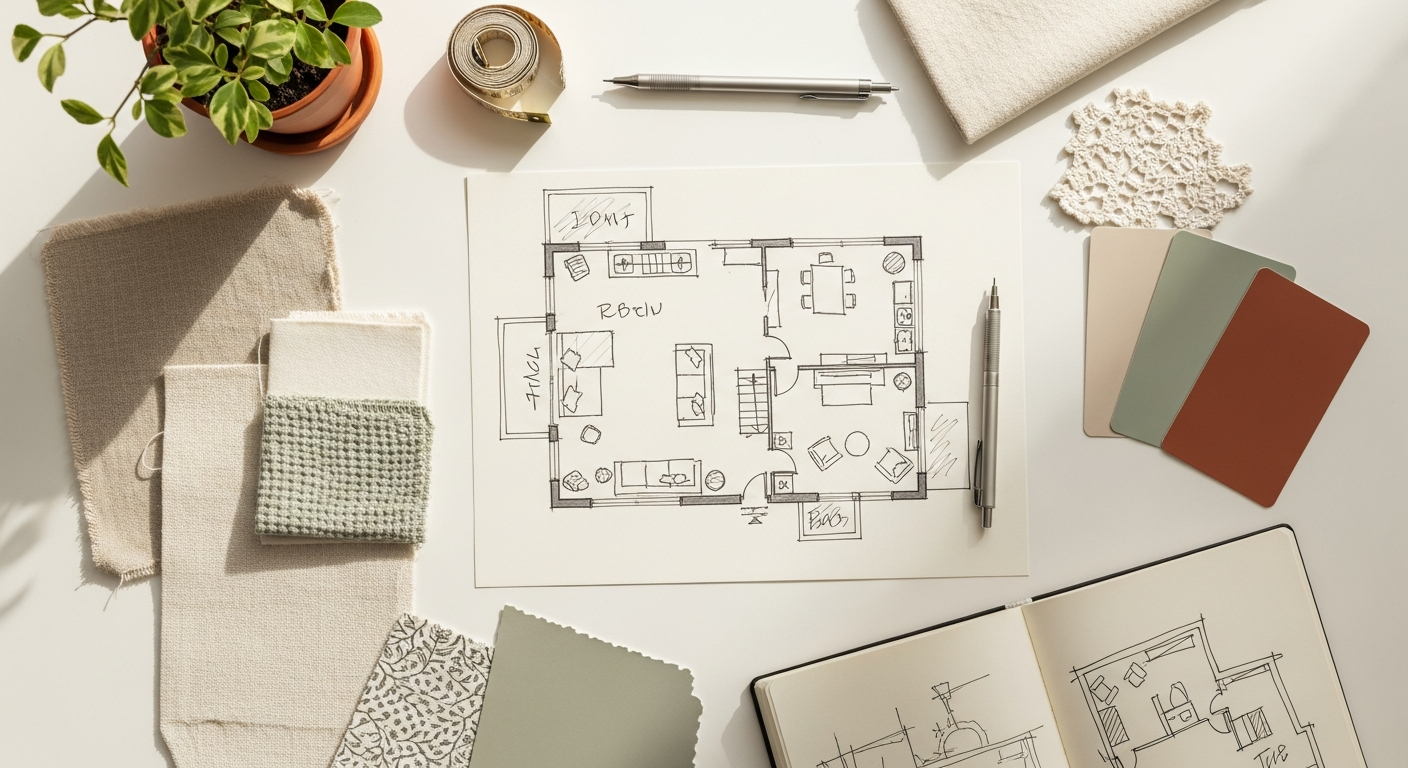
Before any hammer swings or paintbrushes get dipped, take a meticulous tour of your entire home. Grab a notebook, a camera, and a critical eye. What are the obvious issues? What are the subtle nuisances? List everything from the leaky tap in the bathroom to the faded paint in the living room, the wobbly cabinet door, and the lack of proper lighting in the hallway. Document both the functional defects that require repair and the aesthetic elements you wish to change or enhance. Prioritize these items into categories: essential repairs (safety, structural integrity), important repairs (wear and tear affecting daily life), and upstyling desires (aesthetic enhancements). This initial assessment will form the backbone of your project scope.
Setting a Realistic Budget: Your Financial Roadmap
One of the most critical steps in planning is establishing a realistic budget. This isn’t just about how much you can spend, but how wisely you allocate those funds. Start by researching average costs for the repairs and upgrades you’ve identified. Get quotes from professionals for larger jobs. Always, and we mean always, factor in a contingency fund – typically 10-20% of your total budget – for unforeseen issues that inevitably arise. Differentiate between funds allocated for essential repairs and those for upstyling. Sometimes, a repair might uncover a larger problem, so being financially prepared is paramount. Track your expenses diligently to stay on course.
Gathering Inspiration and Defining Your Style: Crafting Your Vision
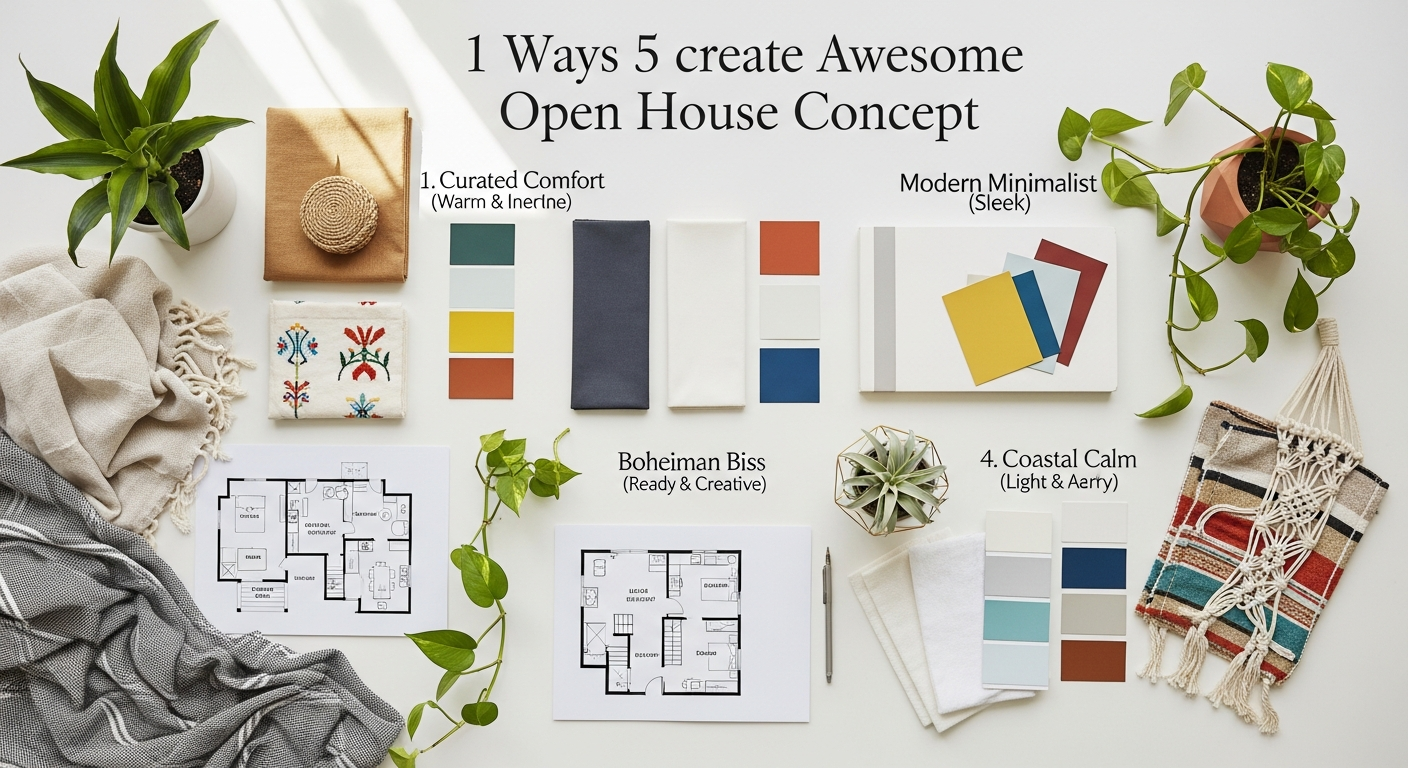
This is the fun part where creativity takes center stage! Dive into interior design magazines, browse Pinterest and Instagram, and explore design blogs (like Layout Scene!). Create mood boards for each room or for your entire home. What colors resonate with you? What textures and materials do you love? Do you lean towards minimalist, bohemian, modern farmhouse, or something entirely unique? Consider your home’s existing architectural style and try to work with it, rather than against it. A cohesive design vision will guide all your choices, from paint colors to furniture selections, ensuring a harmonious and aesthetically pleasing outcome. Remember, are you ready to enhance your home with a style that truly speaks to you?
Essential Repairs First: Building a Strong Canvas for Creativity
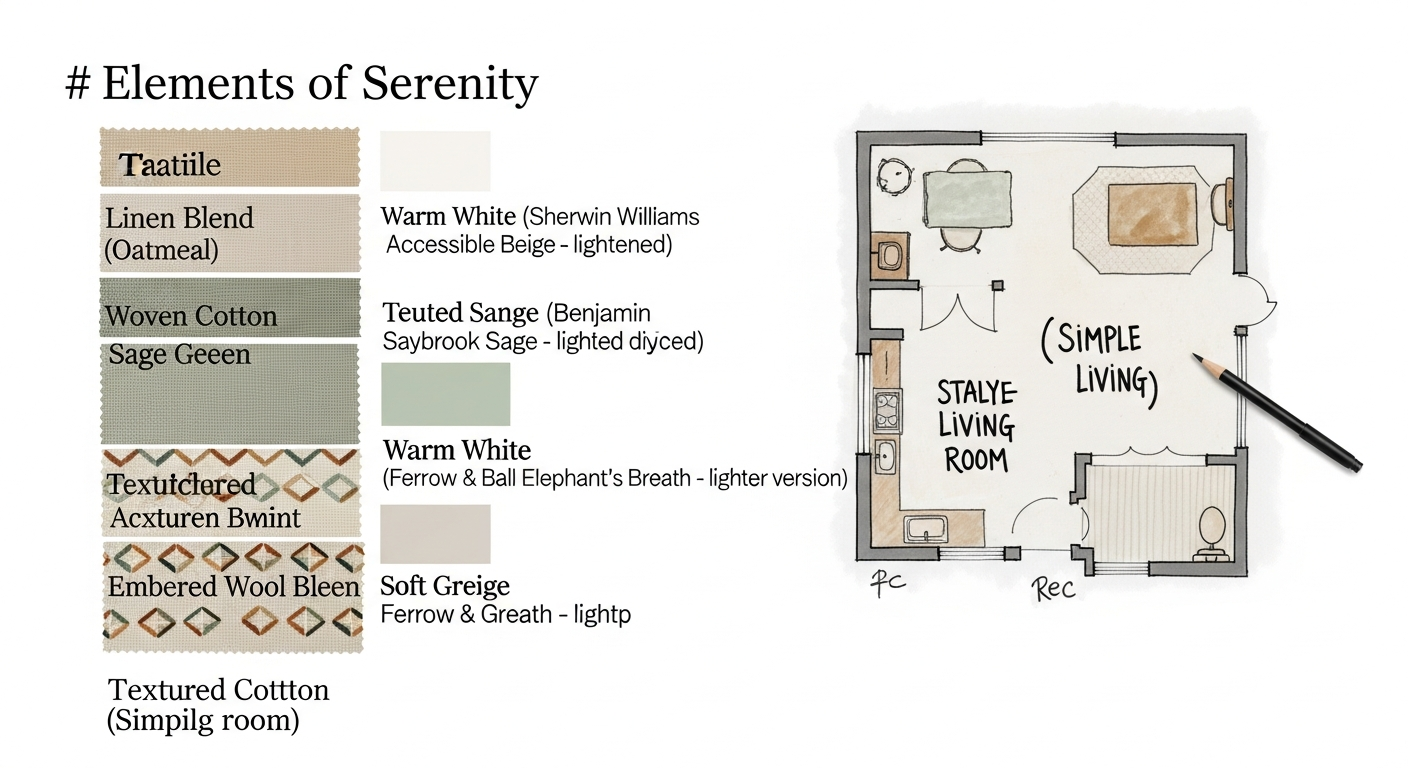
Before you even think about the perfect shade of sage green or that chic new throw pillow, it’s crucial to address the underlying issues. Skipping necessary repairs is like trying to paint a masterpiece on a crumbling wall – it simply won’t last. Focusing on these foundational elements first ensures the safety, longevity, and structural integrity of your home. These are the things you should never neglect in your home.
Addressing Structural Integrity and Safety: The Non-Negotiables
Some repairs are non-negotiable because they impact the safety and fundamental stability of your home. These are the first items on your repair list:
- Foundations and Roof: Cracks in the foundation, sagging roofs, or missing shingles can lead to severe structural damage and water intrusion. These require immediate professional attention.
- Electrical Systems: Outdated wiring, flickering lights, frequently tripped breakers, or warm outlets are serious fire hazards. An electrician should inspect and upgrade your system, ensuring it meets current safety codes and can handle modern power demands.
- Plumbing: Persistent leaks, low water pressure, or clogs can lead to water damage, mold growth, and costly repairs down the line. Address these promptly to prevent further issues.
- HVAC Systems: A malfunctioning heating, ventilation, and air conditioning system not only impacts comfort but can also affect indoor air quality and energy efficiency. Regular maintenance and timely repairs are key.
Ignoring these fundamental repairs can lead to significantly higher costs and safety risks in the future. They are the backbone of a healthy home.
Tackling Wear and Tear: Visible Fixes That Make a Difference
Once the critical structural and safety repairs are handled, you can move on to the more visible signs of wear and tear that, while not immediately dangerous, detract from your home’s appearance and functionality:
- Walls and Ceilings: Patching holes, repairing cracks, and addressing water stains create a smooth, clean surface ready for a fresh coat of paint or wallpaper.
- Flooring: Fixing loose floorboards, replacing chipped tiles, or repairing damaged laminate can dramatically improve a room’s look and prevent tripping hazards.
- Doors and Windows: Repairing sticky doors, loose hinges, broken window panes, or drafty seals enhances security, energy efficiency, and comfort.
- Cabinetry and Built-ins: Tightening loose cabinet doors, repairing drawers, or replacing broken hardware can give your kitchen or bathroom an instant facelift without a full renovation.
These smaller fixes might seem minor, but collectively, they create a sense of order and care that elevates the entire space.
The Importance of a Fresh Start: Declutter and Clean
Before any upstyling begins, a thorough decluttering and deep cleaning are essential. Remove anything that doesn’t belong, donate or discard unused items, and meticulously clean every surface. This clears the slate, allowing you to see your space with fresh eyes and ensures that any new design elements truly shine. A clean, organized home is the best possible canvas for your creative endeavors.
Creative Upstyling: Infusing Personality and Trend-Forward Style
The Power of Paint and Wallpaper: A Splash of New Life
Few things offer as dramatic a transformation for so little investment as paint and wallpaper. Paint can instantly change the mood of a room:
- Color Psychology: Choose colors that align with the room’s purpose. Calming blues and greens for bedrooms, vibrant yellows for creative spaces, warm neutrals for living areas.
- Accent Walls: A single accent wall in a bold color or a patterned wallpaper can create a focal point and add architectural interest without overwhelming the space.
- Textural Finishes: Beyond solid colors, consider paints with subtle textures or limewash effects for an organic, sophisticated feel.
- Wallpaper Wonders: From delicate botanicals to geometric patterns, wallpaper is back in a big way for 2026. Peel-and-stick options make it a fantastic DIY-friendly upstyle.
Don’t forget ceilings and trim! A fresh coat of white on the ceiling can brighten a room, while contrasting trim can add definition.
Furniture Revitalization and Repurposing: Sustainable Chic
You don’t always need new furniture to achieve a fresh look. Look at your existing pieces with new eyes:
- Paint It: A dated dresser or console table can be transformed with a fresh coat of paint, perhaps in a trendy color or with a distressed finish.
- New Hardware: Swapping out old knobs and pulls on cabinets and dressers for modern, brass, or leather alternatives is a small change with a huge impact.
- Upholstery Update: A sturdy armchair with tired fabric can be reupholstered, giving it a second life and allowing you to introduce new textures and patterns.
- Repurpose Creatively: Could an old ladder become a shelving unit? Can vintage suitcases serve as unique side tables? Think outside the box for sustainable, character-filled pieces.
Rearranging existing furniture can also dramatically alter the flow and feel of a room, creating new zones and focal points.
Lighting: The Unsung Hero of Ambiance and Functionality
Often overlooked, lighting is paramount to a home’s aesthetic and mood. Smart lighting design involves layering different types of light:
- Ambient Lighting: The general illumination of a room, typically from overhead fixtures. Upgrade dated chandeliers or flush mounts with more contemporary designs.
- Task Lighting: Focused light for specific activities, like reading lamps next to a sofa or under-cabinet lighting in the kitchen.
- Accent Lighting: Used to highlight architectural features, artwork, or plants, adding depth and drama. Dimmer switches are essential for creating flexible moods.
- Smart Lighting Solutions: For 2026, integrating smart bulbs and systems allows you to control brightness, color temperature, and even schedule lighting from your phone, enhancing both convenience and ambiance.
The right lighting can make a small room feel larger, a dark room feel brighter, and any room feel more inviting.
Textiles and Decor: Adding Layers of Comfort and Style
These are the finishing touches that bring warmth, personality, and cohesion to your upstyled home:
- Rugs: A well-chosen rug can define a space, add warmth, introduce color and pattern, and even absorb sound.
- Curtains and Blinds: Update heavy, dated drapes with lighter, more modern fabrics that complement your new color scheme. Consider sheer curtains for soft light or smart blinds for convenience.
- Throw Pillows and Blankets: These are easy and affordable ways to inject color, texture, and comfort, and they can be swapped out seasonally.
- Artwork and Mirrors: Curate a gallery wall, hang a large statement piece, or strategically place mirrors to reflect light and make spaces feel larger.
- Plants: Greenery brings life, freshness, and a touch of nature indoors, improving air quality and aesthetics.
- Personal Touches: Display curated collections, travel souvenirs, or family photos to make your space uniquely yours and tell your story.
Room-Specific Transformations for Maximum Impact
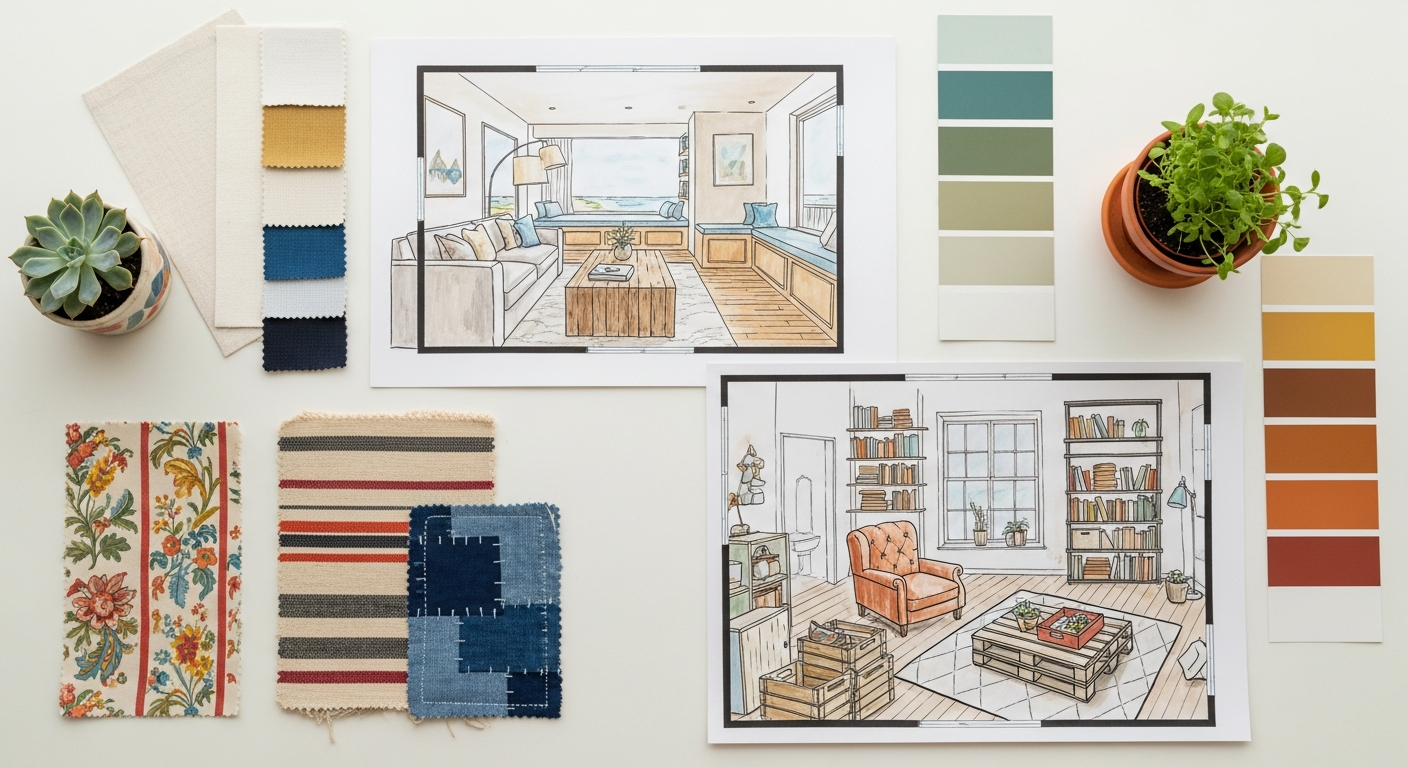
While general principles apply, each room in your home has unique needs and opportunities for upstyling. Tailoring your approach to specific spaces can yield incredible results.
The Heart of the Home: Kitchen Upgrades That Delight
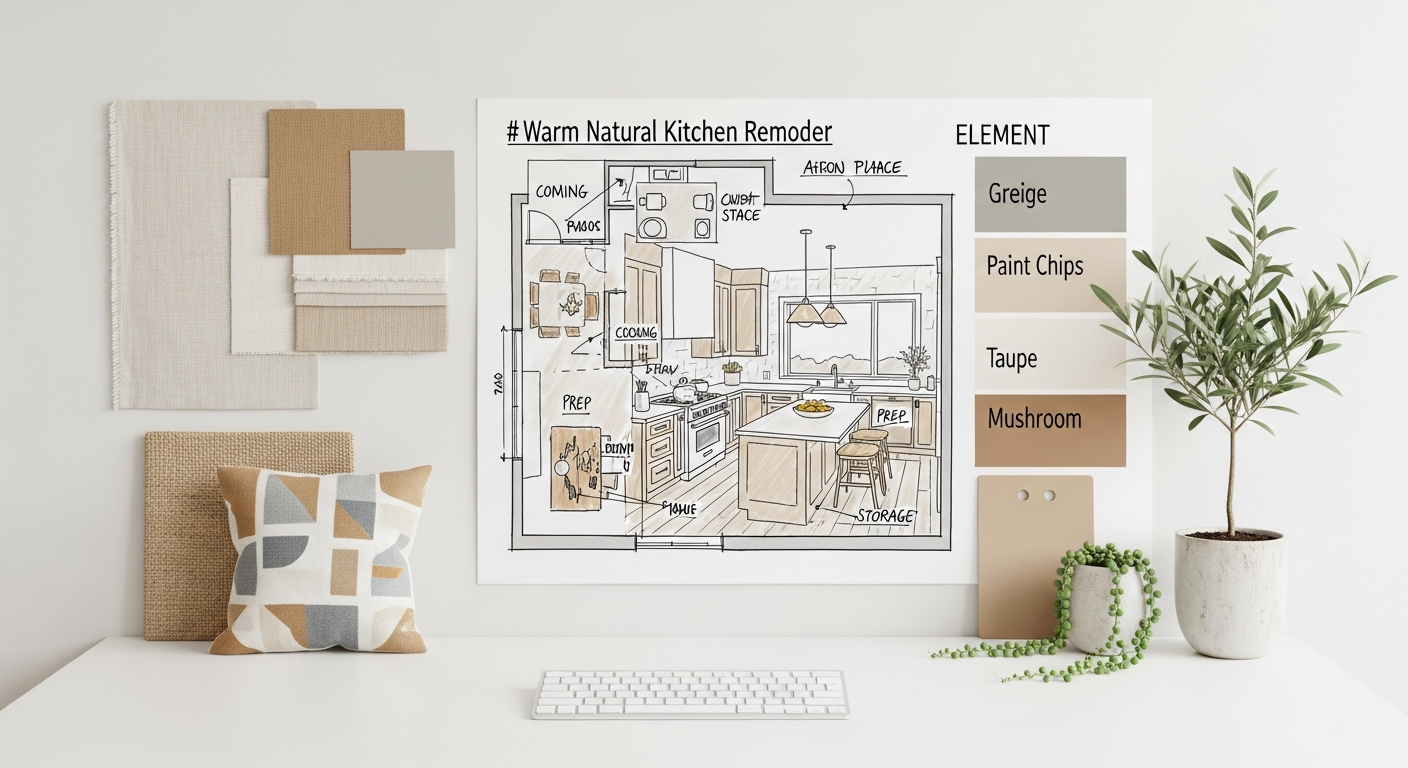
The kitchen is often the busiest room and a major selling point. Even without a full gut renovation, significant upstyling is possible:
- Cabinet Refacing or Painting: If your cabinet boxes are solid, consider painting them a fresh color (e.g., trending greens, deep blues, or classic whites for 2026) or replacing just the doors and drawer fronts for a brand-new look at a fraction of the cost of new cabinets.
- Countertop Alternatives: Beyond expensive stone, options like butcher block, concrete overlays, or even high-quality laminate can provide a modern, durable surface. Some DIYers even use epoxy kits to mimic the look of marble or granite.
- Backsplash Magic: A new backsplash can dramatically change the kitchen’s aesthetic. Subway tiles, patterned ceramics, or even peel-and-stick options offer a range of styles.
- Hardware and Faucets: Swapping out dated cabinet pulls and faucets for contemporary designs in finishes like matte black, brushed brass, or polished chrome instantly updates the space.
- Lighting: Add under-cabinet lighting for task illumination, and upgrade pendant lights over an island or dining area.
Sanctuary Refresh: Bathroom Enhancements for Functionality and Flair
The bathroom, a place of personal rejuvenation, benefits greatly from thoughtful repairs and upstyling. Let’s explore 3 ways to improve the functionality of your bathroom while elevating its style:
Way 1: Smart Storage Solutions to Declutter and Organize
A cluttered bathroom is anything but a sanctuary. Improving storage is key to functionality:
- Floating Shelves: Install stylish floating shelves above the toilet or next to the vanity for open storage of towels, toiletries, or decorative items.
- Recessed Niches: If renovating, consider adding recessed niches in the shower wall for shampoo and soap, eliminating unsightly caddies.
- Vanity Organization: Utilize drawer dividers, under-sink organizers, and clear bins to keep essentials tidy and accessible.
- Medicine Cabinet Upgrade: Replace an old, shallow medicine cabinet with a larger, mirrored one that offers more storage and often includes interior lighting or charging ports.
Way 2: Elevated Fixtures and Finishes for a Modern Aesthetic
Updating key elements can make a bathroom feel brand new without extensive demolition:
- New Faucets and Showerheads: Replace old, corroded fixtures with sleek, water-efficient models. Consider rain showerheads or handheld sprays for a spa-like experience.
- Vanity Top and Sink: If your vanity base is still good, simply replace the countertop and sink. Cultured marble can be swapped for quartz, granite, or a solid surface.
- Paint or Wallpaper: A fresh coat of paint in a moisture-resistant formula can brighten the space. For a bold statement, use a water-resistant wallpaper on an accent wall.
- Tile Refresh: If new tiles aren’t in the budget, deep clean grout lines and apply a grout sealer or even a grout paint for a fresh look. Re-caulking around tubs and sinks makes a huge difference.
Way 3: Lighting and Ambiance for a Spa-Like Experience
The right lighting and decorative elements can transform a utilitarian bathroom into a relaxing retreat:
- Layered Lighting: Combine overhead ambient lighting (perhaps with a dimmer) with task lighting around the mirror (sconces or a vanity bar) for optimal visibility for grooming.
- Decorative Elements: Add a plush bath mat, luxurious towels, a fragrant diffuser, and a small plant. A framed piece of art or a decorative mirror can elevate the space.
- Shower Curtain or Glass Door: Replace a dingy shower curtain with a fresh, stylish one, or consider installing a frameless glass shower door for an open, airy feel if budget allows.
Living Spaces: Comfort Meets Contemporary Design
Your living room is where memories are made. Upstyling here focuses on comfort, flow, and personality:
- Zone Creation: Use rugs, furniture arrangement, and lighting to define distinct zones for conversation, reading, or entertainment, especially in open-plan layouts.
- Statement Pieces: Invest in one or two key pieces that draw the eye, whether it’s a unique coffee table, an striking piece of art, or a beautifully upholstered accent chair.
- Gallery Walls: Curate a collection of art, photographs, and decorative items for a personalized gallery wall that tells your story.
- Smart Technology Integration: Seamlessly integrate smart TVs, sound systems, and voice assistants into your living space for convenience without clutter.
Bedroom Bliss: Crafting Your Personal Retreat
The bedroom should be a sanctuary. Focus on creating a serene, comfortable, and personalized space:
- Headboard DIYs: Craft a custom headboard using reclaimed wood, upholstered panels, or even a statement piece of fabric for a unique focal point.
- Bedding and Textiles: Invest in high-quality bedding, layered with throws and pillows, to create a luxurious and inviting feel. Consider natural fibers for comfort.
- Serene Color Palettes: Opt for calming colors – soft blues, greens, grays, or warm neutrals – to promote relaxation and restful sleep.
- Lighting for Mood: Use bedside lamps with warm light and dimmers to create a cozy atmosphere.
Embracing Sustainability and Smart Home Integration for 2026
As we look towards 2026, home upstyling isn’t just about aesthetics; it’s also about making eco-conscious choices and integrating technology for a more efficient and convenient lifestyle. These elements not only enhance your home but also contribute to a better future.
Eco-Friendly Material Choices: Design with a Conscience
Sustainable design is no longer a niche trend but a core principle of modern living. When selecting materials for your repairs and upstyles:
- Low VOC Paints: Choose paints with low or zero volatile organic compounds to improve indoor air quality.
- Reclaimed and Recycled Materials: Incorporate reclaimed wood for shelves, countertops, or accent walls. Opt for tiles made from recycled content.
- Energy-Efficient Windows and Insulation: If replacing windows, choose energy-star rated options. Improve insulation in walls and attics to reduce energy consumption.
- Sustainable Flooring: Consider bamboo, cork, or responsibly sourced hardwood, or carpets made from recycled fibers.
- Water-Saving Fixtures: Install low-flow toilets, showerheads, and faucets to reduce water usage.
These choices not only benefit the environment but can also lead to long-term cost savings on utility bills.
Smart Home Technology for Enhanced Living: The Connected Home
Integrating smart home technology seamlessly enhances both functionality and comfort. For 2026, the focus is on intuitive, interconnected systems:
- Smart Thermostats: Learn your habits and adjust temperatures automatically, saving energy and ensuring comfort.
- Smart Lighting: Control lights from your phone, set schedules, or integrate with voice assistants for hands-free operation.
- Smart Security Systems: Integrate cameras, doorbells, and sensors for peace of mind.
- Voice Assistants: Use devices like Amazon Echo or Google Home to control various smart devices, play music, or get information, centralizing your home’s control.
- Smart Appliances: Consider appliances that can be controlled remotely, offering convenience and efficiency.
The goal is to enhance daily living without making your home feel like a tech showroom. Focus on solutions that truly simplify and improve your life.
Longevity and Timeless Design: Investing in the Future
While trends are inspiring, aiming for a balance between contemporary style and timeless design ensures your upstyles remain relevant for years to come. Invest in quality materials and classic pieces that will endure. Neutrals often provide a timeless backdrop, allowing you to introduce trending colors and patterns through easily changeable accessories. This approach minimizes the need for frequent, large-scale renovations, making your home both stylish and sustainable.
DIY vs. Professional: Knowing Your Limits and Maximizing Value
One of the biggest decisions in any home repair or upstyling project is determining what you can tackle yourself and when it’s best to call in the experts. Making the right choice can save you time, money, and headaches.
Assessing Your Skills and Time: The DIY Self-Assessment
Before you dive into a DIY project, be honest about your skills, experience, and the time you have available. Simple tasks like painting a room, installing new cabinet hardware, or patching small holes are often excellent DIY projects for beginners. They offer a sense of accomplishment and significant cost savings. However, complex projects involving plumbing, electrical work, structural changes, or intricate tiling require specialized knowledge and tools. Consider the true cost of DIY: not just materials, but also the time investment, potential for errors (which can be costly to fix), and the quality of the finished product. If a project feels overwhelming or beyond your skill set, it’s a sign to reconsider.
When to Hire a Professional: Expertise Where It Counts
For certain aspects of repairing and upstyling your home, hiring a professional is not just recommended, but often essential for safety, compliance, and quality:
- Electrical Work: Any wiring, circuit breaker changes, or new outlet installations should be handled by a licensed electrician to ensure safety and adherence to codes.
- Plumbing: Major pipe replacements, water heater installations, or complex leak repairs are best left to a professional plumber.
- Structural Changes: Removing walls, adding supports, or addressing foundation issues absolutely require structural engineers and experienced contractors.
- HVAC System Work: Installation, major repairs, or ductwork should be performed by certified HVAC technicians.
- Large-Scale Tiling or Flooring: While small tiling jobs can be DIY, large areas or complex patterns often benefit from a professional’s precision and speed.
- Custom Cabinetry or Built-ins: For seamless, high-quality custom work, a skilled carpenter or cabinet maker is invaluable.
Investing in professional help for these critical areas ensures the work is done correctly, safely, and to a high standard, which can actually save you money in the long run by avoiding costly mistakes and future repairs. Moreover, professional work can significantly enhance your home’s resale value.
Finding Reputable Contractors and Designers: Your Trusted Partners
When you do decide to hire professionals, do your homework:
- Get Referrals: Ask friends, family, and neighbors for recommendations.
- Check Reviews and Portfolios: Look at online reviews (Google, Yelp, Houzz) and browse their past projects.
- Obtain Multiple Quotes: Get at least three detailed bids for the same scope of work to compare costs and approaches.
- Verify Credentials: Ensure contractors are licensed, bonded, and insured.
- Get Everything in Writing: Demand a clear, detailed contract outlining the scope of work, timeline, payment schedule, and materials.
- Communicate Clearly: Maintain open and honest communication throughout the project to ensure expectations are met.
A good contractor or designer will be a partner in your project, helping you navigate the complexities and achieve your vision efficiently and beautifully.