1. Master the Art of Smart Storage Solutions
The perennial struggle in nearly every bathroom, regardless of size, is storage. Clutter doesn’t just look messy; it creates friction in your daily routine, turning what should be a calming space into a source of stress. Improving bathroom functionality often begins and ends with ingenious storage solutions that hide necessities, organize essentials, and make everything easily accessible. Think beyond the basic vanity cabinet; the world of bathroom storage in 2026 is dynamic, integrated, and incredibly smart.
Maximizing Vertical Space and Built-Ins
One of the most underutilized assets in any bathroom is vertical space. Walls are not just for mirrors and art; they are prime real estate for storage. Tall, slender linen towers can fit into surprisingly tight corners, offering ample shelving for towels, toiletries, and cleaning supplies. Open shelving, while requiring a more curated approach to keep things tidy, can add visual interest and provide easy access to frequently used items. For a seamless and custom look, consider built-in solutions. Recessed medicine cabinets are a classic example, providing hidden storage without protruding into the room. Shower niches, integrated directly into the wall during construction, keep shampoos and soaps off the shower floor, maintaining a clean aesthetic and preventing the accumulation of grime that can be a nuisance later on. These seemingly small details contribute significantly to the overall functionality and ease of maintenance, addressing one of the “Things you should never neglect in your home” – keeping wet areas clean and organized to prevent mold and mildew.
Ingenious Drawer and Cabinet Organization
Even the most spacious vanity can become a chaotic abyss without proper internal organization. Start by decluttering mercilessly – if you haven’t used it in six months, chances are you don’t need it. Once you’ve streamlined your inventory, invest in drawer dividers, pull-out trays, and tiered organizers. These tools transform deep, cavernous spaces into segmented, highly functional zones. Imagine pull-out shelves under the sink that bring everything to you, rather than forcing you to stoop and search. Custom inserts for makeup, hair tools, and dental hygiene products ensure everything has a designated home. For a truly luxurious touch, consider integrated power outlets within drawers for hair dryers and electric toothbrushes, keeping cords out of sight and counters clear. This level of detail not only improves daily efficiency but also protects your appliances from moisture and damage, preventing wear and tear that could lead to “Why are some home repairs so expensive” if replacements are frequently needed.
Mirrored Storage and Wall-Mounted Wonders
Mirrors are a non-negotiable in any bathroom, so why not make them work harder? Mirrored cabinets have evolved far beyond the basic medicine cabinet. Modern iterations often feature interior lighting, defogging capabilities, and even integrated charging ports for devices. These units offer significant storage without adding visual bulk to the room, making them perfect for smaller bathrooms. Furthermore, wall-mounted solutions like floating shelves, toilet-top cabinets, and magnetic strips for small metal items (like tweezers or nail clippers) free up valuable counter space and keep essentials within easy reach. The clever integration of storage into existing features or onto unused wall space demonstrates a sophisticated approach to design that prioritizes both aesthetics and practical utility, ensuring every item has its place and contributing to a serene, organized environment.
2. Optimize Layout and Flow for Seamless Movement
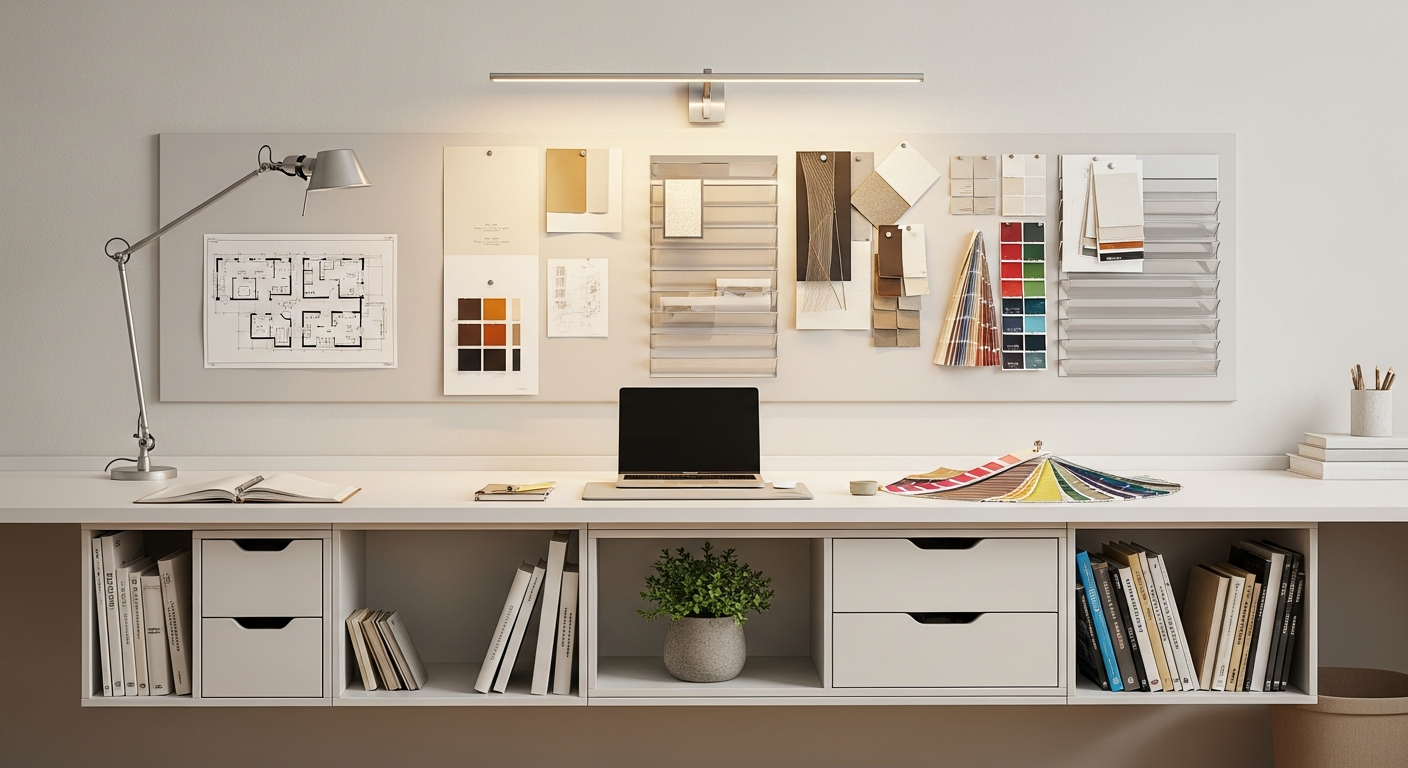
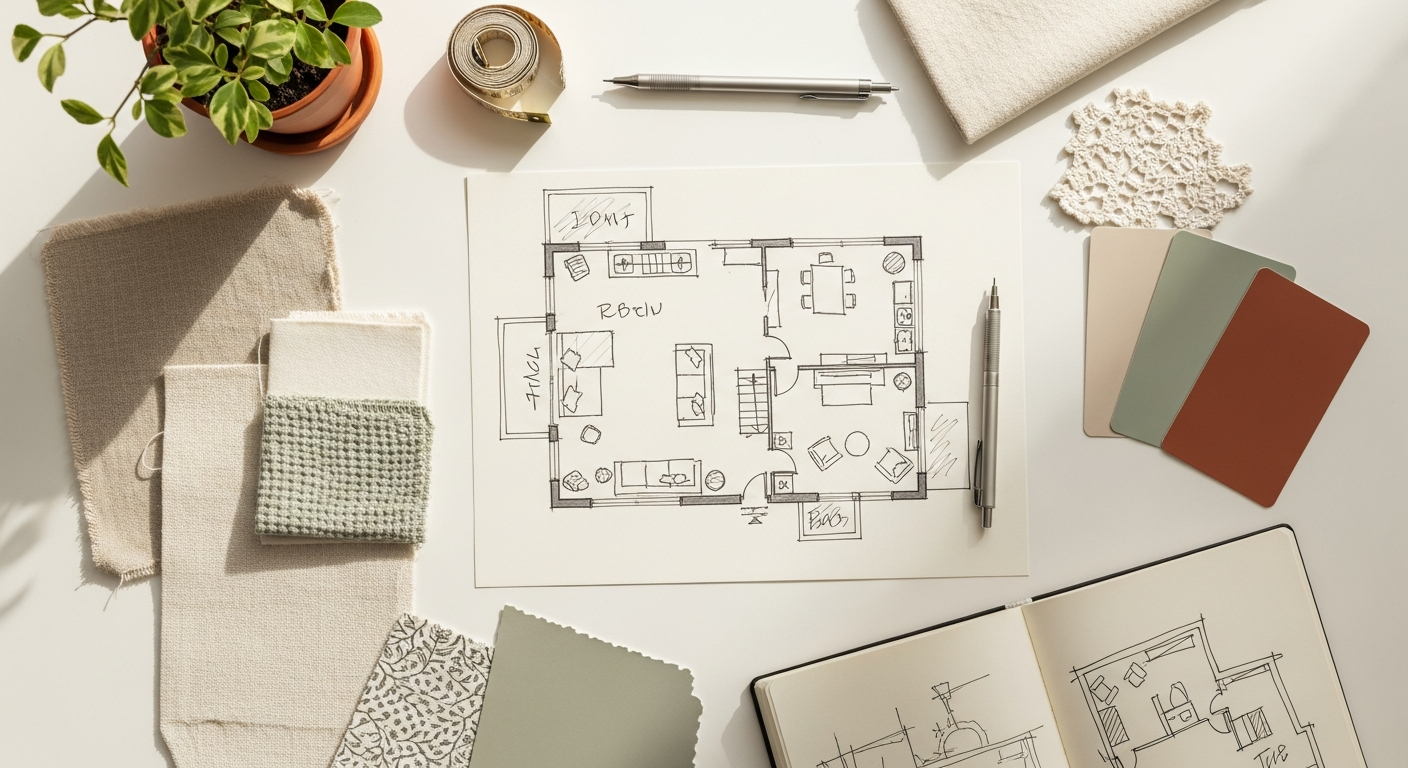
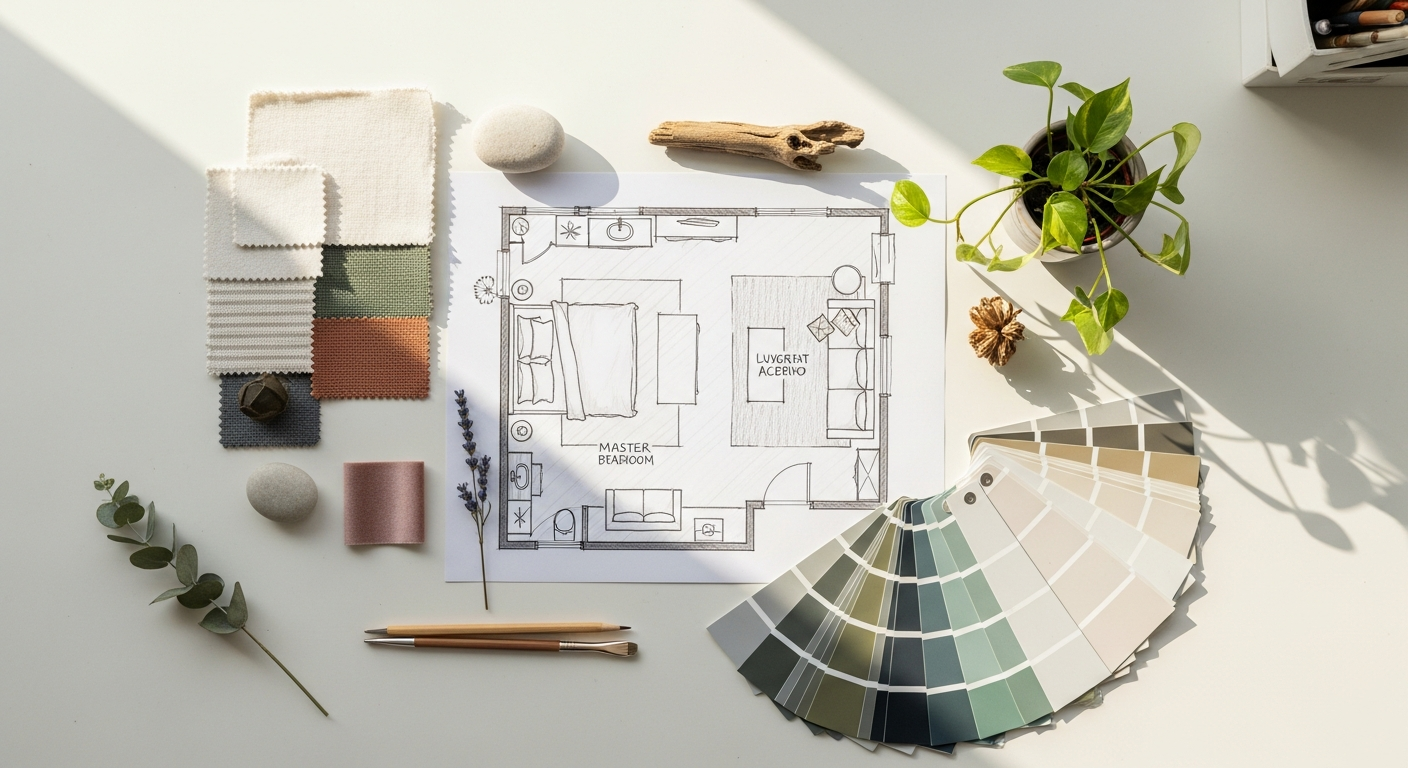
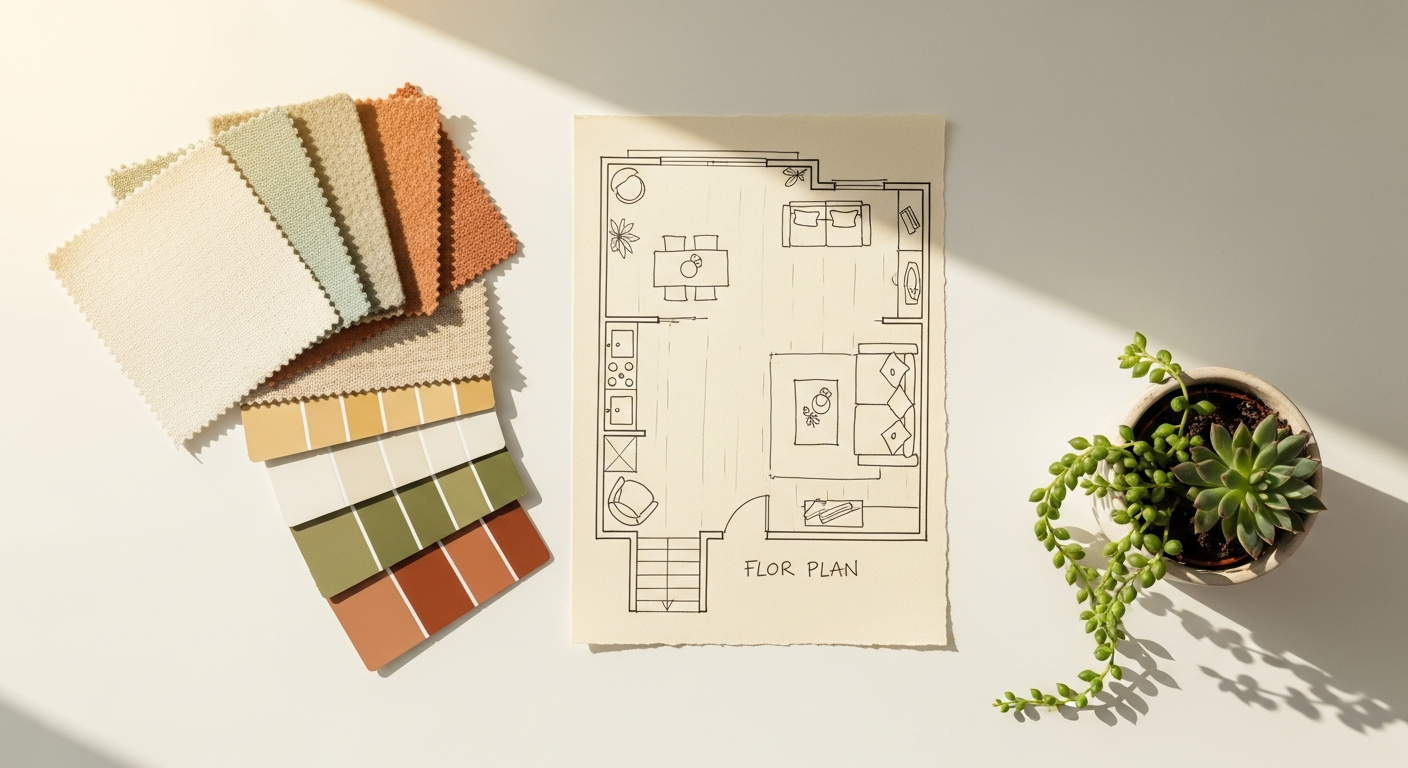
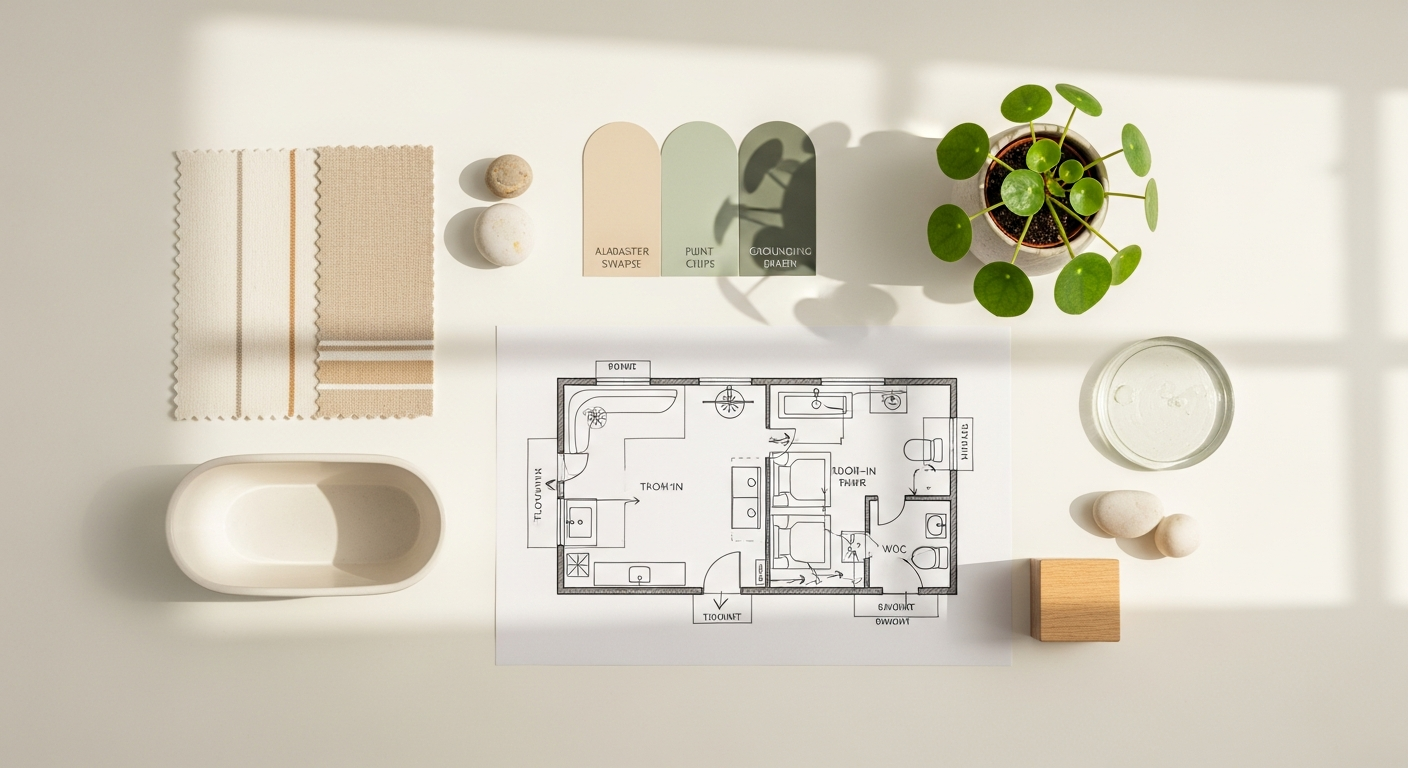
Beyond what you store, how you move within your bathroom dramatically impacts its functionality. A poorly planned layout can lead to constant bumping, awkward maneuvering, and a general feeling of constriction, even in a generously sized room. Optimizing the layout and flow is about creating intuitive pathways, defining functional zones, and making every entry and exit effortless. This is where strategic design truly shines, transforming a collection of fixtures into a cohesive, highly efficient space.
Zoning for Purpose and Privacy
Effective bathroom design often involves thoughtful zoning. Consider separating the “wet zone” (shower, tub) from the “dry zone” (vanity, toilet) to enhance comfort and reduce maintenance. In larger bathrooms, a separate water closet for the toilet offers an added layer of privacy and allows multiple people to use the bathroom simultaneously without discomfort. Even in smaller spaces, careful placement can create the illusion of zones. For instance, placing the toilet in a less prominent corner or behind a half-wall can improve the overall aesthetic and sense of privacy. When planning these zones, think about the natural sequence of activities – from washing hands at the vanity, to showering, to using the toilet. A smooth transition between these activities is key to an optimized flow.
Strategic Fixture Placement and Space-Saving Doors
The placement of your major fixtures – toilet, vanity, shower, and tub – is paramount. In general, try to keep the toilet out of direct sightline from the doorway. The vanity should be easily accessible, ideally with enough counter space on either side for daily essentials. Showers and tubs, especially walk-in showers, can be positioned to open up the room. For smaller bathrooms, a curbless shower with a glass enclosure can make the space feel much larger and more accessible. When it comes to doors, traditional swing doors can eat up valuable floor space. Consider alternatives like pocket doors, which slide into the wall, or barn doors, which slide along the wall. These options free up precious square footage that can then be used for additional storage, a larger vanity, or simply more breathing room. The initial investment in a well-planned layout can save homeowners significant money and frustration down the line, highlighting “Why are some home repairs so expensive” when attempting to retrofit a fundamentally flawed design.
Embracing Ergonomics and Visual Expansiveness
Ergonomics play a crucial role in bathroom functionality. Ensure your vanity is at a comfortable height for all users (often 34-36 inches for adult-friendly comfort, compared to traditional 30-32 inches). Toilets with comfort height can also improve usability, especially for those with mobility considerations. Beyond physical comfort, consider visual ergonomics. Floating vanities, for instance, create an open space beneath them, making the room feel larger and lighter. Large format tiles with minimal grout lines can also contribute to a sense of expansiveness and are easier to clean. Strategically placed mirrors can reflect light and create the illusion of greater depth. The goal is to create a space that feels intuitive, comfortable, and visually uncluttered, where every element contributes to an effortless user experience. A bathroom that is well-designed for current and future needs is a prime example of “Things you should never neglect in your home,” ensuring long-term usability and enjoyment.
3. Integrate Smart Technology and Ergonomics for Enhanced Experience
Intelligent Lighting and Climate Control
Lighting is paramount in a functional bathroom. Smart lighting systems allow you to adjust brightness and color temperature to suit different moods and tasks – bright, cool light for morning routines, and warm, dim light for relaxing evening soaks. Motion-activated night lights can guide you safely in the dark without harsh illumination. Beyond lighting, smart climate control can transform comfort. Heated floors provide luxurious warmth on chilly mornings, and smart thermostats can pre-heat the room before you even step in. Towel warmers are another small luxury that offers immense comfort and functionality, ensuring a cozy towel awaits you after every shower. These thoughtful additions enhance comfort and can even contribute to energy efficiency if programmed correctly, much like how “3 reasons to cover a pool or outdoor spa” might include energy savings and extended usability.
Advanced Fixtures and Personalized Showers
The latest generation of bathroom fixtures incorporates remarkable technology. Sensor-activated faucets reduce water waste and improve hygiene. Smart toilets offer features like automatic flushing, bidet functions with adjustable water temperature and pressure, heated seats, and even air purification. These not only enhance comfort and cleanliness but also offer accessibility benefits. Perhaps the most impactful technological integration is in the shower. Programmable shower systems allow you to set your preferred water temperature, pressure, and even sequence multiple showerheads or body sprays with a simple touch. Some systems can even connect to your smart home ecosystem, allowing you to start your shower from your bed. Imagine a personalized showering experience tailored to your exact preferences, ready for you every morning. This level of customization elevates the daily routine into a spa-like experience, demonstrating how modern tech can profoundly improve functionality.
Smart Mirrors and Health Integration
The bathroom mirror has evolved into a central hub for smart technology. Modern smart mirrors can feature integrated LED lighting, defogging capabilities, and touch screens that display the time, weather, news, or even stream music or videos. Some advanced models can even analyze your skin, offer virtual makeup application guides, or connect to health apps to track your vital signs. While some of these features might seem extravagant, they represent a trend towards making the bathroom a wellness zone. Imagine getting your daily news brief while brushing your teeth, or checking your skin health as part of your morning routine. This integration of information and personal care tools within the bathroom streamlines your morning and evening rituals, making them more efficient and enjoyable. The strategic integration of such technologies ensures your bathroom remains cutting-edge and highly functional for years to come, a vital consideration to avoid the costly overhauls that explain “Why are some home repairs so expensive” when systems quickly become obsolete.
4. Beyond the Big Three: The Crucial Role of Lighting, Materials, and Accessibility
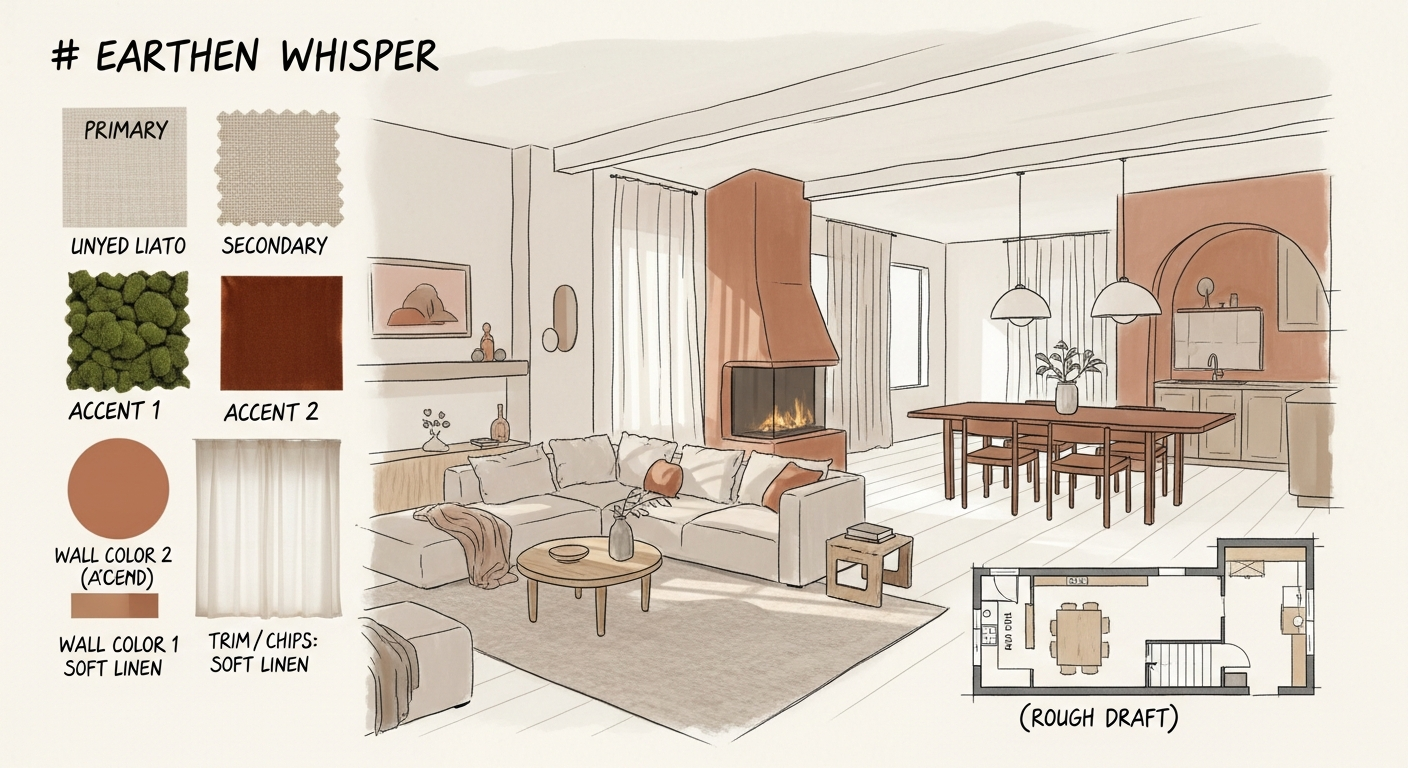
While smart storage, optimized layout, and integrated technology form the core of bathroom functionality improvements, several other elements play equally critical roles in perfecting the space. Lighting, the choice of materials, and a focus on accessibility are often the unsung heroes that elevate a good bathroom to an exceptional one, ensuring it meets diverse needs and stands the test of time.
Layered Lighting for Every Task and Mood
Effective lighting is not just about brightness; it’s about layering different types of light to serve various functions. Ambient lighting, typically from recessed overhead fixtures, provides general illumination. Task lighting, crucial for grooming, should be placed strategically around the mirror (sconces on either side or an overhead light with good diffusion) to eliminate shadows on the face. Accent lighting, perhaps from a decorative pendant or LED strips under a floating vanity, can highlight architectural features or create a relaxing mood. Natural light is also a powerful asset; maximizing it through windows, skylights, or even light tubes can make a bathroom feel larger, brighter, and more inviting, while reducing the need for artificial light during the day. A well-lit bathroom is safer, more pleasant, and makes daily tasks significantly easier, directly addressing “Things you should never neglect in your home” by ensuring a safe and well-utilized space.
Selecting Durable, Easy-to-Maintain Materials
The materials you choose for your bathroom surfaces have a profound impact on both aesthetics and functionality. Given the high-moisture environment, durability, water resistance, and ease of cleaning are paramount. Porcelain and ceramic tiles remain popular choices for floors and walls due to their resilience and vast design options. For countertops, quartz is an excellent choice, offering a non-porous surface that resists stains and bacteria, requiring minimal maintenance. Solid surface materials and high-quality laminates also provide functional and stylish options. When selecting materials, think long-term. Investing in high-quality, moisture-resistant, and easy-to-clean surfaces will not only maintain your bathroom’s pristine appearance but also prevent costly issues down the line. Neglecting material quality can lead to premature wear, water damage, and mold, contributing to “Why are some home repairs so expensive” when you have to replace entire sections due to poor initial choices.
Designing for Universal Accessibility and Future Needs
A truly functional bathroom is one that can be comfortably and safely used by everyone, regardless of age or physical ability. Embracing universal design principles ensures your bathroom remains functional for years to come, adapting to changing needs. This includes features like wider doorways (at least 34-36 inches), curbless showers that allow for easy entry and exit (and are also incredibly stylish), and grab bars that can be discreetly integrated into the design. Adjustable-height showerheads, comfort-height toilets, and lever handles on faucets are small changes that make a big difference. Even if accessibility isn’t an immediate concern, designing with these principles in mind is a smart investment in your home’s future. It avoids the need for expensive and disruptive renovations later on and ensures that your bathroom remains a comfortable and safe space for all occupants, making it a critical “Thing you should never neglect in your home” for long-term comfort and property value.
5. The Investment Perspective: Why Functionality Matters Long-Term
When considering bathroom improvements, it’s easy to get caught up in the immediate costs. However, viewing functionality upgrades as an investment, rather than just an expense, reveals their true long-term value. A highly functional bathroom not only enhances your daily life but also significantly contributes to your home’s overall worth and prevents a host of future headaches, positioning it as a wise financial decision as we look towards 2026 and beyond.
Boosting Home Value and Appeal
Prospective homebuyers consistently rank updated bathrooms and kitchens as top priorities. A bathroom that boasts smart storage, an optimized layout, and modern, reliable fixtures is a major selling point. It signals to buyers that the home has been well-maintained and thoughtfully upgraded, offering immediate usability without the need for additional renovation work. Features like heated floors, a walk-in shower, or integrated smart tech can elevate your home above the competition, justifying a higher asking price. The return on investment (ROI) for bathroom remodels, particularly those focused on practical improvements, is often substantial, making it a smart way to allocate renovation funds.
Preventing Costly Future Repairs and Maintenance
This is where the direct link to “Why are some home repairs so expensive” becomes crystal clear. Investing in high-quality, durable materials and professional installation for functional upgrades can prevent a cascade of expensive problems down the line. For example, using proper waterproofing techniques in a curbless shower installation, selecting moisture-resistant materials, and ensuring adequate ventilation can prevent mold growth, water damage, and structural issues that are incredibly costly to remediate. A robust and well-designed plumbing system, free of leaks and with accessible shut-offs, can save you from catastrophic water damage. Neglecting these foundational elements in favor of purely aesthetic choices can lead to a false economy, where initial savings are quickly dwarfed by the expense of emergency repairs. A proactive approach to functionality is therefore a defensive strategy against unexpected and budget-draining home repairs.
Enhancing Wellness and Daily Efficiency
Beyond the financial aspects, the long-term benefits of a functional bathroom extend to your personal well-being. A space that is easy to navigate, efficiently organized, and equipped with features that simplify your routine reduces daily stress. Imagine a bathroom where everything has its place, where the lighting perfectly illuminates your tasks, and where you can enjoy a perfectly temperature-controlled shower with minimal effort. This contributes to a calmer start to your day and a more relaxing end. The psychological benefits of a serene and efficient personal space are invaluable. Much like how “3 reasons to cover a pool or outdoor spa” might include extending the usability of an outdoor space, functional bathroom upgrades extend the usability and enjoyment of an indoor sanctuary, making it a more integral and positive part of your home life for years to come.
6. Future-Proofing Your Functional Bathroom for 2026 and Beyond
As we gaze towards 2026 and the subsequent years, the concept of a functional bathroom continues to evolve. Future-proofing your bathroom means designing with foresight, embracing adaptability, and integrating elements that will remain relevant and beneficial for decades. It’s about making choices today that prevent your bathroom from feeling outdated or inefficient tomorrow, ensuring it remains a central pillar of your home’s comfort and value.
Embracing Modularity and Adaptability
The future of design leans heavily into modularity and adaptability. When selecting fixtures and furniture, consider options that can be easily updated or reconfigured. Freestanding vanities, while not always the most space-efficient, offer flexibility if you wish to change your layout in the future. Modular storage systems allow you to add or remove components as your needs change. Think about plumbing rough-ins that can accommodate different fixture styles down the line, or electrical outlets placed strategically for future smart devices. This kind of forward-thinking design minimizes disruption and cost for future updates, avoiding the trap of rigid installations that quickly become obsolete and contribute to “Why are some home repairs so expensive” when a complete tear-out is required for even minor changes.
Integrating Sustainable and Wellness-Focused Technologies
Sustainability and wellness are not just trends; they are foundational pillars of modern living that will only grow in importance by 2026. Future-proofing your bathroom means incorporating features that support these values. Low-flow toilets and showerheads, while already common, will continue to evolve, offering improved performance with even less water consumption. Smart water monitoring systems can detect leaks early, preventing significant waste and damage. Materials that are recycled, responsibly sourced, or have a low environmental impact will become increasingly desirable. Beyond environmental sustainability, consider wellness technologies: air purification systems, chromotherapy lighting in showers, or even built-in aromatherapy diffusers can transform your bathroom into a true wellness retreat. These elements not only enhance functionality but also contribute to a healthier home environment, aligning with the “Things you should never neglect in your home” ethos.
Anticipating Evolving User Needs
The demographics and needs of homeowners are constantly shifting. As mentioned earlier with accessibility, designing for a diverse range of users ensures longevity. Consider features that might be beneficial for aging in place, or for a growing family. Touchless technology, intuitive controls, and robust, easy-to-clean surfaces are universally beneficial. Furthermore, as our lives become more integrated with technology, the demand for charging ports, connectivity, and seamless smart home integration within the bathroom will only increase. Think about how your bathroom can support your digital life without becoming cluttered. By making thoughtful, future-oriented choices in design, materials, and technology today, you ensure your bathroom remains a highly functional, beautiful, and valuable asset for years to come, a testament to the fact that a well-maintained and thoughtfully designed home is truly a “Thing you should never neglect in your home.”
Frequently Asked Questions
Recommended Resources
Explore How To Use Obsidian For Note Taking for additional insights.
Explore How To Set Up Two Factor Authentication For Your Team for additional insights.