Understanding What “Personality” Means for Your Home (and Why It Matters)
Before we dive into the practical ways to infuse personality, let’s first clarify what we mean by “personality” in the context of home decor. It’s not about a specific style like minimalist, bohemian, or industrial, although your personality will naturally gravitate towards certain aesthetics. Instead, it’s about the unique imprint you leave on a space, the subtle (and sometimes not-so-subtle) cues that tell a visitor, “This is me.” It’s the feeling of warmth, history, curiosity, or calm that emanates from your surroundings because they’re filled with items and arrangements that speak to your soul, rather than just filling a void.
Imagine walking into two different homes. One is impeccably designed according to the latest trends, with brand-new furniture, perfectly coordinated colors, and not a single item out of place. It’s beautiful, perhaps even stunning, but it could belong to anyone. Now imagine another home. It might have a slightly eclectic mix of furniture, a bookshelf overflowing with well-loved books, a gallery wall showcasing travel photos and children’s art, and a comfortable armchair draped with a hand-knitted throw. This second home, while perhaps less “perfect” in a showroom sense, feels alive. It tells a story. It has personality.
Why does this matter? For several profound reasons. Firstly, a home with personality is a home that fosters well-being. When your environment genuinely reflects who you are, it becomes a source of comfort, inspiration, and psychological safety. It reduces stress and enhances your sense of belonging. Secondly, it creates a unique experience for anyone who visits. Your home becomes a conversation starter, a place where guests feel welcomed into your world, rather than just a space they admire from a distance. Thirdly, and perhaps most importantly, a personalized home evolves with you. It’s not a static display but a living, breathing entity that grows and changes as your life unfolds, collecting new memories and stories along the way. In 2026, the focus is increasingly on creating spaces that aren’t just visually appealing but deeply meaningful, serving as an anchor for our identities in an ever-changing world. This foundational understanding is the first step in truly enhancing your home beyond mere aesthetics.
Way 1: Curate Your Collections and Display Your Memories
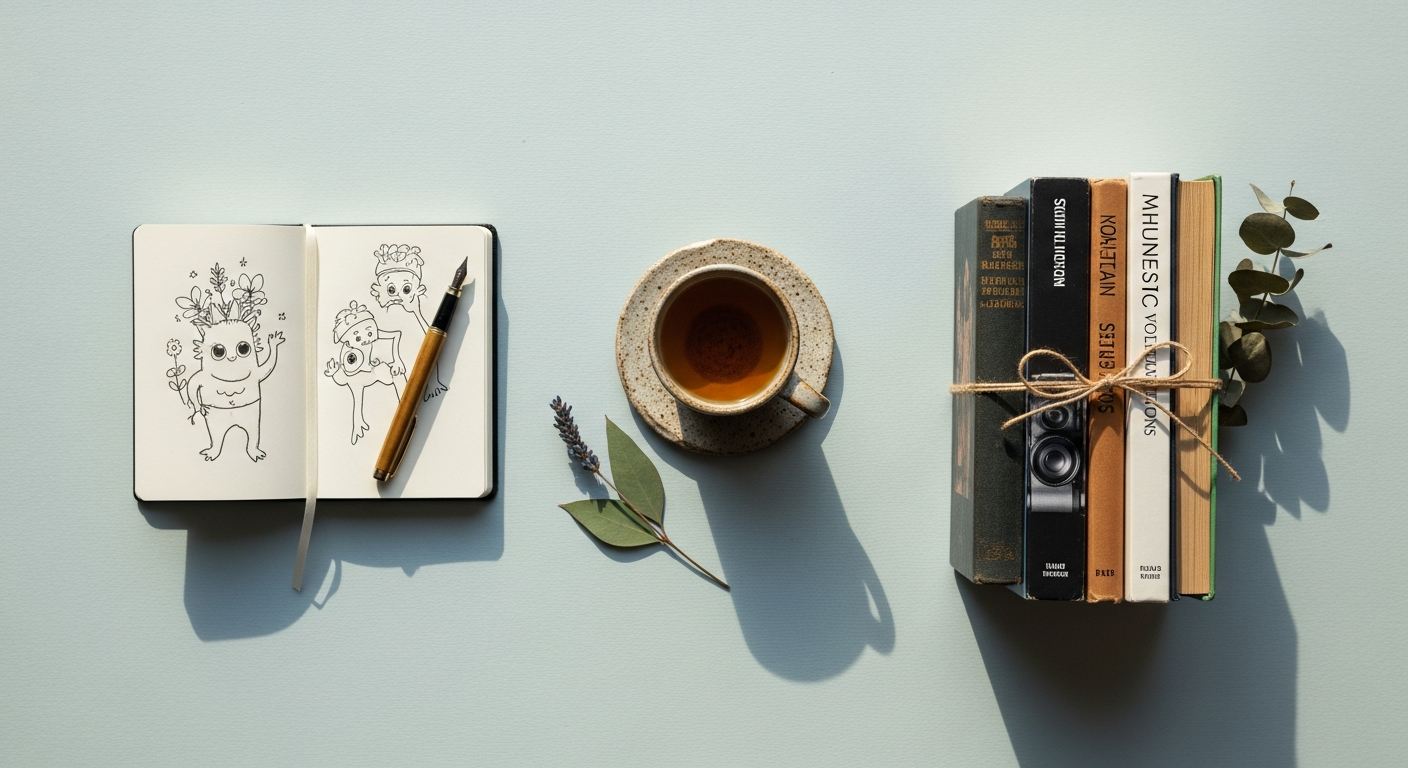
One of the most powerful and immediate ways to inject personality into your home is through the thoughtful display of items that hold personal significance. These aren’t just decorative objects; they are tangible pieces of your life story, your passions, and your heritage. Moving into 2026, the trend is less about accumulating and more about curating – selecting items with intention and presenting them in a way that truly highlights their value and meaning.
The Power of Personal Artifacts
Think about the items you’ve collected over the years: souvenirs from travels, heirlooms passed down through generations, trophies from past achievements, gifts from loved ones, or even just quirky finds that made you smile. These are your personal artifacts, and they are ripe with stories. Instead of tucking them away in boxes or scattering them haphazardly, bring them out into the open and give them pride of place. A vintage camera from your grandfather, a hand-painted ceramic bowl from a trip to Mexico, or a collection of antique keys – each item can add a layer of depth and narrative to your decor. These pieces are irreplaceable, often carrying a sentimental value far beyond their monetary worth, and they instantly make a space feel lived-in and loved.
The key is to integrate them seamlessly rather than creating a cluttered museum. Consider grouping similar items together to create a cohesive collection, or use them as focal points in different rooms. For instance, a beautifully framed collection of postcards from your global adventures could adorn a hallway, while a cherished wooden sculpture finds its home on a prominent mantelpiece. These are the things you should never neglect in your home, as they are the very essence of its unique character.
Crafting Engaging Vignettes
A vignette is a small, intentional arrangement of objects that tells a mini-story or creates a specific mood. It’s where your personal artifacts truly shine. Instead of placing a single item on a shelf, combine 3-5 objects of varying heights, textures, and materials to create a visually interesting display. For example, on a coffee table, you might arrange a stack of your favorite art books, a small plant, a unique coaster from a memorable restaurant, and a scented candle. On a dresser, perhaps a vintage jewelry box, a framed photograph, and a small, sculptural object. The trick is to play with scale and balance, ensuring that each item contributes to the overall narrative without overwhelming the space.
When crafting vignettes, think about the context of the room. A collection of seashells and beach glass might be perfect for a bathroom shelf, echoing the serenity often associated with water, or a guest bedroom. A display of board games and cozy blankets makes a living room feel more inviting. These thoughtful arrangements transform ordinary surfaces into engaging displays that invite closer inspection and spark conversation, truly enhancing your home’s appeal.
Beyond the Shelf: Integrating Art and Photography
Your walls offer an expansive canvas for personal expression. Art and photography are perhaps the most direct ways to showcase your personality, interests, and memories. Don’t limit yourself to generic prints; instead, seek out pieces that genuinely resonate with you. This could be original artwork from local artists, prints from your favorite illustrators, or even your own photographic masterpieces.
Gallery walls remain a popular and effective way to display a diverse collection. Mix and match framed photographs (both professional and personal snapshots), various art styles, and even small decorative objects or mirrors. The beauty of a gallery wall is its flexibility; it can grow and evolve with you. Consider a theme – perhaps all black and white photos, or a collection of landscapes from places you’ve visited. Don’t be afraid to incorporate unconventional items like vintage maps, textiles, or even framed concert tickets. The goal is to create a dynamic display that tells a cohesive story about you.
Beyond gallery walls, think about oversized statement pieces. A large-scale photograph of a favorite natural landscape or an abstract painting in colors you love can become a powerful focal point in a room, immediately setting the tone and reflecting your aesthetic preferences. Remember, the art you choose is a direct window into your soul, making your home unmistakably yours in 2026 and beyond.
Way 2: Embrace Color, Texture, and Pattern with Intention
The Psychology of Color
Color is arguably the most impactful tool for expressing personality. Each color carries psychological associations and can dramatically alter the perception and feeling of a room. Are you drawn to serene blues and greens, suggesting calm and nature? Perhaps vibrant yellows and oranges, indicative of energy and optimism? Or deep, moody jewel tones that speak to sophistication and drama? Your preferred palette is a direct reflection of your inner world.
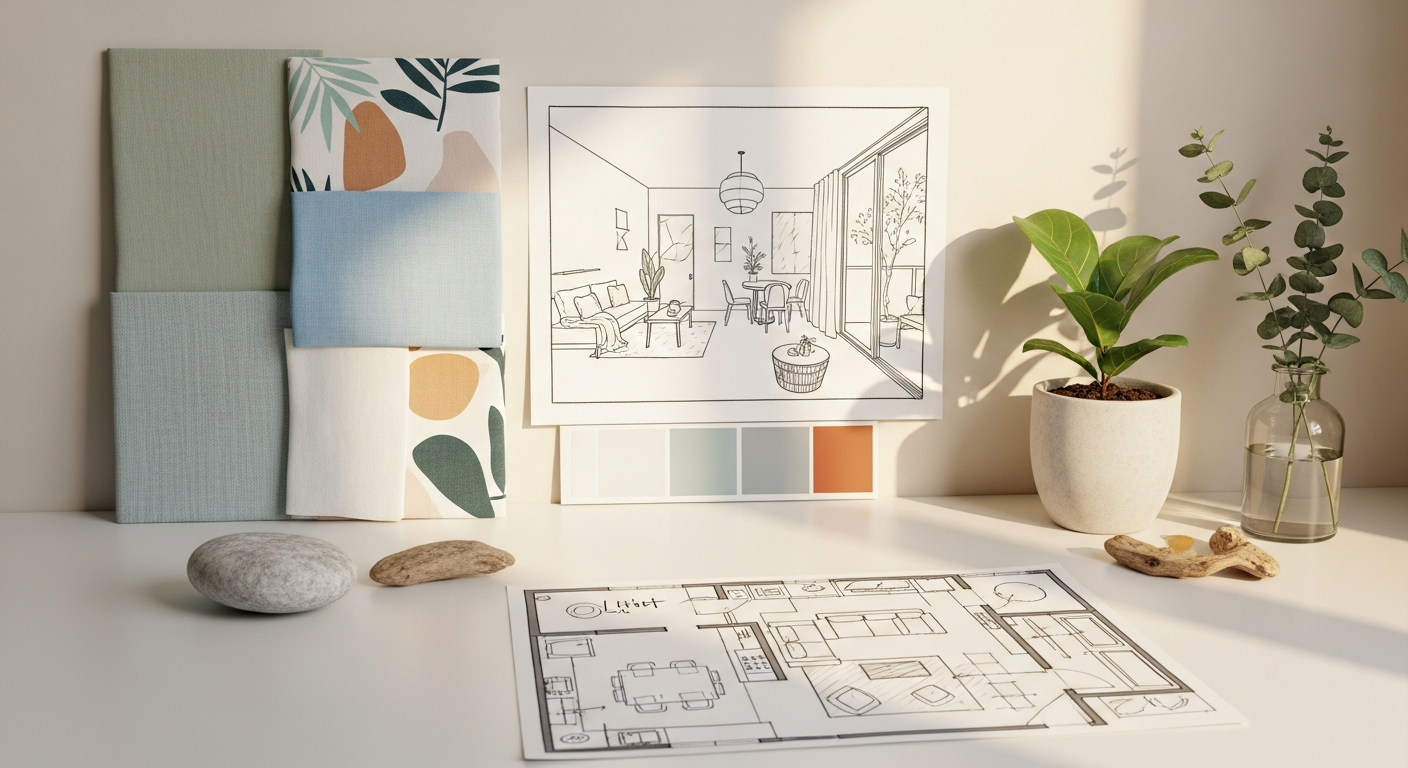
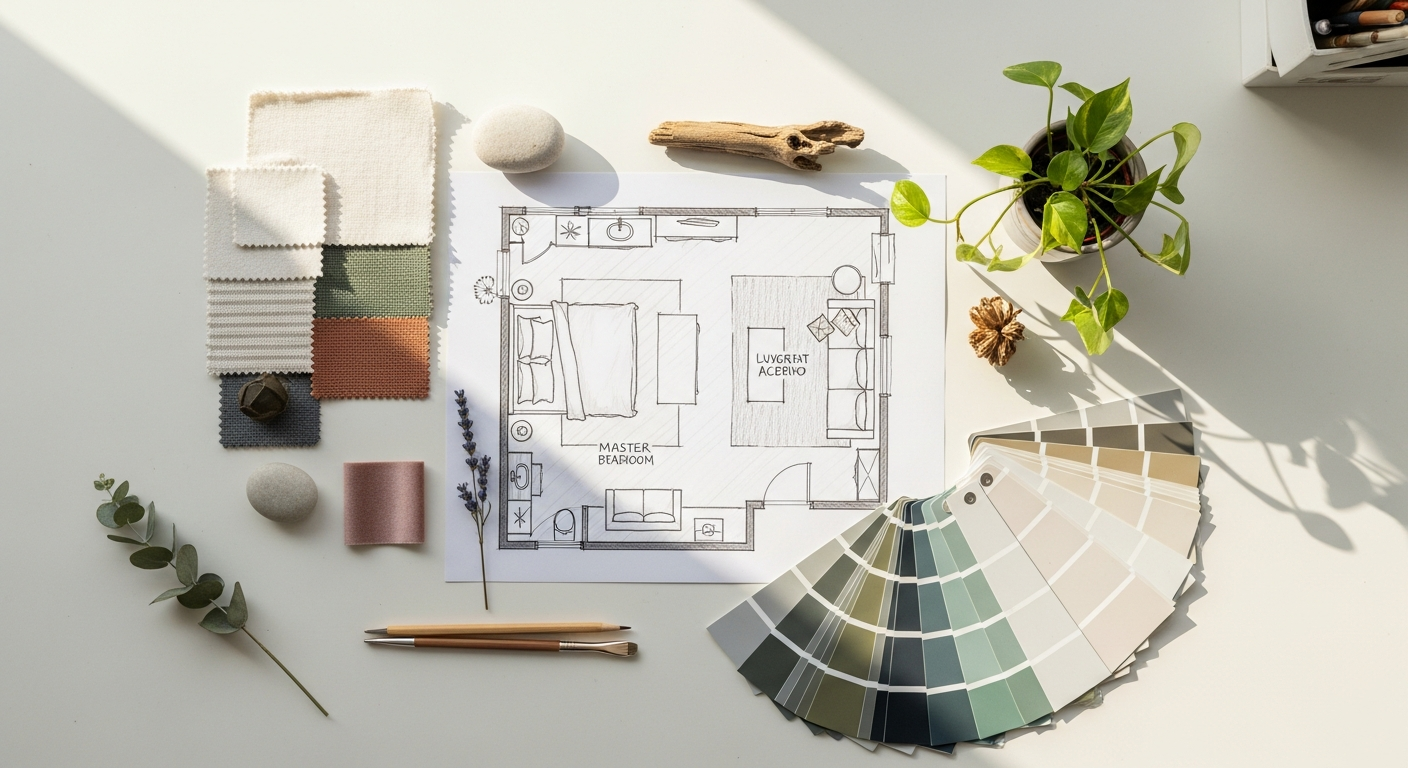
Don’t be afraid to step beyond neutrals. A feature wall in a bold color, a brightly painted piece of furniture, or even a collection of colorful accessories can transform a space. Consider how different colors make you feel. If you love to entertain, warm and inviting colors like terracotta or deep reds might be perfect for a dining area. For a bedroom, calming shades of blue, lavender, or soft grey can promote relaxation. Even if you prefer a neutral base, you can infuse personality through pops of color in cushions, throws, artwork, or decorative objects. Experiment with a mood board to see how different colors interact and what combination truly speaks to your individual style, ensuring you enhance your home with thoughtful choices.
Layering Textures for Depth and Comfort
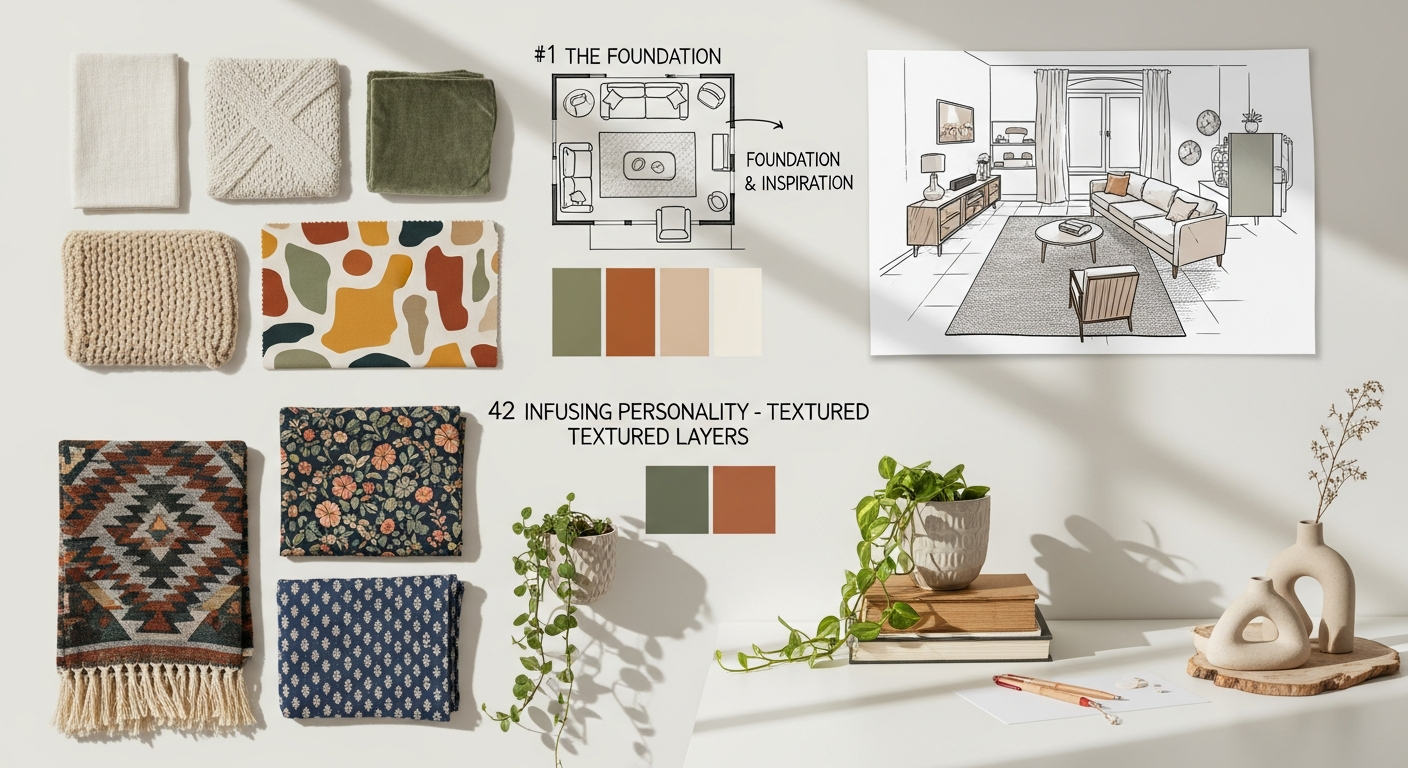
Texture is the tactile personality of your home. It’s how a space feels, not just how it looks. A room with varied textures feels richer, more inviting, and more comfortable. Imagine a room with only smooth, hard surfaces – it would feel cold and unwelcoming. Now, add a plush rug, soft velvet cushions, a chunky knit throw, wooden furniture with visible grain, and perhaps some linen curtains. Suddenly, the room feels layered, warm, and deeply personal.
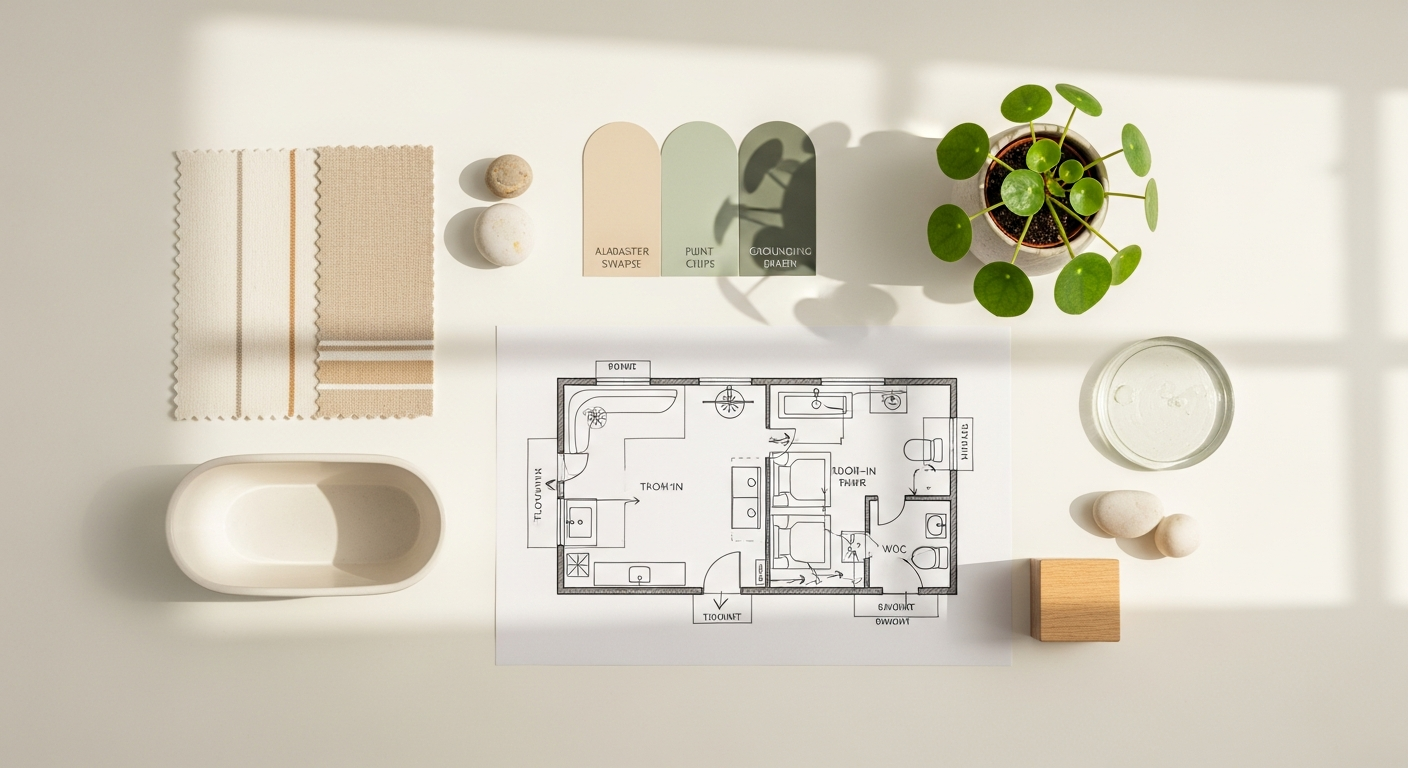
Think about incorporating a range of textures throughout your home. In the living room, mix materials like leather, wool, cotton, and faux fur. In the bedroom, layer different fabrics on your bed – a crisp cotton duvet, a soft linen throw, and decorative pillows with embroidery or tassels. Even in the bathroom, consider textured towels, a woven bath mat, or a wooden stool to add warmth and character, tying into the idea of “3 ways to improve the functionality of your bathroom” by making it more inviting. Natural materials like wood, stone, and rattan also bring organic texture and a sense of grounding. The interplay of textures adds visual interest and a haptic dimension that makes a space feel much more nuanced and personal, truly elevating its character.
Patterns That Tell Your Story
Patterns are a fantastic way to introduce personality and visual rhythm into a space. From subtle geometrics to bold florals, patterns can reflect your aesthetic preferences and add a dynamic layer to your decor. Don’t shy away from mixing patterns, but do so with intention. A good rule of thumb is to vary the scale and type of pattern. For example, pair a large-scale floral print with a smaller geometric pattern and a solid texture to create balance.
Consider patterns in various forms: wallpaper, upholstery fabrics, curtains, rugs, and decorative accessories. A patterned rug can anchor a room and introduce a dominant motif. Patterned throw pillows can be easily changed to refresh a look or reflect seasonal shifts. Even subtle patterns, like a herringbone weave on a sofa or a textured stripe on bedding, can add significant character without overwhelming the space. If you’re hesitant about bold patterns, start small with accessories or a single piece of furniture. A patterned accent chair, for instance, can be a powerful statement piece that showcases your unique taste. By thoughtfully integrating patterns, you ensure your home is anything but bland, turning it into a canvas that vividly expresses your individual style in 2026.
Way 3: Invest in Unique, Meaningful, and Functional Pieces
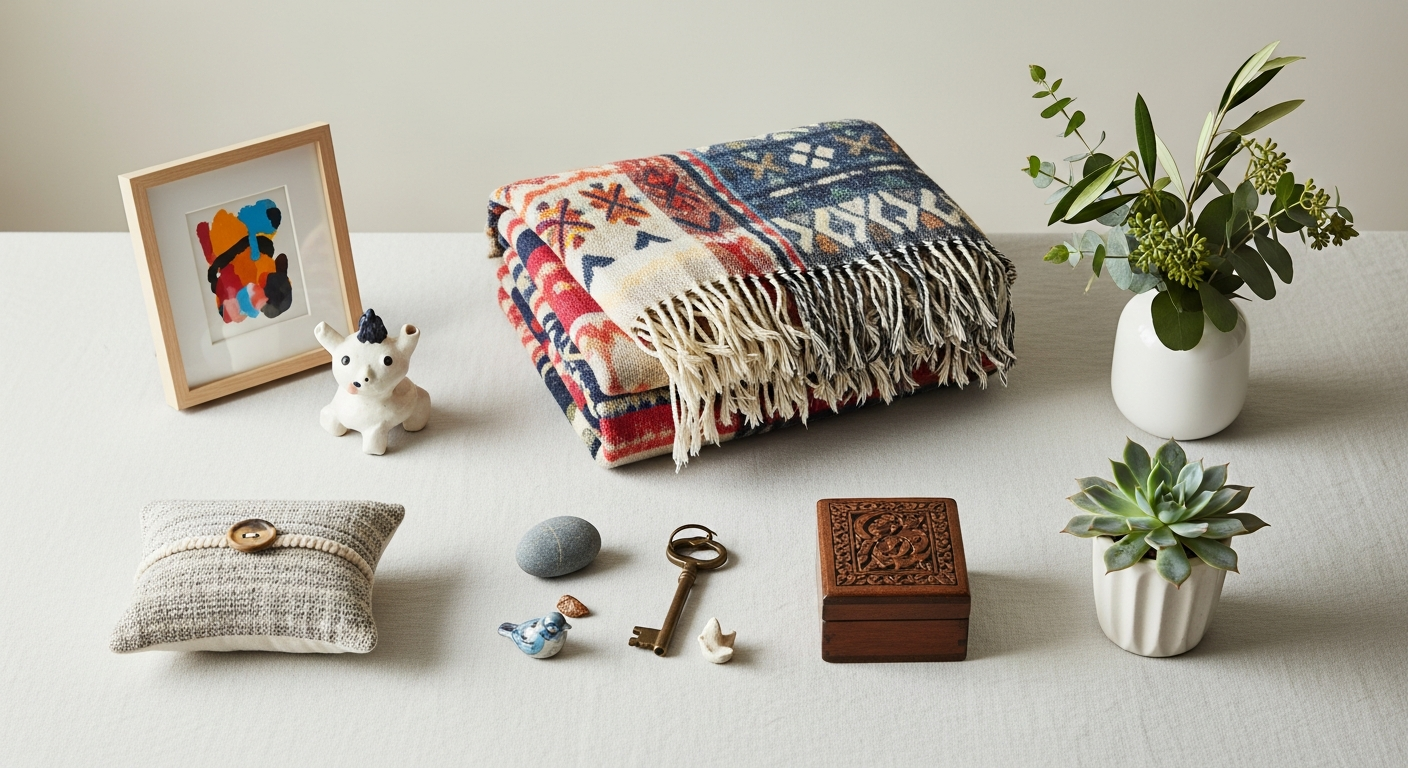
Beyond mass-produced furniture, the real personality of a home often emerges from the unique pieces you choose to bring into it. These aren’t just items that fill a space; they are investments in style, history, and often, the stories they carry. As we look towards 2026, there’s a growing appreciation for craftsmanship, longevity, and items that truly resonate with individual taste, moving away from disposable trends.
The Allure of Vintage and Antique Finds
Vintage and antique pieces are imbued with history and character that new furniture simply cannot replicate. A worn leather armchair, a mid-century modern credenza, or a beautifully carved wooden chest each tell a story of a past life, adding an instant layer of depth and personality to your home. Shopping for these items is also an adventure – whether at flea markets, antique shops, estate sales, or online marketplaces, the thrill of discovery is part of the charm.
Integrating vintage pieces doesn’t mean your home has to look like a museum. In fact, mixing old and new is a hallmark of truly personalized design. A sleek, modern sofa can be beautifully complemented by a vintage coffee table, or a contemporary dining room can be softened by antique chairs. These pieces often boast superior craftsmanship and materials, making them durable and sustainable choices. They are truly things you should never neglect in your home, as they contribute significantly to its unique soul and narrative.
Supporting Artisans and Local Crafts
Another way to bring unique personality into your home is by investing in handcrafted items from local artisans or independent makers. When you purchase a hand-thrown ceramic vase, a custom-made wooden shelf, or a woven textile, you’re not just buying an object; you’re supporting an individual’s passion and skill. These pieces often carry the maker’s unique aesthetic and imbue your home with a sense of authenticity and connection to craft.
Look for local craft fairs, artist studios, or online platforms dedicated to handmade goods. From bespoke lighting fixtures to custom furniture, these unique items ensure your home stands out from the crowd. They are conversation starters and often become cherished possessions, reflecting a conscious choice to value artistry over mass production. This approach not only enhances your home’s personality but also contributes to a more sustainable and community-focused economy, a value increasingly important in 2026.
Customization and DIY Projects
Sometimes, the most personal pieces are those you create or customize yourself. DIY projects allow you to tailor items precisely to your taste and needs, adding a level of personalization that’s impossible to buy off the shelf. This could range from painting an old dresser a vibrant new color, reupholstering a chair with a fabric you love, or building a custom bookshelf to fit a specific nook.
Even small customizations can make a big difference. Swapping out generic hardware on cabinets for unique pulls, adding decorative trim to plain curtains, or creating your own artwork are all ways to infuse your personality. These projects not only result in one-of-a-kind pieces but also give you a sense of accomplishment and a deeper connection to your home. They are a direct expression of your creativity and a tangible way to make your space truly yours, embodying the spirit of “Are you ready to enhance your home” through active participation.
Functionality as a Personality Trait
Beyond aesthetics, how a home functions can also reflect personality. A well-organized, highly functional home speaks to a personality that values efficiency, calm, and practicality. Investing in smart storage solutions, multi-functional furniture, or custom built-ins isn’t just about utility; it’s about designing a home that supports your lifestyle and reduces daily friction.
Consider the example of a bathroom: “3 ways to improve the functionality of your bathroom” might include installing smart storage, optimizing layout for flow, or choosing durable, easy-to-clean materials. But these choices also reflect a personality that values order and ease. Similarly, a home office with a custom desk tailored to your workflow, or a kitchen with carefully selected appliances that match your culinary habits, all contribute to a functional personality. When your home works seamlessly for you, it fosters a sense of peace and efficiency that is deeply personal and contributes to overall well-being. This thoughtful approach to both form and function ensures your home is not only beautiful but also perfectly suited to your life in 2026.
Way 4: Cultivate Greenery and Connect with Nature Indoors
Bringing the outdoors in is a timeless way to add life, freshness, and a calming presence to any home. Plants, flowers, and natural elements instantly infuse a space with personality, warmth, and a connection to the living world. As we move further into 2026, biophilic design – the practice of connecting humans with nature in built environments – continues to gain prominence, highlighting the profound impact of greenery on our well-being and the unique character it lends to a home.
The Biophilic Design Advantage
Biophilic design principles suggest that humans have an innate need to connect with nature. Incorporating plants and natural materials into your home isn’t just about aesthetics; it’s about creating a healthier, more vibrant living environment. Plants purify the air, reduce stress, boost mood, and even improve focus. Beyond these benefits, they add an organic texture and a dynamic, ever-changing element to your decor that no inanimate object can replicate.
Think about the sensory experience. The vibrant green hues, the gentle rustle of leaves, the subtle earthy scent – all contribute to a feeling of calm and vitality. A home rich in greenery feels alive, welcoming, and deeply personal, reflecting a personality that values natural beauty and a harmonious existence with the environment. This connection to nature is one of the things you should never neglect in your home, as it contributes significantly to both its aesthetic appeal and the well-being of its inhabitants.
Choosing Plants That Reflect Your Style
Just like furniture and art, plants come in a vast array of shapes, sizes, and care requirements, allowing you to choose varieties that perfectly complement your personal style. Are you drawn to the bold, sculptural forms of a Fiddle Leaf Fig or a Monstera Deliciosa, reflecting a modern, minimalist aesthetic? Or perhaps the delicate, trailing vines of a Pothos or String of Pearls, adding a touch of bohemian charm? Succulents and cacti offer a low-maintenance, architectural appeal, while lush ferns and prayer plants bring a tropical, abundant feel.
Consider the color and texture of the foliage as well. Some plants offer variegated leaves with striking patterns, while others boast deep, velvety textures. Don’t be afraid to mix and match different plant types to create visual interest and layers of green. Research which plants thrive in your home’s specific lighting conditions and your level of commitment to care, ensuring your green companions flourish and continue to enhance your home’s personality for years to come.
Creative Display Ideas for Greenery
How you display your plants is just as important as the plants themselves. Move beyond simply placing a potted plant on a windowsill. Think creatively to integrate greenery throughout your home in ways that enhance its character:
- Grouping: Create a “plant corner” or a small indoor jungle by grouping several plants of varying heights and sizes together. This creates a lush focal point and maximizes their visual impact.
- Vertical Gardens: For smaller spaces or to add a dramatic touch, consider vertical planters or wall-mounted shelves. A living wall can be a stunning piece of art that continuously evolves.
- Hanging Planters: Macrame hangers, suspended ceramic pots, or even repurposed baskets can add visual interest at different heights and free up surface space.
- Stylish Planters: The pots themselves are part of the decor. Choose planters that complement your style – terracotta for a rustic look, sleek ceramic for modern, woven baskets for bohemian, or vintage finds for eclectic charm.
- Terrariums and Vivariums: Create miniature self-contained ecosystems with small plants, moss, and decorative elements. These are like living sculptures that bring a unique, whimsical touch.
- Botanical Artwork: If live plants are a challenge, incorporate botanical prints, pressed flowers, or illustrations. These still evoke nature’s beauty and contribute to a biophilic aesthetic.
- Fresh Flowers: Don’t underestimate the power of a simple vase of fresh flowers. They bring vibrant color, natural fragrance, and a touch of elegance that instantly brightens a room and signals a home that is cared for and loved.
By thoughtfully integrating greenery, you not only beautify your space but also create an environment that feels more vibrant, calming, and truly reflective of a personality connected to the natural world. This is a fundamental way to enhance your home’s atmosphere and soul in 2026.
Bringing It All Together: A Holistic Approach to Personalization
Infusing your home with personality isn’t a one-time project; it’s an ongoing journey of discovery, expression, and refinement. The four ways we’ve explored – curating collections, embracing color/texture/pattern, investing in unique pieces, and cultivating greenery – are not isolated strategies but interconnected elements that, when combined, create a truly cohesive and authentic living space. As we navigate the design landscape of 2026, the emphasis is firmly on creating homes that are not just visually pleasing but deeply resonant with their inhabitants.
The true magic happens when these elements begin to speak to each other. Imagine a vintage wooden chest (unique piece) adorned with a collection of travel souvenirs (curated memories), set against a wall painted in a rich, earthy tone (intentional color), and flanked by a lush, potted plant (greenery). This layered approach creates depth, interest, and an undeniable sense of character that tells a rich story about you.
Consistency in your personal style, while allowing for evolution, is key. Your home doesn’t need to adhere to a single design trend; in fact, the most personality-filled homes often blend styles, eras, and influences in a way that is uniquely their own. Trust your instincts. If an item sparks joy, if a color palette feels right, or if an arrangement speaks to you, then it belongs in your home. Don’t be afraid to experiment, rearrange, and even make mistakes – these are all part of the creative process.
Remember that a home with personality is also a home that is well-maintained and cared for. The things you should never neglect in your home extend beyond structural integrity and cleanliness to include the thoughtful upkeep of your personal touches. Dusting your beloved collectibles, tending to your plants, and ensuring your unique furniture pieces are well-preserved are all acts of love that contribute to the overall character and longevity of your personalized space. A home that feels loved and lived in is inherently more personal than one that is merely decorated.
Finally, understand that your home’s personality will, and should, evolve as you do. Your tastes will change, new memories will be made, and your life story will continue to unfold. Embrace this evolution. Allow your home to be a dynamic reflection of your journey, a comfortable and inspiring sanctuary that grows with you through 2026 and beyond. By approaching home design with intention, authenticity, and a willingness to infuse every corner with your unique spirit, you will create a space that is not just a house, but a truly personalized home.
Frequently Asked Questions
Recommended Resources
Explore How To Communicate Effectively In Remote Teams for additional insights.
You might also enjoy Best Email Marketing Platforms For Small Businesses from Eamped.