The Psychology of Presentation: Why First Impressions Matter Most
In the high-stakes arena of real estate, the first impression your home makes is not just important; it’s paramount. Psychologists often refer to the “primacy effect,” a cognitive bias where initial information about a person or object has a disproportionately large influence on our perception and judgment. For a home, this means the first few moments a potential buyer spends on your property, or even viewing its online photos, can irrevocably shape their entire opinion. It’s not simply about aesthetics; it’s about evoking an emotional connection, a sense of belonging, and a vision of their future within those walls. Buyers aren’t just looking for a collection of rooms; they are searching for a feeling, a lifestyle, a sanctuary. They want to envision themselves thriving there, celebrating milestones, and finding daily comfort. This inherent desire means that every detail, from the vibrant hue of your front door to the ambient scent wafting through the living room, contributes to a holistic sensory experience that either draws them in or pushes them away. Neglecting this crucial aspect is akin to neglecting the very foundation of a successful sale. A well-presented home communicates care, quality, and potential, signaling to buyers that the property has been cherished and maintained, thereby instilling confidence in their investment. Conversely, a home that appears neglected or uninviting can raise red flags, leading to skepticism about underlying issues and ultimately, a lower offer or no offer at all. Understanding this psychological undercurrent empowers you to move beyond superficial fixes and embark on a strategic transformation that resonates deeply with prospective owners. It’s about creating an undeniable ‘wow’ factor that lingers, making your property stand out in a crowded market and ensuring that your next open house is not just attended, but truly remembered. Think of it as setting the stage for a compelling narrative, where your home is the protagonist, ready to embark on its next exciting chapter with a new owner.
Way 1: Master the Art of Curb Appeal – Beyond the Green Grass
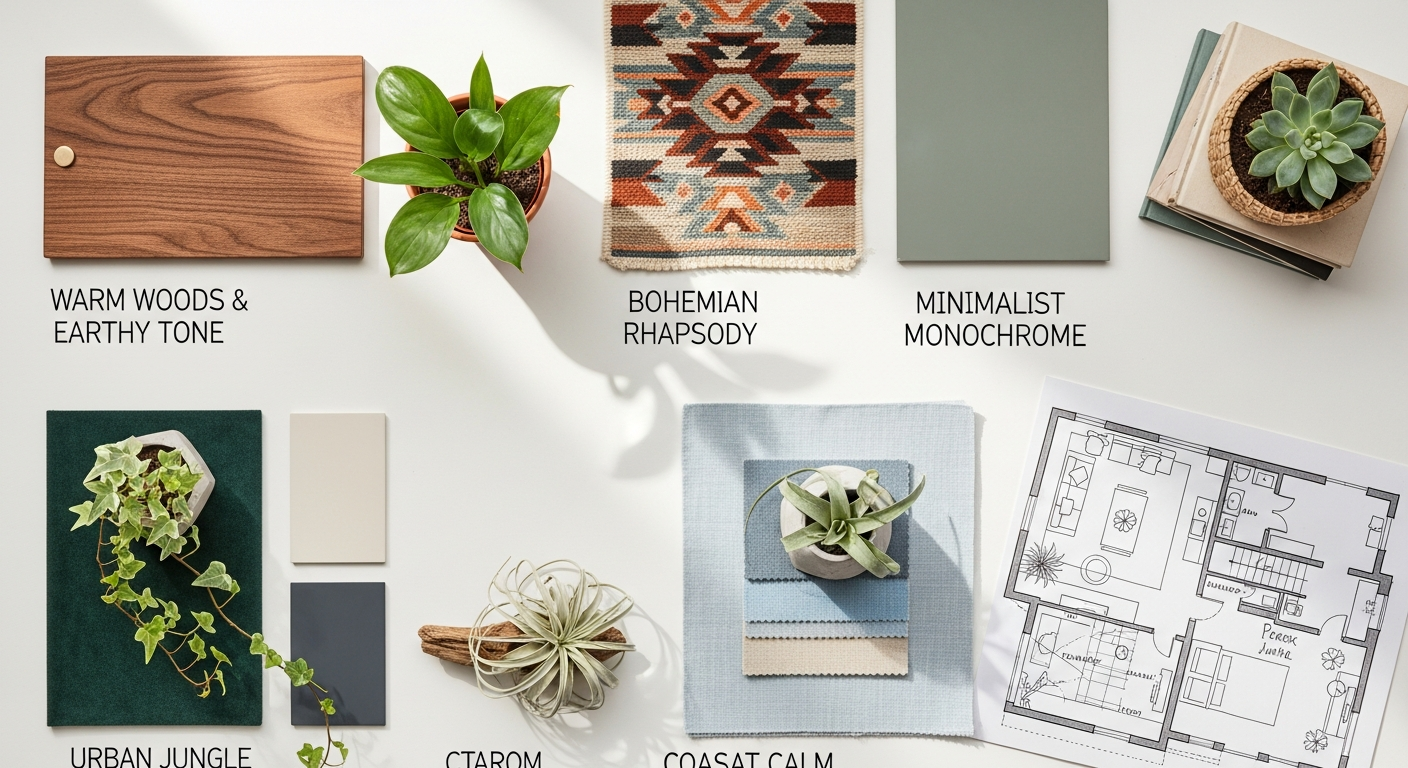
Long before a potential buyer steps inside, their journey begins at the curb. Curb appeal is the silent, yet powerful, first handshake your home extends, setting the tone for everything that follows. It’s far more than just a manicured lawn; it’s a meticulously crafted visual story that hints at the care and quality within. Start by assessing your home from the street with fresh eyes, perhaps even from a neighbor’s perspective. What immediately catches your attention? Is it inviting, polished, and full of promise? Or does it whisper tales of neglect? The front door, often overlooked, is a focal point of immense psychological impact. A fresh coat of paint in a trending, yet classic, color – perhaps a deep charcoal, a vibrant navy, or a sophisticated sage green – can instantly modernize and invigorate your entrance. Ensure the hardware is sparkling, free of tarnish, and if necessary, upgrade to a contemporary style. Consider a stylish new door knocker or a personalized welcome mat that exudes warmth. Lighting plays a crucial role in both aesthetics and safety, especially if your open house extends into the late afternoon or early evening. Update exterior light fixtures to complement your home’s architectural style, ensuring they are clean and functional. Solar-powered pathway lights can add a magical, inviting glow leading up to the entrance. Landscaping, while seemingly obvious, can be elevated from merely tidy to truly enchanting. Beyond simply mowing and edging, think about strategic planting. Add seasonal flowers in vibrant pots near the entrance or along walkways to inject color and life. Prune overgrown shrubs and trees that might obscure the home’s facade or block natural light. Define garden beds with crisp edges and fresh mulch, which not only looks neat but also suppresses weeds. Don’t forget the driveway and walkways; power wash away grime, oil stains, and moss to reveal their true potential. Repair any cracks or uneven surfaces, as these can be tripping hazards and detract from the overall pristine image. Even the mailbox can be a small canvas for improvement – a freshly painted post or a new, stylish box can contribute to the polished look. Finally, ensure all windows are gleaming, inside and out. Clean windows allow maximum natural light to flood the interior, which we’ll discuss later, and signal a well-maintained home. Remember, every element viewed from the street contributes to a powerful first impression, and mastering this art of curb appeal is your first, non-negotiable step to looking awesome for your next open house in 2026.
Way 2: Cultivate an Inviting Ambiance – Sensory Delights
Way 3: Declutter, Depersonalize, and Design for Desire
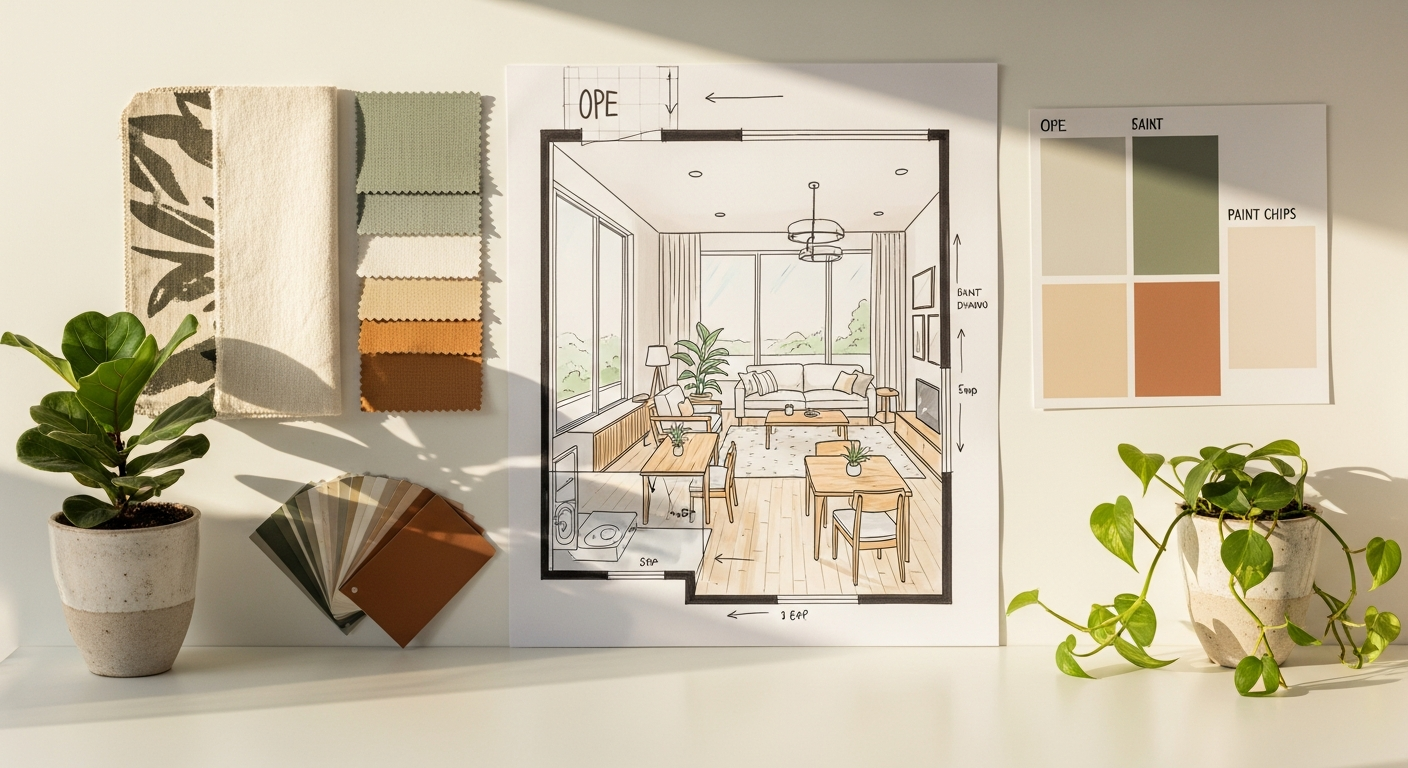
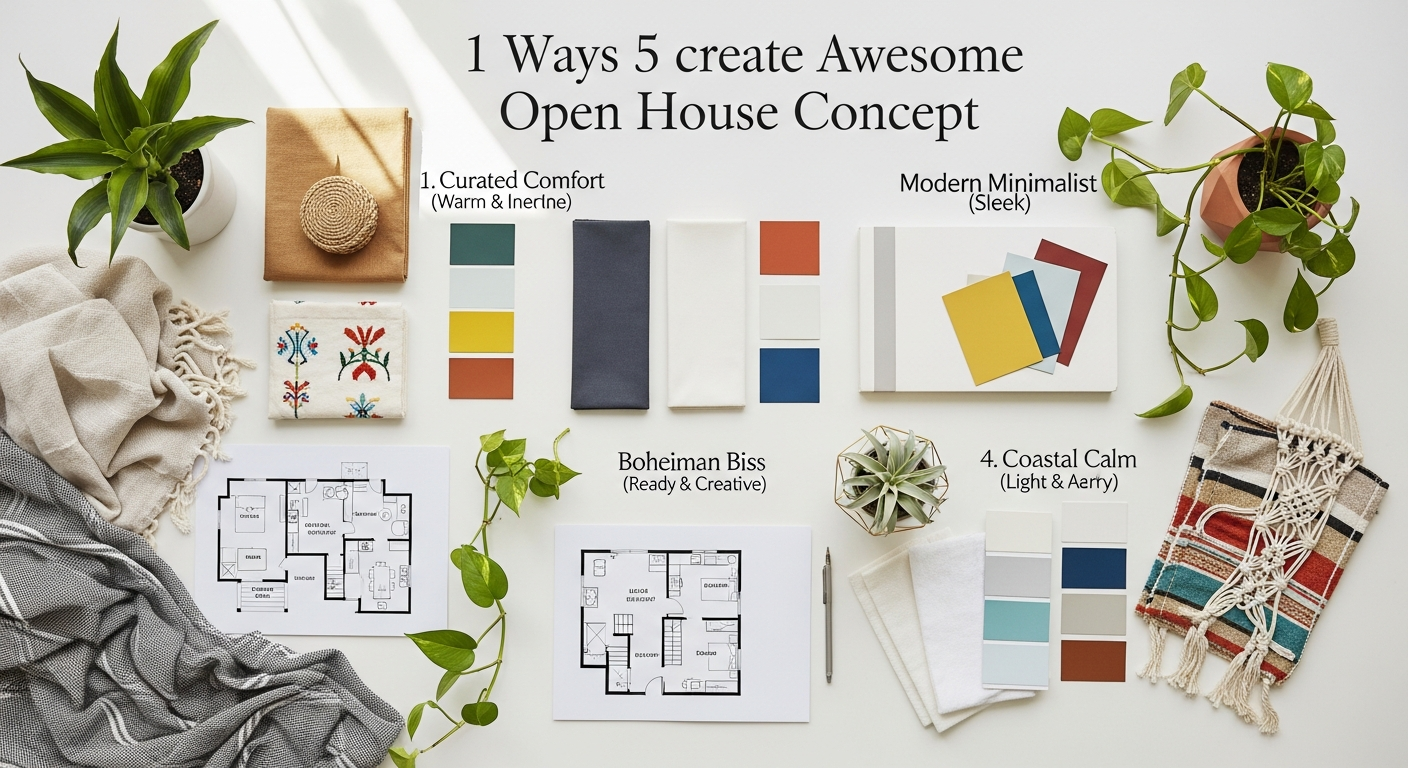
To truly allow prospective buyers to envision themselves living in your home, you must create a blank canvas infused with aspirational design. This means embracing the triple-D strategy: Declutter, Depersonalize, and Design for Desire. First, declutter ruthlessly. This is not just about tidiness; it’s about removing excess. Every surface, every closet, every drawer should be at least 50% empty. Clutter creates visual noise, makes spaces feel smaller, and signals a lack of storage. Go through every room with a critical eye, removing anything that isn’t essential, beautiful, or strategic for staging. Pack away books, magazines, excessive decorative items, and anything that crowds a space. The goal is to create an impression of spaciousness and ease. Don’t forget behind closed doors – potential buyers will peek into closets and pantries, so ensure these areas are also organized and appear spacious. Next, depersonalize thoroughly. While your family photos, diplomas, and unique collectibles tell your story, they prevent buyers from imagining their own. Remove all personal photographs, memorabilia, religious items, and highly specific art or decor. Replace them with neutral, generic artwork or tasteful, understated decorative objects. The aim is to create a universally appealing environment that allows buyers to project their own lives onto the space, rather than feeling like they are intruding on yours. They need to see a future home, not your current one. Finally, design for desire. This is where strategic staging comes into play. Once decluttered and depersonalized, the space is ready to be styled to appeal to the broadest possible audience, reflecting current design trends for 2026. Focus on creating vignettes that suggest a desirable lifestyle. In the living room, arrange furniture to encourage conversation and relaxation. In the dining room, set the table simply but elegantly. In bedrooms, make beds impeccably, with crisp linens and fluffy pillows. Use a cohesive color palette, typically neutrals like grays, whites, and creams, as a base, then add pops of color through throw pillows, blankets, or small accessories. Ensure that every room has a clear purpose. If you have a spare room that’s become a dumping ground, transform it into a functional office, a cozy reading nook, or a guest room. This thoughtful design helps buyers visualize how they might use each space effectively, enhancing the perceived value and desirability of your home. Remember, you’re not just selling square footage; you’re selling a dream, a potential lifestyle, and the emotional connection that comes with it.
Way 4: Highlight Key Features with Purposeful Panache
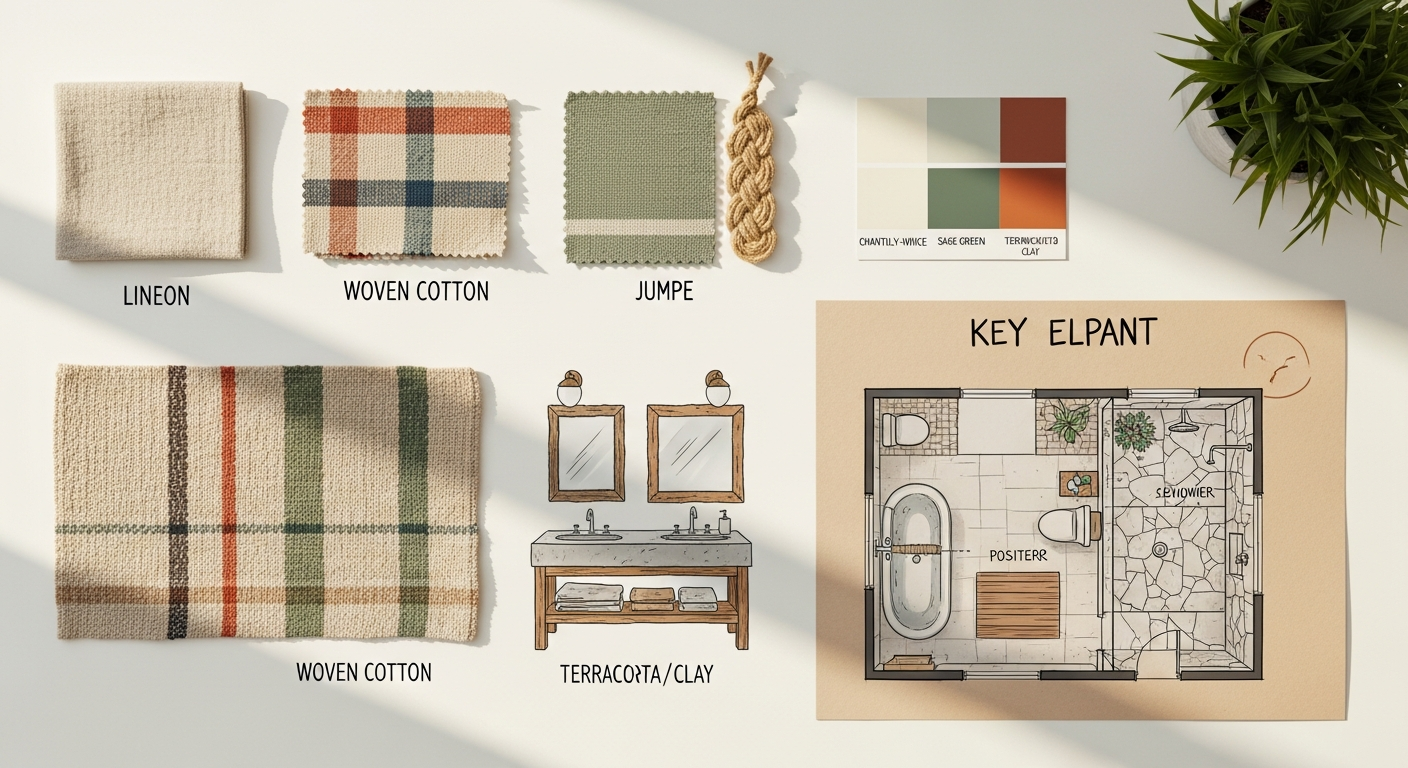
Every home has its unique selling points, whether they are architectural details, recent upgrades, or particularly desirable amenities. Your task for an open house is to not just have these features, but to highlight them with purposeful panache, drawing the buyer’s eye and underscoring their value. This requires a strategic approach to staging and presentation. Start by identifying your home’s strongest assets. Is it a stunning fireplace? A gourmet kitchen? Expansive windows with a view? A newly renovated bathroom? Once identified, make these features undeniable focal points. For architectural details like built-in shelving, crown molding, or a unique ceiling design, ensure they are clean, freshly painted if necessary, and unblocked by furniture or decor. Strategic lighting can dramatically emphasize these elements; consider uplights or spotlights. If your home boasts a modern, updated kitchen, ensure countertops are clear and gleaming, appliances are spotless, and perhaps a bowl of fresh fruit or a single elegant vase of flowers adorns the island. Showcase the functionality of smart appliances, if applicable. Demonstrate the flow and usability, making it clear this is a space for both culinary artistry and casual gathering. Bathrooms are critical areas for buyers, often scrutinized for their condition and modernity. If you’ve recently upgraded your bathroom, make sure those improvements shine. Consider the insights from “3 ways to improve the functionality of your bathroom” and apply them to your staging. Have you added smart storage solutions? A rainfall showerhead? Double vanities? Emphasize these. Ensure mirrors are spotless, towels are fresh, fluffy, and perfectly folded, and countertops are clear except for perhaps a single, luxurious hand soap and a small plant. The goal is to evoke a spa-like tranquility. If your home has a particularly stunning view, ensure nothing obstructs it. Clean windows are essential, and furniture should be arranged to frame the view, not compete with it. A comfortable seating area positioned to gaze out will invite buyers to pause and appreciate the vista. For updated flooring, ensure it’s spotless and free of rugs that might hide its beauty. If you have hardwood, let it gleam. If it’s new carpet, vacuum it to perfection. Even seemingly mundane features like ample storage can be highlighted. Organize closets to showcase their spaciousness, using uniform hangers and neatly folded items (even if they’re just empty boxes covered in pretty paper). By purposefully directing attention to your home’s best attributes, you empower buyers to appreciate the value and thoughtful design, making these features memorable and compelling reasons to make an offer.
Way 5: The Finishing Touches – Staging That Sells a Lifestyle
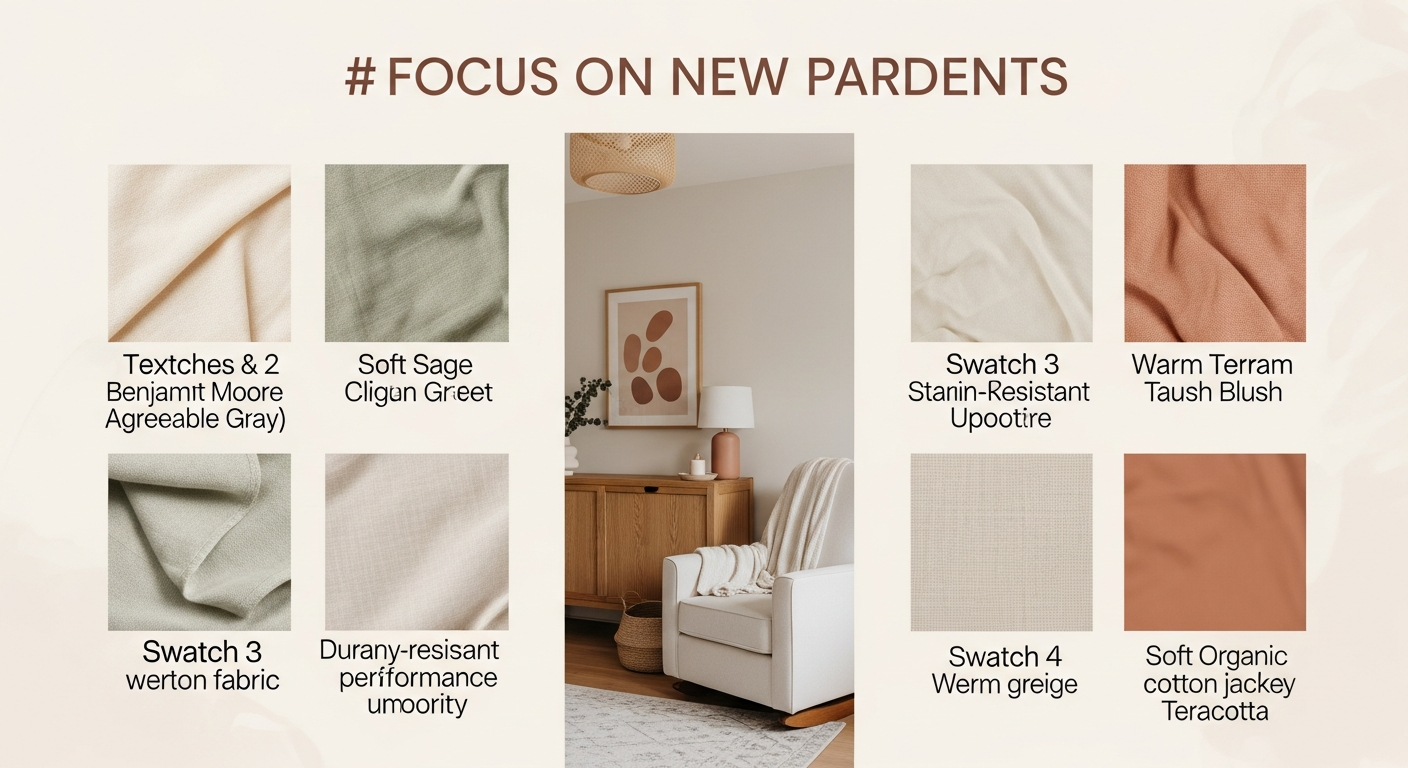
With the major elements in place – curb appeal perfected, ambiance set, clutter vanquished, and key features highlighted – it’s time to layer in the finishing touches that truly sell a lifestyle. This is where your home transitions from a property to an aspirational dream, weaving a subtle narrative of comfort, elegance, and desirability. Think of it as painting the final brushstrokes on a masterpiece, where every accessory is chosen with intent. Textiles play a crucial role in adding warmth, texture, and visual interest. In living areas, drape a soft throw blanket over a sofa or armchair, carefully folded or casually tossed to suggest relaxation. Add decorative pillows in varying textures and subtle patterns that complement your neutral base palette. In bedrooms, invest in luxurious, crisp white bedding, fluffy duvets, and an abundance of pillows to create a hotel-like sanctuary. A simple, elegant bed runner can also elevate the look. For bathrooms, fresh, fluffy white towels, perhaps a small stack of perfectly folded hand towels, instantly convey cleanliness and luxury. Art and decor should be thoughtfully curated. Replace any overly personal or eccentric pieces with neutral, aesthetically pleasing artwork. Think abstract pieces, landscape prints, or simple mirrors that expand the sense of space. Group smaller decorative items in odd numbers (threes or fives) on shelves or coffee tables to create visual interest – a small stack of design books, a unique ceramic vase, a sculptural object. Avoid too many small items, which can quickly turn into clutter. Greenery brings life and vibrancy into any space. Strategically placed plants, whether a large potted fiddle-leaf fig in a corner or a delicate orchid on a side table, add a touch of nature and freshness. Ensure all plants are healthy, dust-free, and in attractive planters. Consider a fresh bouquet of flowers in the dining room or on a kitchen island for a pop of color and natural scent. Pay attention to “Are you ready to enhance your home?” – these finishing touches are precisely how you elevate the overall feeling and perceived value. Small details like neatly arranged remote controls, a stylish tray on a coffee table, or even a strategically placed coffee table book that reflects a desirable interest (travel, art, architecture) can make a significant impact. And remember “Things you should never neglect in your home” – this extends to the often-overlooked details like clean light switch plates, dust-free baseboards, and sparkling doorknobs. Every surface should be pristine. By focusing on these thoughtful, curated details, you’re not just decorating; you’re telling a story, inviting buyers to imagine themselves living that beautiful, well-curated life within your walls. This level of intentional staging transforms your house into a highly desirable home that resonates deeply with potential buyers in 2026, compelling them to envision their future there.
Your Open House Success Story Starts Now
As we navigate the competitive landscape of real estate in 2026, merely listing a home is no longer enough. The discerning buyer seeks more than just square footage; they seek an experience, a vision, a dream meticulously crafted and elegantly presented. By embracing the five strategic ways we’ve outlined – from mastering the art of curb appeal to cultivating an inviting ambiance, from the transformative power of decluttering and depersonalization to the purposeful panache of highlighting key features, and finally, to the lifestyle-selling magic of thoughtful finishing touches – you are not just preparing your home for sale; you are orchestrating a compelling narrative. Each step is an investment, not just of time and effort, but an investment in the perceived value and desirability of your property. The goal is to transcend the ordinary, to create an open house experience that resonates deeply, leaving a lasting impression that converts casual viewers into eager buyers. Remember, every detail contributes to the overarching story your home tells, and by ensuring that story is one of care, quality, style, and aspiration, you dramatically increase your chances of achieving a swift and successful sale. Your journey to an awesome open house begins with a clear vision and a commitment to excellence. Go forth, transform your space, and watch as your home becomes the undeniable star of the show.
Frequently Asked Questions
Recommended Resources
You might also enjoy Best Mechanical Keyboards For Productivity from Bookmark Sharer.
For more on 5 ways to, see How To Create A Landing Page That Converts on Eamped.