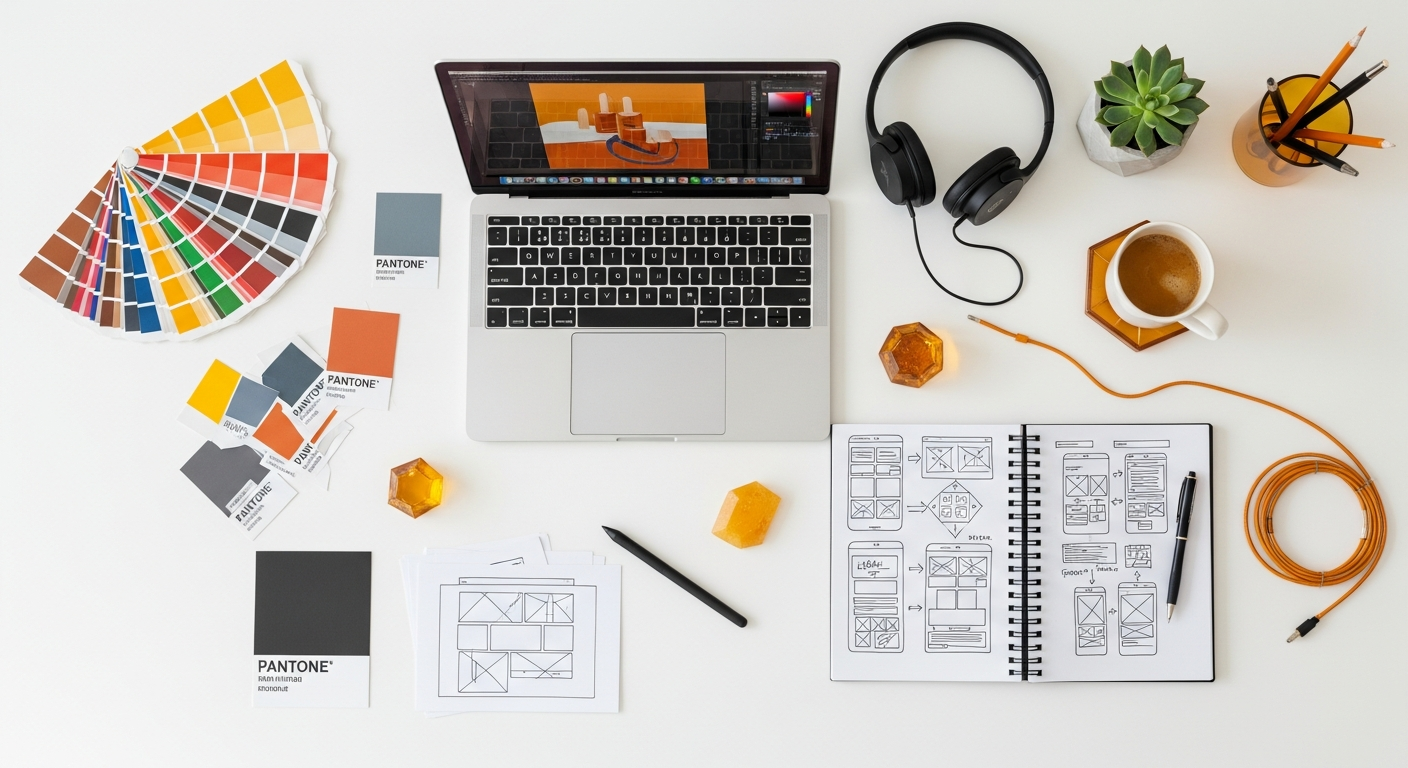
Best app design of 2019
Welcome to Layout Scene, where we believe that exceptional design transcends mediums, whether it’s the carefully curated aesthetics of a living room, the intuitive flow of a user interface, or the thoughtful placement of elements in a mobile application. Just as a beautifully designed home can uplift your spirit and enhance your daily life, a brilliantly crafted app can transform your digital interactions into moments of pure delight and efficiency. Today, we’re taking a nostalgic yet forward-looking journey back to 2019, a year that, in retrospect, proved to be a pivotal moment in the evolution of app design. It was a period where creativity flourished, user experience became paramount, and visual narratives took center stage, laying the groundwork for many of the sophisticated digital experiences we cherish in 2026. Prepare to be inspired by the visionaries who shaped our screens and, by extension, our perception of digital beauty and functionality.

The Golden Age of Digital Aesthetics: Why 2019 Was a Landmark Year for App Design

Stepping back to 2019, we find ourselves at a fascinating juncture in the history of digital design. This wasn’t merely a year of incremental updates; it was a period characterized by a significant leap forward in how applications were conceived, designed, and interacted with. The prevailing ethos shifted from simply functional to profoundly experiential. Designers began to truly understand the power of visual storytelling and the psychological impact of a well-executed user interface.

One of the most defining characteristics of 2019 was the widespread adoption and refinement of minimalism. Gone were the days of skeuomorphism’s overt textures and shadows; in their place emerged clean lines, ample white space, and a focus on essential elements. This approach wasn’t about stripping away detail but about intentionality – ensuring every pixel served a purpose, much like a well-designed interior where every piece of furniture and decor contributes to the overall harmony and function of the space. This minimalist trend allowed for greater clarity and reduced cognitive load, making apps feel less cluttered and more inviting.

Another monumental trend that began its ascent in 2019, and has since become ubiquitous, was the rise of Dark Mode. What started as a niche preference, often tied to developer tools or specific productivity apps, quickly became a mainstream feature. Its appeal was multifaceted: reducing eye strain, especially in low-light conditions; conserving battery life on OLED screens; and offering a sleek, sophisticated aesthetic that resonated deeply with users. For interior design enthusiasts, the parallel is clear: just as different lighting schemes can dramatically alter the mood and perceived spaciousness of a room, Dark Mode offered a fresh perspective on digital environments, transforming bright, often stark interfaces into serene, elegant canvases.

Beyond aesthetics, 2019 saw a profound emphasis on personalization. Apps began to move beyond one-size-fits-all solutions, offering users unprecedented control over their digital environments. Customization options, from theme colors to content feeds, became standard. This mirrored the growing desire in home decor for bespoke solutions – spaces that truly reflect the individual’s personality and lifestyle, rather than generic showroom aesthetics. Apps were no longer just tools; they were becoming extensions of our digital identity.

Micro-interactions, those subtle animations and feedback cues that make an app feel alive, also matured significantly. A tap, a swipe, a loading screen – each was an opportunity for designers to inject personality and provide delightful feedback. These tiny details, often overlooked by the casual user, played a crucial role in creating a sense of polish and responsiveness, making the overall experience feel premium and engaging. It’s akin to the subtle textures in a fabric or the perfect ergonomic curve of a chair; small details that elevate the entire experience of a physical space.

Finally, 2019 marked a growing awareness and commitment to accessibility. Designers began to proactively consider users with diverse needs, implementing features like larger text options, improved contrast ratios, and better support for screen readers. This push for inclusivity ensured that the beauty and functionality of these innovative apps were available to a broader audience, embodying the principle that good design should be for everyone, a core tenet we also champion in creating accessible and comfortable living spaces.

Seamless Experiences and Intuitive Interfaces: Apps That Mastered UX in 2019

Best App Design Of 2019

In the world of app design, user experience (UX) is the invisible architecture that dictates how effortlessly and enjoyably we navigate digital spaces. In 2019, the apps that truly stood out were those that didn’t just look good, but felt inherently right, almost an extension of our own thoughts and intentions. This mastery of UX involved a deep understanding of human psychology, anticipating user needs, and crafting journeys that were both logical and delightful.

One of the primary areas where UX shone brightly was in onboarding processes. Apps moved away from lengthy tutorials or confusing sign-up flows. Instead, they embraced progressive onboarding, guiding users through key features only when necessary, or allowing them to explore at their own pace. This approach made new apps feel less intimidating and more immediately useful, much like walking into a well-designed home where the layout intuitively guides you from one space to another without feeling lost or overwhelmed. The goal was instant gratification and clear value proposition from the very first interaction.

Navigation became supremely streamlined. The omnipresent bottom navigation bar solidified its reign, offering quick access to core functionalities without cluttering the screen. Hamburger menus, while still present, were often relegated to secondary functions, ensuring primary actions were always within thumb’s reach. This emphasis on ergonomic design mirrors the principles of smart home layout – ensuring that frequently used items and pathways are easily accessible and logically placed, enhancing daily efficiency and comfort. Are you ready to enhance your home with similar levels of thoughtful planning and intuitive access? The principles of good app navigation can certainly inspire how we think about the flow and accessibility within our physical spaces.

Information architecture also saw significant improvements. Designers became adept at chunking information, using clear hierarchies, and employing visual cues to guide the user’s eye. This meant less scrolling, fewer taps, and a greater sense of control. For instance, many productivity apps introduced robust tagging systems and intelligent search functionalities, allowing users to quickly find what they needed without digging through endless folders. Health and wellness apps, similarly, presented complex data like sleep patterns or workout statistics in easily digestible graphs and summaries, empowering users with actionable insights without overwhelming them.

The feedback loop within apps also became more sophisticated. Beyond simple loading spinners, apps incorporated subtle animations, haptic feedback, and clear success/error messages that provided immediate and understandable responses to user actions. These cues reduced user frustration and built trust, making the interaction feel more like a conversation with an intelligent system rather than a series of commands to a static machine. Think of how a smart thermostat provides visual confirmation of a temperature change, or how an automated lighting system gently fades on; these are physical manifestations of the same thoughtful feedback principles found in leading 2019 apps.

Furthermore, the integration of context-aware features grew. Apps started leveraging location data, time of day, and user behavior patterns to offer more relevant content and functionalities. A weather app might automatically show you the forecast for your current location, or a news app might prioritize stories based on your reading history. This proactive design, where the app anticipates your needs, created a truly personalized and efficient experience. This predictive intelligence is something we increasingly seek in our smart homes, where devices learn our routines and adjust settings accordingly, creating an environment that feels tailor-made and responsive to our very presence.

In essence, 2019 was the year UX matured into a truly empathetic discipline. Apps were designed not just for users, but with users in mind, creating digital environments that felt natural, supportive, and inherently easy to use. This focus on seamless interaction and intuitive design continues to be a gold standard, proving that the true power of an app lies not just in what it does, but in how beautifully it allows you to do it.

Visual Splendor and Brand Storytelling: The Aesthetic Revolution of 2019 Apps

💡 Pro Tip

While UX provides the bones of an app, UI (User Interface) is its vibrant skin, its personality, and its immediate appeal. In 2019, app designers truly embraced the power of visual splendor, transforming screens into canvases for brand storytelling and emotional connection. This era moved beyond mere functionality, recognizing that aesthetic delight is a critical component of user engagement, much like the curated beauty of a well-appointed interior can evoke specific feelings and impressions.

One of the most striking visual trends of 2019 was the bold and innovative use of color palettes. Designers moved away from safe, monochromatic schemes, daring to experiment with vibrant gradients, rich jewel tones, and sophisticated muted palettes. These colors weren’t chosen arbitrarily; they were carefully selected to evoke specific emotions, reinforce brand identity, and create visual hierarchy. A financial app might use calming blues and greens to convey trust and stability, while a creative editing app might burst with energetic purples and oranges to inspire innovation. This thoughtful application of color directly parallels the interior designer’s strategic use of hues to define mood, highlight architectural features, or create focal points within a room.

Typography also experienced a renaissance. Apps began to leverage custom fonts and sophisticated type pairings, recognizing that typography is not just about readability but also about conveying tone and brand personality. Bold headlines, elegant body text, and subtle accent fonts combined to create visually rich and engaging interfaces. The careful selection of fonts could make an app feel authoritative, playful, luxurious, or approachable – a nuanced art form akin to choosing the perfect wallpaper or a statement art piece for a living space.

Furthermore, 2019 saw a significant rise in the integration of custom illustrations and animations. These visual assets added a layer of warmth, personality, and approachability that stock photography simply couldn’t achieve. From whimsical onboarding illustrations to charming animated feedback, these elements made apps feel more human and less sterile. They served as mini-narratives, guiding users, celebrating successes, or gently informing them of issues. This artistic flourish transformed the user experience, much like bespoke art or custom-built furniture can define the unique character of a home. Consider a look at the mobile kitchen restaurant concept, where every visual detail, from the logo to the food truck’s exterior design, contributes to a cohesive and inviting brand story; 2019 apps applied this same holistic visual strategy to their digital environments.

The evolution of iconography also contributed to this visual revolution. Icons became simpler, more universally recognizable, and often more stylized to align with the app’s overall aesthetic. They were not just symbols but integral parts of the visual language, contributing to both functionality and beauty. This attention to detail ensured that every visual element, no matter how small, reinforced the app’s brand and enhanced the user’s visual journey.

Beyond individual elements, 2019 apps excelled at creating visual consistency across their entire experience. This meant that colors, fonts, icons, and illustrations all worked in harmony, contributing to a cohesive brand identity. This consistency built trust and made the app feel polished and professional. It’s the digital equivalent of a meticulously designed home where every room, while unique, shares a common design thread, creating a harmonious and unified aesthetic throughout. This attention to detail in visual branding and storytelling made 2019 a standout year, proving that compelling aesthetics are not just a luxury, but a necessity for truly engaging digital experiences.

Innovation Beyond the Screen: Apps Pushing Boundaries and Enhancing Daily Life

Best App Design Of 2019

While elegant interfaces and seamless experiences were hallmarks of 2019 app design, the year was also defined by significant leaps in innovation, with apps moving beyond mere screen-based interactions to genuinely enhance and integrate with our daily lives. This era saw applications leveraging nascent technologies and smart device ecosystems to offer unprecedented utility, often blurring the lines between the digital and physical worlds. For home decorators and enthusiasts, this convergence is particularly exciting, as it points to a future where our living spaces are not just aesthetically pleasing but also intelligently responsive.

One of the most impactful areas of innovation was the deepened integration with smart home ecosystems. In 2019, apps for smart lighting, thermostats, security systems, and entertainment hubs became increasingly sophisticated. They moved beyond simple on/off controls to offer advanced scheduling, personalized automation routines, and comprehensive monitoring dashboards. Imagine an app that allows you to set the perfect mood lighting for dinner, adjust the temperature remotely, and check your front door camera, all from a single, beautifully designed interface. This level of control and convenience directly speaks to the desire for homes that are not just beautiful but also effortlessly functional and secure.

Augmented Reality (AR) saw significant strides in 2019, moving beyond novelty to offer practical applications. Furniture retail apps, for instance, allowed users to virtually place 3D models of sofas or tables in their own living rooms, seeing exactly how they would look and fit before making a purchase. This innovative use of AR revolutionized the shopping experience, making interior design decisions less speculative and more confident. It was a true game-changer for visualizing how digital products could manifest in physical spaces, bridging a crucial gap for online shoppers.

The rise of AI and machine learning also powered smarter, more predictive apps. From personalized content recommendations in streaming services to intelligent health trackers that analyzed patterns and offered proactive advice, AI made apps more intuitive and responsive to individual user needs. These apps learned from user behavior, adapting and evolving to provide increasingly relevant and valuable experiences. This foresight and adaptability are qualities we covet in our homes – spaces that anticipate our needs, manage resources efficiently, and contribute to our well-being.

Perhaps one of the most compelling examples of apps enhancing daily life, especially for the discerning homeowner, relates to utility and home maintenance. In 2019, a growing number of apps emerged that offered insights into various aspects of home management, from energy consumption monitoring to appliance diagnostics. These apps empowered users with data and control, enabling them to make more informed decisions about their living environments. For example, apps could connect with smart water systems, providing real-time data on water usage, detecting leaks, and even monitoring water quality. This brings us to a crucial point for any homeowner: Why investing in halo 5 water filtration makes sense for your home. Imagine an app that not only tells you about your general water consumption but also integrates with advanced filtration systems like Halo 5, allowing you to monitor filter life, track water quality improvements, and even schedule maintenance. Such integrations, pioneered in 2019, transformed abstract concepts like water quality into tangible, manageable aspects of home care, ensuring peace of mind and promoting a healthier living environment. These apps exemplified how digital innovation could directly translate into tangible benefits, safeguarding our health and enhancing the longevity of our homes.

In summary, 2019 was a year where app design truly broadened its scope, reaching beyond the confines of the smartphone screen to intertwine with our physical realities. By leveraging smart home tech, AR, and AI, these innovative applications didn’t just look good; they actively contributed to creating more efficient, secure, and ultimately, more comfortable and intelligent homes, setting a precedent for the integrated living experiences we continue to refine in 2026.

Personalization and Purpose: Tailoring Digital Spaces for Every User

The concept of a one-size-fits-all digital experience became increasingly obsolete in 2019. This pivotal year saw app designers making significant strides in personalization, understanding that just as no two homes are exactly alike, no two users have identical needs or preferences. The apps that truly shone were those that empowered users to tailor their digital environments, creating spaces that felt uniquely their own and perfectly aligned with their individual purposes. This philosophy resonates deeply with interior design, where the ultimate goal is to craft bespoke spaces that reflect the homeowner’s personality, lifestyle, and aspirations.

One of the most prominent ways apps achieved this was through sophisticated customization options. Beyond basic theme changes, users could often reorder sections, hide irrelevant features, or even create custom dashboards that displayed only the information most pertinent to them. For instance, a news aggregator app might allow users to meticulously curate their feed based on specific topics, sources, and even preferred authors. This level of granular control transformed a generic information portal into a highly specialized, personal newsroom. This is akin to designing a custom closet system or a modular furniture arrangement – the user is given the tools to build a digital space that perfectly serves their unique requirements.

Adaptive interfaces also played a crucial role. These apps weren’t just customizable; they learned. Through machine learning algorithms, they observed user behavior – what features were used most often, what content was consumed, what preferences were consistently chosen – and then dynamically adjusted the interface to prioritize relevant elements. A music streaming app, for example, would intelligently recommend new artists and playlists based on past listening habits, making discovery feel organic and tailored. This predictive personalization created a sense of proactive service, where the app felt like a thoughtful assistant anticipating your next move.

The focus on purpose-driven design was another hallmark. Apps in 2019 were increasingly designed with a clear understanding of the user’s ultimate goal. Whether it was to manage finances, track fitness, or foster creativity, every feature and interaction was meticulously crafted to help the user achieve that purpose with minimal friction. This meant stripping away distractions and highlighting core functionalities, ensuring that the app served as an efficient tool rather than a cluttered digital playground. This mirrors the principle in interior design of creating functional zones within a home – a dedicated workspace, a serene reading nook, an efficient kitchen – each designed with a specific purpose in mind to enhance productivity and enjoyment.

Furthermore, 2019 apps embraced user-generated content and community features as a form of personalization. Platforms that allowed users to create and share their own designs, recipes, workout routines, or curated collections fostered a sense of ownership and belonging. This turned passive consumption into active participation, making the app experience richer and more dynamic. It’s similar to how a home decorator might encourage a client to incorporate personal heirlooms or travel souvenirs, making the space deeply personal and infused with their own story.

The commitment to privacy and data control also became an integral part of personalization. As apps collected more data to offer tailored experiences, designers also focused on transparent privacy policies and easy-to-manage privacy settings, building trust and empowering users with control over their personal information. This ethical approach to personalization ensured that tailored experiences felt empowering rather than intrusive.

In conclusion, 2019 was a testament to the power of putting the user at the center of the design process. By offering unprecedented levels of personalization, creating adaptive interfaces, and focusing relentlessly on user purpose, apps transformed from generic utilities into indispensable digital companions. This deep understanding of individual needs and desires continues to inspire designers across all fields, reinforcing the idea that the most impactful designs are those that are truly made for you.

The Lasting Legacy: How 2019’s App Design Continues to Inspire in 2026

As we stand in 2026, looking back at the digital landscape of 2019, it becomes strikingly clear that many of the design principles and innovations born in that year were not fleeting trends but foundational shifts that continue to shape the applications we use today. The groundwork laid by pioneering designers half a decade ago has matured, evolved, and become deeply embedded in the contemporary app experience, proving that truly thoughtful design has an enduring quality, much like timeless architectural styles or classic interior aesthetics.

The minimalist aesthetic, which gained significant traction in 2019, remains a dominant force. While it has evolved from stark simplicity to a more nuanced “soft minimalism” that incorporates subtle textures and warmer color palettes, the core principle of clarity, intentionality, and focus on essential elements persists. In 2026, apps still prioritize clean layouts, ample white space, and intuitive navigation, demonstrating the lasting power of reducing visual clutter for enhanced user focus and calm. This minimalist ethos has permeated beyond screens, influencing everything from product design to the increasingly streamlined and serene interiors we design today.

Dark Mode, a burgeoning trend in 2019, is now an almost universal expectation. Its benefits for eye comfort and battery efficiency are undeniable, and its aesthetic appeal continues to resonate. Modern apps often offer multiple theme options, including sophisticated dark modes that complement their brand identity, showcasing the enduring popularity and necessity of this feature. It speaks to a greater user control over their digital environment, a trend that only accelerated since 2019.

The emphasis on intuitive user experience (UX) from 2019 has become the baseline expectation. Users in 2026 simply expect apps to be easy to use, to anticipate their needs, and to provide seamless interactions. The sophisticated onboarding flows, clear information architecture, and delightful micro-interactions that characterized leading apps in 2019 are now standard practice. Designers today build upon these strong UX foundations, pushing the boundaries further with more intelligent AI-driven personalization and even more fluid multi-device experiences. The seamlessness we experience in apps today is a direct descendant of the meticulous UX design of 2019.

Personalization, too, has deepened significantly. What started as customizable themes and curated feeds in 2019 has evolved into highly adaptive, AI-powered systems that learn and grow with the user. Apps in 2026 leverage sophisticated algorithms to offer hyper-personalized content, features, and even interfaces that dynamically change based on context, behavior, and preferences. This continuous adaptation, where the app truly feels like it’s evolving alongside you, is a direct legacy of the personalization efforts initiated five years prior.

Furthermore, the integration of apps with our physical world, spearheaded by smart home connectivity and early AR applications in 2019, has blossomed into a complex, interconnected ecosystem. In 2026, smart home apps are more powerful, more integrated, and more intelligent than ever, allowing for truly automated and responsive living spaces. AR is no longer a niche feature but an invaluable tool for everything from interior design visualization to interactive learning. These advancements underscore how 2019 was a foundational year for bridging the digital and physical, setting the stage for the highly integrated and intelligent environments we inhabit today.

In essence, 2019 was not just a year of trends; it was a year of establishing enduring principles. The focus on user-centricity, aesthetic excellence, intuitive functionality, and meaningful innovation has created a robust legacy that continues to inspire and guide app designers in 2026. It serves as a powerful reminder that great design is timeless, continually influencing how we interact with technology and how we envision the spaces – both digital and physical – that enrich our lives.

Frequently Asked Questions

What made 2019 a standout year for app design?
2019 was a landmark year because it saw a widespread adoption of several transformative design principles. These included a strong move towards minimalism and clean interfaces, the popularization of Dark Mode, a significant emphasis on personalization, and the refinement of micro-interactions that made apps feel more alive. Designers began to prioritize user experience (UX) and visual storytelling, creating digital products that were not only functional but also aesthetically delightful and emotionally resonant, setting new standards for the industry.
How did 2019 app design trends influence interior design?
The influence was profound and indirect. The principles of clarity, intentionality, and user-centricity in app design resonated with interior design. For instance, the minimalist approach in apps inspired a similar desire for clutter-free, functional, and serene living spaces. The focus on personalization in apps mirrored the growing demand for bespoke home decor that reflects individual tastes. Even the rise of Dark Mode paralleled the interest in creating moody, sophisticated atmospheres in homes, and the seamless UX of apps inspired a desire for intuitive, smart home integrations that make living spaces more efficient and enjoyable. Just as an app guides a user, a well-designed home guides its inhabitants.
Were there any specific technologies that impacted app design in 2019?
Absolutely. While not entirely new, 2019 saw the practical application and maturation of several key technologies within app design. Augmented Reality (AR) began to move beyond novelty, offering practical uses like virtual furniture placement in homes. Artificial Intelligence (AI) and machine learning started to power more sophisticated personalization and predictive features, making apps smarter and more responsive to user behavior. Deeper integration with smart home ecosystems also emerged, allowing apps to control and monitor various aspects of a user’s physical environment, from lighting to water filtration systems like the Halo 5, enhancing daily life beyond the screen.
What role did user experience (UX) play in 2019’s best apps?
UX was paramount in 2019. The best apps of that year excelled in providing seamless, intuitive, and delightful user journeys. This involved streamlined onboarding processes, clear information architecture, ergonomic navigation (like the ubiquitous bottom navigation bar), and rich, immediate feedback loops through animations and haptics. The goal was to make apps feel natural and effortless to use, anticipating user needs and reducing cognitive load, much like a well-designed home intuitively guides its occupants through its spaces.
How do 2019 app design principles still apply in 2026?
Many of 2019’s principles are foundational to app design in 2026. Minimalism has evolved but remains key for clarity. Dark Mode is now standard. The focus on intuitive UX is an absolute expectation, with designers building upon these foundations for even more sophisticated, AI-driven, and multi-device experiences. Personalization has deepened significantly, becoming hyper-adaptive. The integration with smart home technology, like that which makes investing in Halo 5 water filtration systems so sensible for your home, has also vastly expanded, showing how 2019 laid the groundwork for the highly interconnected digital and physical environments we experience today.
What trends from 2019 are most relevant for someone looking to enhance their home today?
For home decorators and enthusiasts, the 2019 app design trends offer valuable insights for enhancing physical spaces. The emphasis on minimalism and clean aesthetics encourages decluttering and focusing on essential, well-designed pieces. The drive for personalization reminds us to create spaces that truly reflect our individual styles and needs, rather than following generic trends. The focus on intuitive UX can inspire us to design homes with logical flow, accessible features, and smart integrations, much like how a mobile kitchen restaurant concept is designed for optimal efficiency. Finally, the innovation in smart home apps and integration with systems like Halo 5 water filtration highlights the importance of leveraging technology to create more comfortable, efficient, and healthier living environments. Are you ready to enhance your home by applying these thoughtful, user-centric design philosophies?