Defining Your Vision: The Blueprint for a Brighter Home
Embarking on a home enhancement journey begins not with a hammer or a paintbrush, but with introspection. Before you move a single piece of furniture or choose a new paint swatch, you need to articulate your vision. What feelings do you want your home to evoke? What practical challenges do you currently face within your space? Are you dreaming of a more serene bedroom, a highly functional kitchen, or an outdoor area that truly extends your living space?
This initial phase is about identifying both the pain points and the aspirations. Start by observing your daily routines. Where do bottlenecks occur? Is your kitchen island constantly cluttered? Does your living room lack adequate lighting for evening reading? Are there areas of your home that feel underutilized or uninviting?
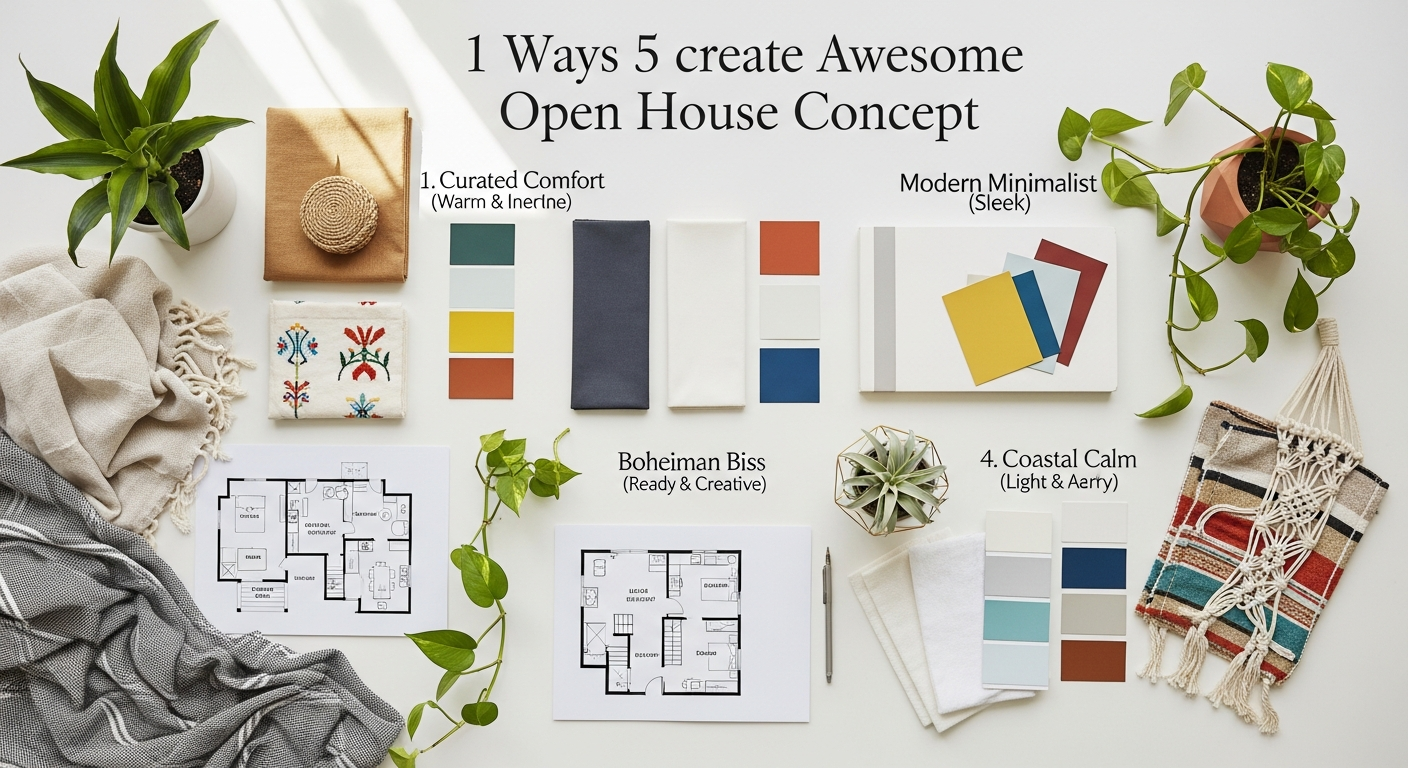
Once you’ve pinpointed these areas, shift your focus to inspiration. Create digital mood boards using platforms like Pinterest or physical collages with clippings from design magazines. Gather images, textures, and color palettes that resonate with you. Don’t limit yourself to just interior shots; consider landscapes, fashion, or even pieces of art that capture the aesthetic you’re drawn to. Pay attention to how different elements interact and what emotions they stir within you. Are you leaning towards minimalist calm, bohemian vibrancy, or classic elegance?
Consider your lifestyle changes and future needs. Are you working from home more often, necessitating a dedicated office space? Is your family growing, requiring more adaptable rooms? Perhaps you’re envisioning a more active outdoor life. For instance, if you have a pool or outdoor spa, thinking about its long-term care and usability might bring up the topic of covers. Beyond aesthetics, enhancing your home also means future-proofing it. Three reasons to cover a pool or outdoor spa, for example, are paramount: enhanced safety for children and pets, significant reduction in maintenance and cleaning efforts, and improved energy efficiency by minimizing heat loss and evaporation. Such practical considerations are as much a part of home enhancement as choosing the perfect throw pillow, ensuring your space serves you well for years to come.
Ultimately, this stage is about crafting a clear, cohesive narrative for your home. It’s about understanding what truly matters to you and translating those desires into a tangible plan that will guide every subsequent decision.
Beyond the Surface: Enhancing Functionality and Flow
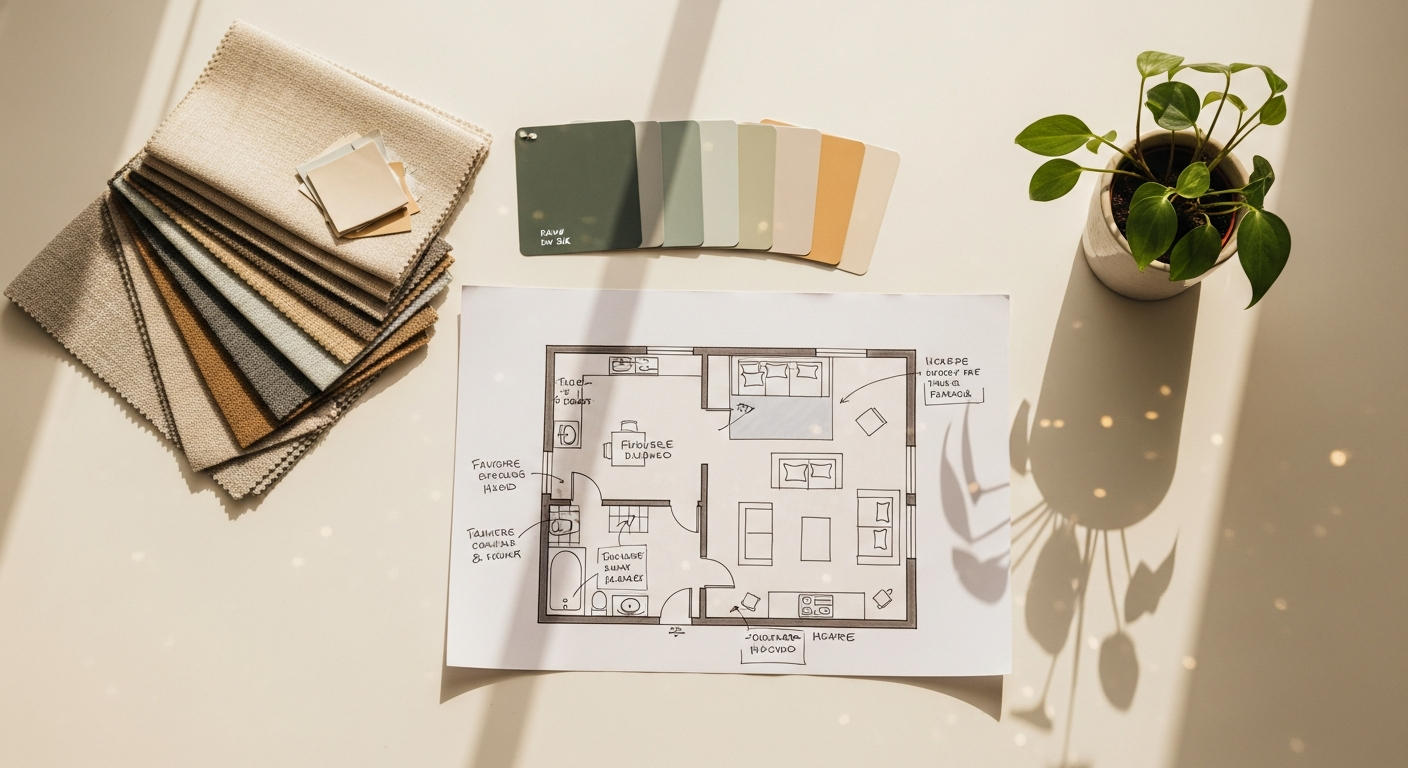
A beautiful home is one that functions effortlessly. In 2026, the emphasis on seamless living and intuitive spaces is stronger than ever. Enhancing functionality means optimizing how you move, live, and interact within your home, ensuring every square foot serves a purpose and contributes to your overall well-being.
- Rethinking Layouts: While open-concept living has been a dominant trend, many homeowners are now seeking a balance between spaciousness and defined zones. Consider how you can create distinct areas within larger rooms using furniture arrangement, rugs, or subtle architectural features like screens or half-walls. This allows for both connection and privacy, catering to diverse activities simultaneously. For kitchens, the traditional triangle layout is evolving. Drawing inspiration from innovative concepts like a look at the mobile kitchen restaurant concept, where flexibility and modularity are key, homeowners can explore customizable islands, pull-out workstations, and multi-functional appliances. This approach allows for a dynamic kitchen that can adapt to cooking, entertaining, or even homework sessions with ease.
- Smart Home Integration: Technology, when thoughtfully integrated, can significantly enhance convenience and efficiency. From smart lighting systems that adapt to circadian rhythms to intelligent thermostats that learn your preferences, and security systems that offer peace of mind, the options are vast. Focus on solutions that genuinely simplify your life rather than just adding complexity. Voice-activated assistants, automated blinds, and integrated sound systems can transform your daily experience, making your home truly responsive to your needs.
- Ergonomics and Accessibility: Design choices should support the human body and varying abilities. This means considering comfortable seating heights, adequate counter depths, and clear pathways. If you anticipate aging in place or have family members with specific needs, incorporate universal design principles from the outset. Lever handles, curbless showers, and wider doorways are not just for accessibility; they contribute to a more comfortable and spacious feel for everyone.
- Strategic Storage Solutions: Clutter is the enemy of calm. Smart storage is paramount for a functional home. Think vertically with floor-to-ceiling shelving, utilize hidden spaces like under-stair storage or built-in benches with lift-up lids, and invest in modular systems that can adapt as your needs change. Custom cabinetry, drawer organizers, and clever pantry solutions can transform chaotic areas into organized havens. Remember, every item should have a home, making tidying effortless and maintaining a sense of order.
By prioritizing functionality, you create a home that not only looks good but also actively supports your life, making every day smoother, more organized, and ultimately, more enjoyable.
Aesthetic Alchemy: Crafting Your Home’s Unique Narrative
- Color Psychology and Palettes: Colors have a profound impact on our mood and perception of space. Beyond simply choosing hues you like, consider the psychology behind them. Warm tones like terracotta and mustard can create a cozy, inviting atmosphere, while cool blues and greens foster tranquility and serenity. Neutrals in 2026 are far from boring; think rich, earthy tones, warm grays, and complex off-whites that provide a sophisticated backdrop for other elements. Experiment with monochromatic schemes for understated elegance, or introduce pops of vibrant color through accent walls or decor to add personality.
- Texture and Material Play: The tactile experience of a space is just as important as the visual. Introducing a variety of textures adds depth, warmth, and interest. Imagine the softness of a boucle sofa against the rough grain of a reclaimed wood coffee table, or the coolness of marble juxtaposed with a plush wool rug. Materials like natural stone, linen, velvet, rattan, and brushed metals each bring their own unique character. Don’t be afraid to mix and match; this layering creates a rich, multi-sensory experience that makes a room feel lived-in and luxurious.
-
Lighting Design: Often underestimated, lighting is one of the most powerful tools in interior design. It can transform the mood, highlight architectural features, and improve functionality. Aim for a layered lighting scheme:
- Ambient Lighting: Provides overall illumination (recessed lights, ceiling fixtures).
- Task Lighting: Focused light for specific activities (under-cabinet lights, reading lamps).
- Accent Lighting: Highlights artwork or architectural details (spotlights, wall washers).
Beyond artificial light, maximize natural light wherever possible. Consider sheer curtains, strategically placed mirrors to reflect light, and even solar tubes for darker interior spaces. The interplay between natural and artificial light throughout the day can dramatically alter the perception and feel of your home.
- Art and Decor Selection: These are the finishing touches that infuse your personality into a space. Choose artwork, sculptures, and decorative objects that resonate with you personally. They don’t have to be expensive; a collection of meaningful photographs, handcrafted items, or curated flea market finds can tell a more compelling story than mass-produced pieces. Arrange them thoughtfully, considering scale, balance, and visual flow. Remember that less can often be more; a few carefully chosen pieces can have a greater impact than a cluttered display.
- Personalization vs. Trends: While it’s inspiring to look at current trends for 2026, the goal is not to create a showroom. The most beautiful homes are those that reflect the unique individuals who inhabit them. Embrace trends that align with your personal aesthetic, but don’t be afraid to break rules or incorporate heirloom pieces that hold sentimental value. Your home should be a collection of things you love, arranged in a way that brings you joy and comfort, telling your unique story to all who enter.
Through thoughtful aesthetic choices, you transform mere rooms into meaningful spaces, creating a home that is both visually stunning and deeply personal.
Well-being at the Core: Health-Conscious Home Enhancements
In 2026, the concept of home enhancement has expanded far beyond superficial aesthetics to embrace holistic well-being. Our homes are increasingly viewed as vital contributors to our physical and mental health. Designing with wellness in mind means creating environments that nurture, restore, and inspire.
- Biophilic Design Principles: This approach integrates natural elements into the built environment to connect occupants with nature. This can manifest as abundant indoor plants that purify the air and add visual serenity, natural materials like wood and stone, views of greenery, or even subtle patterns and textures inspired by organic forms. Introducing elements of water, whether through a small indoor fountain or simply the sound of rain outside, can also be incredibly calming. Biophilic design has been shown to reduce stress, improve cognitive function, and enhance overall mood.
-
Air Quality and Ventilation: The air we breathe inside our homes can often be more polluted than outdoor air. Enhancing indoor air quality is crucial.
- Ventilation: Ensure proper airflow with exhaust fans in kitchens and bathrooms, and consider whole-house ventilation systems. Regularly opening windows and doors, even for short periods, can significantly refresh the air.
- Air Purification: Invest in high-quality air purifiers, especially if you live in an urban area or have allergies.
- Low-VOC Materials: When painting or purchasing new furniture, opt for products with low or zero volatile organic compounds (VOCs) to minimize off-gassing of harmful chemicals.
- Natural Cleaners: Reduce chemical exposure by using natural, non-toxic cleaning products.
- Natural Light Maximization: Exposure to natural light regulates our circadian rhythms, boosts vitamin D production, and improves mood. Design your home to maximize natural light by using sheer window treatments, strategically placed mirrors, and avoiding heavy, light-blocking furniture near windows. Skylights, sun tunnels, and larger windows can dramatically brighten interior spaces, reducing the need for artificial lighting during the day and fostering a sense of openness and connection to the outdoors.
-
Sound Dampening and Acoustics: A noisy home can be a source of constant stress. Consider solutions for sound control, especially in open-plan areas or bedrooms.
- Soft Furnishings: Rugs, curtains, upholstered furniture, and wall hangings absorb sound, reducing echoes and creating a more tranquil atmosphere.
- Insulation: For new constructions or major renovations, consider soundproofing insulation in walls and ceilings between rooms.
- Strategic Layout: Place noisy appliances away from quiet zones like bedrooms or home offices.
Creating a peaceful acoustic environment contributes significantly to relaxation and focus.
- Pure Water Solutions: The quality of the water we consume and bathe in directly impacts our health. Investing in a robust water filtration system is a proactive step towards a healthier home. This is precisely why investing in Halo 5 water filtration makes sense for your home. Halo 5 systems go beyond basic filters, offering comprehensive whole-home solutions that address sediment, chlorine, chloramines, hardness, and scale. This means cleaner, better-tasting drinking water directly from your tap, softer water for bathing that’s gentler on skin and hair, and prolonged life for your appliances by reducing scale buildup. It’s an investment in your family’s health, comfort, and the longevity of your plumbing infrastructure, ensuring every drop of water in your home contributes positively to your well-being.
By thoughtfully integrating these health-conscious elements, your home transforms from a mere dwelling into a true wellness sanctuary, actively supporting a vibrant and healthy lifestyle.
Outdoor Oasis: Extending Your Living Space
The boundaries between indoor and outdoor living are increasingly blurring, with homeowners seeking to extend their comfort and style beyond the four walls of their house. In 2026, creating an outdoor oasis is not just about curb appeal; it’s about expanding your functional living space, enhancing your connection to nature, and providing versatile areas for relaxation, entertainment, and personal growth.
- The Importance of Outdoor Areas: Think of your patio, deck, balcony, or garden as an additional room. How can it serve your lifestyle? Do you dream of al fresco dining, a quiet reading nook amidst greenery, a vibrant space for social gatherings, or a tranquil spot for meditation? Defining the purpose of your outdoor space is the first step towards its successful enhancement.
-
Landscaping and Hardscaping: These form the foundation of your outdoor oasis.
- Hardscaping: Patios, decks, pathways, retaining walls, and pergolas provide structure and define zones. Consider durable, aesthetically pleasing materials like natural stone, composite decking, or permeable pavers that also aid in water management.
- Landscaping: Thoughtful planting can create privacy, add color and fragrance, and attract local wildlife. Choose plants suitable for your climate and maintenance preferences. Integrate raised garden beds for herbs or vegetables, or create a xeriscape garden for low-water beauty. Vertical gardens are also gaining popularity for small spaces, adding a lush green wall.
-
Outdoor Furniture and Decor: Just as with your interiors, selecting the right furniture and decor is key to creating comfort and style outdoors.
- Furniture: Invest in weather-resistant pieces that are both comfortable and durable. Modular sectionals, dining sets, lounge chairs, and even daybeds can transform your outdoor area into a true extension of your home. Consider materials like teak, aluminum, all-weather wicker, or marine-grade polymers.
- Decor: Outdoor rugs, throw pillows, lanterns, string lights, and potted plants add personality and warmth. Outdoor-rated art can create focal points. Fire pits or outdoor fireplaces not only provide warmth but also a captivating ambiance, encouraging longer evenings spent outdoors.
-
Creating Year-Round Usability: Don’t let seasonal changes limit your outdoor enjoyment.
- Shelter: Pergolas, awnings, or covered patios offer shade in summer and protection from light rain.
- Heating: Outdoor heaters, fire pits, or fireplaces extend usability into cooler months.
- Lighting: Thoughtful outdoor lighting, including pathway lights, accent lights, and overhead string lights, enhances safety and creates a magical atmosphere after dusk.
- Water Features: If you have a pool or outdoor spa, ensuring its year-round readiness and safety is vital. As mentioned earlier, 3 reasons to cover a pool or outdoor spa are compelling: it significantly improves safety for children and pets, dramatically reduces leaf debris and chemical evaporation (cutting down on maintenance and costs), and helps retain heat, making it more energy-efficient and extending its usable season. A well-designed cover can also integrate seamlessly with your outdoor aesthetics.
By investing in your outdoor spaces, you not only increase your home’s square footage but also create invaluable opportunities for relaxation, entertainment, and connection with the natural world, truly elevating your overall living experience.
Sustainable Style: Eco-Conscious Enhancements for 2026 and Beyond
As we look towards 2026, the imperative for sustainable living is no longer a niche trend but a core principle guiding thoughtful home enhancement. Creating an eco-conscious home means making choices that reduce environmental impact, conserve resources, and promote a healthier planet, all without compromising on style or comfort. Sustainable design is about longevity, efficiency, and mindful consumption.
-
Embracing Sustainable Materials:
- Reclaimed and Recycled: Opt for reclaimed wood for flooring, furniture, or accent walls. Use recycled glass countertops, recycled plastic decking, or tiles made from recycled content. These materials often come with unique stories and character.
- Rapidly Renewable Resources: Bamboo, cork, and linoleum are excellent choices for flooring and surfaces due to their fast growth cycles and natural durability.
- Non-Toxic and Low-VOC: Prioritize paints, finishes, adhesives, and sealants that are low in volatile organic compounds (VOCs) to ensure better indoor air quality and reduce harmful chemical emissions.
- Locally Sourced: Whenever possible, choose materials and products that are manufactured locally to reduce transportation emissions and support regional economies.
-
Energy Efficiency as a Cornerstone:
- Insulation and Air Sealing: Proper insulation in walls, attics, and floors, along with sealing air leaks around windows and doors, is fundamental to reducing energy consumption for heating and cooling. This is often the most cost-effective long-term upgrade.
- High-Performance Windows: Upgrade to double or triple-pane windows with low-emissivity (Low-E) coatings. These help to minimize heat transfer, keeping your home warmer in winter and cooler in summer, while also blocking harmful UV rays.
- Energy-Efficient Appliances: When replacing appliances, look for Energy Star certified models. These are designed to use less energy, saving you money on utility bills and reducing your carbon footprint.
- Smart Thermostats: Programmable and smart thermostats learn your habits and optimize heating and cooling schedules, further enhancing energy savings.
- LED Lighting: Replace incandescent bulbs with LED alternatives. LEDs consume significantly less energy, last much longer, and offer a wide range of color temperatures and brightness levels.
-
Water Conservation Strategies:
- Low-Flow Fixtures: Install low-flow showerheads, toilets, and faucets to significantly reduce water usage without compromising performance.
- Rainwater Harvesting: Consider a rainwater collection system for irrigating your garden or even for non-potable indoor uses like flushing toilets.
- Drought-Resistant Landscaping: Opt for native plants and xeriscaping principles in your garden to minimize the need for extensive irrigation. Utilize drip irrigation systems for targeted watering.
- Halo 5 Water Filtration: As highlighted earlier, systems like Halo 5 not only provide superior water quality but also contribute to sustainability by reducing the need for bottled water, which in turn cuts down on plastic waste. By improving water quality, appliances like dishwashers and washing machines can operate more efficiently, requiring less detergent and energy.
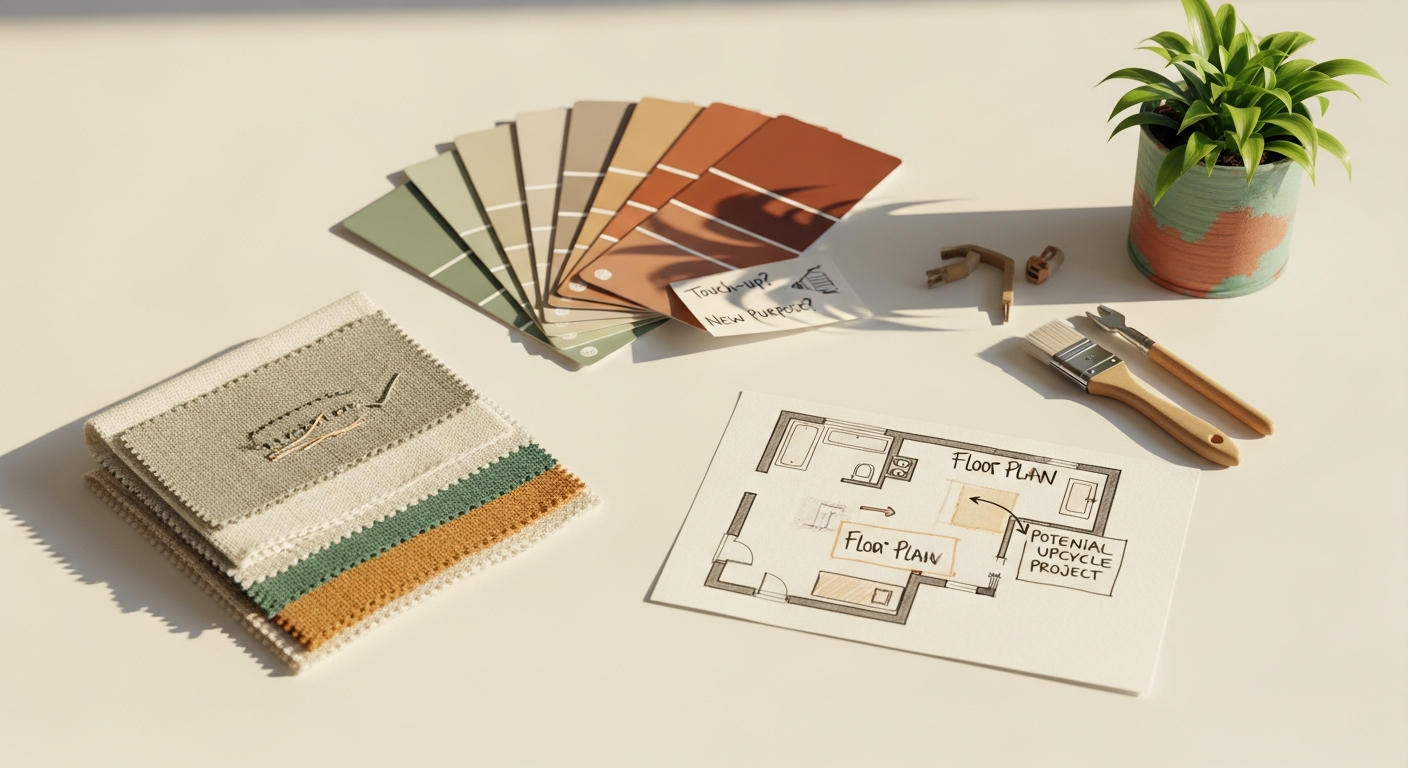
- Upcycling and Repurposing: Before buying new, consider what you already have. Can an old dresser be repainted and given new hardware to serve a new purpose? Can vintage furniture be reupholstered? Upcycling reduces waste and often results in unique, character-filled pieces that tell a story. Similarly, sourcing second-hand items from antique shops, thrift stores, or online marketplaces gives items a second life and reduces demand for new production.
By integrating these sustainable practices, your home enhancement project becomes an act of stewardship, creating a beautiful and comfortable environment that aligns with your values and contributes positively to the planet for generations to come. It’s about building a legacy of conscious design.