The Visionary Blueprint: Charting Your Renovation Journey
Before the first hammer swings or the initial design sketch takes form, the most crucial step in any successful home renovation is establishing a clear, compelling vision. This isn’t just about aesthetics; it’s about understanding how your space will serve you, inspire you, and evolve with you. Are you ready to enhance your home in ways that truly resonate with your lifestyle?
Defining Your ‘Why’ and ‘What’
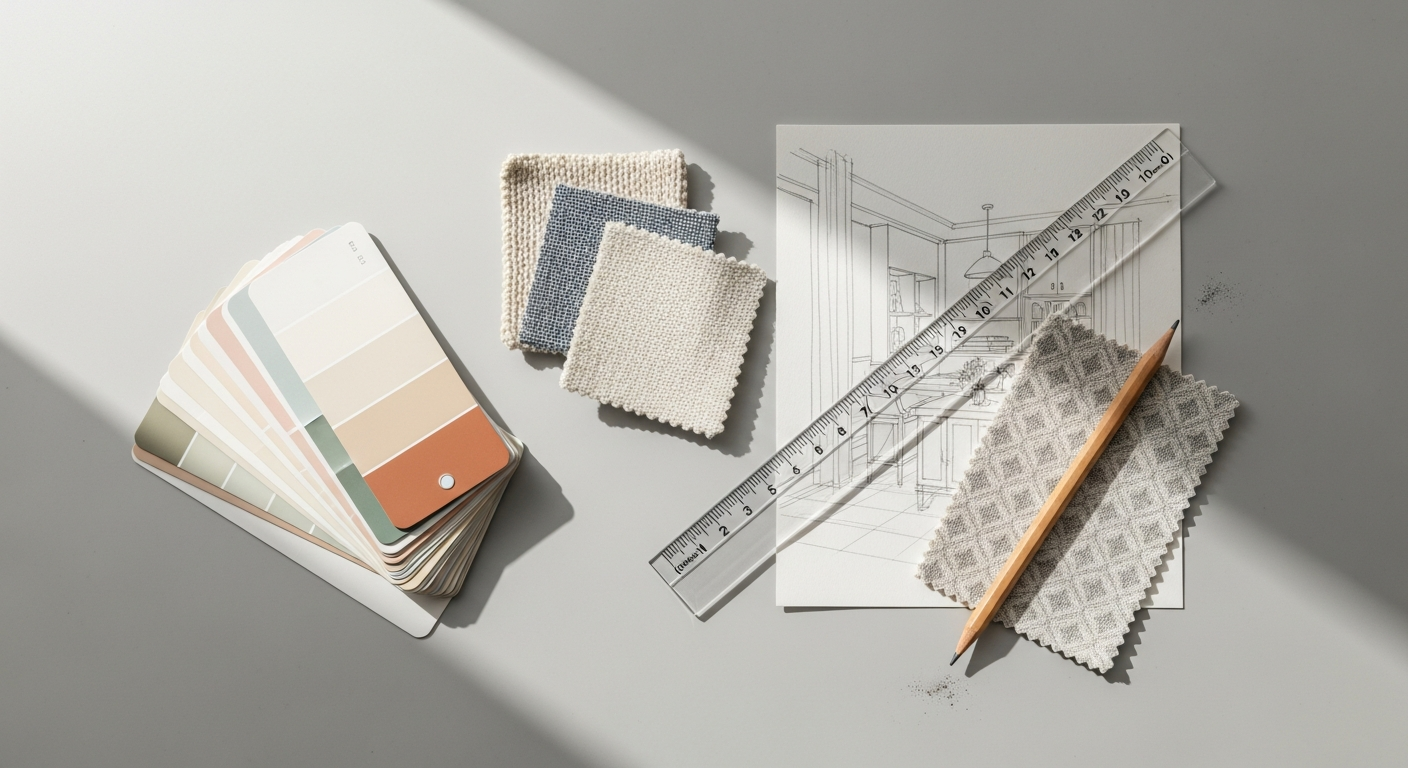
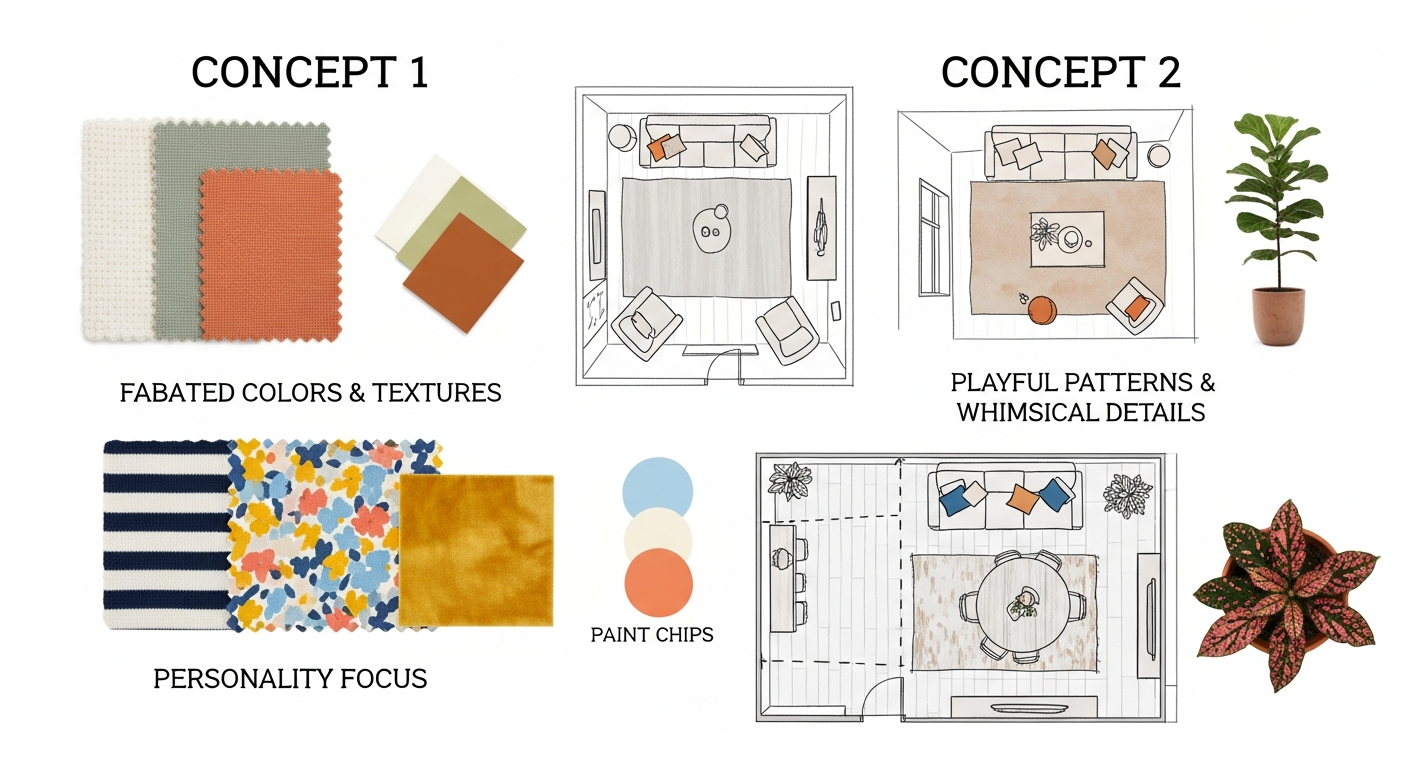
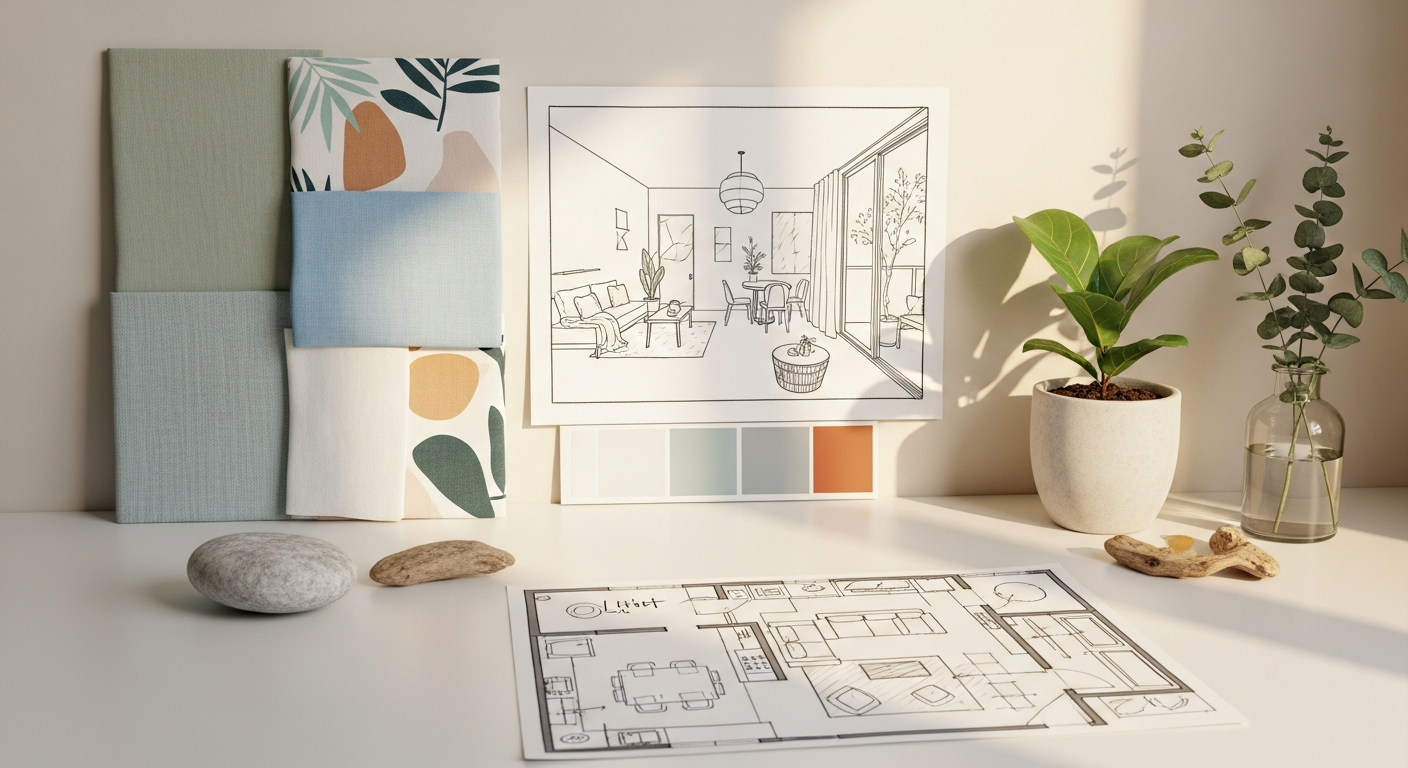
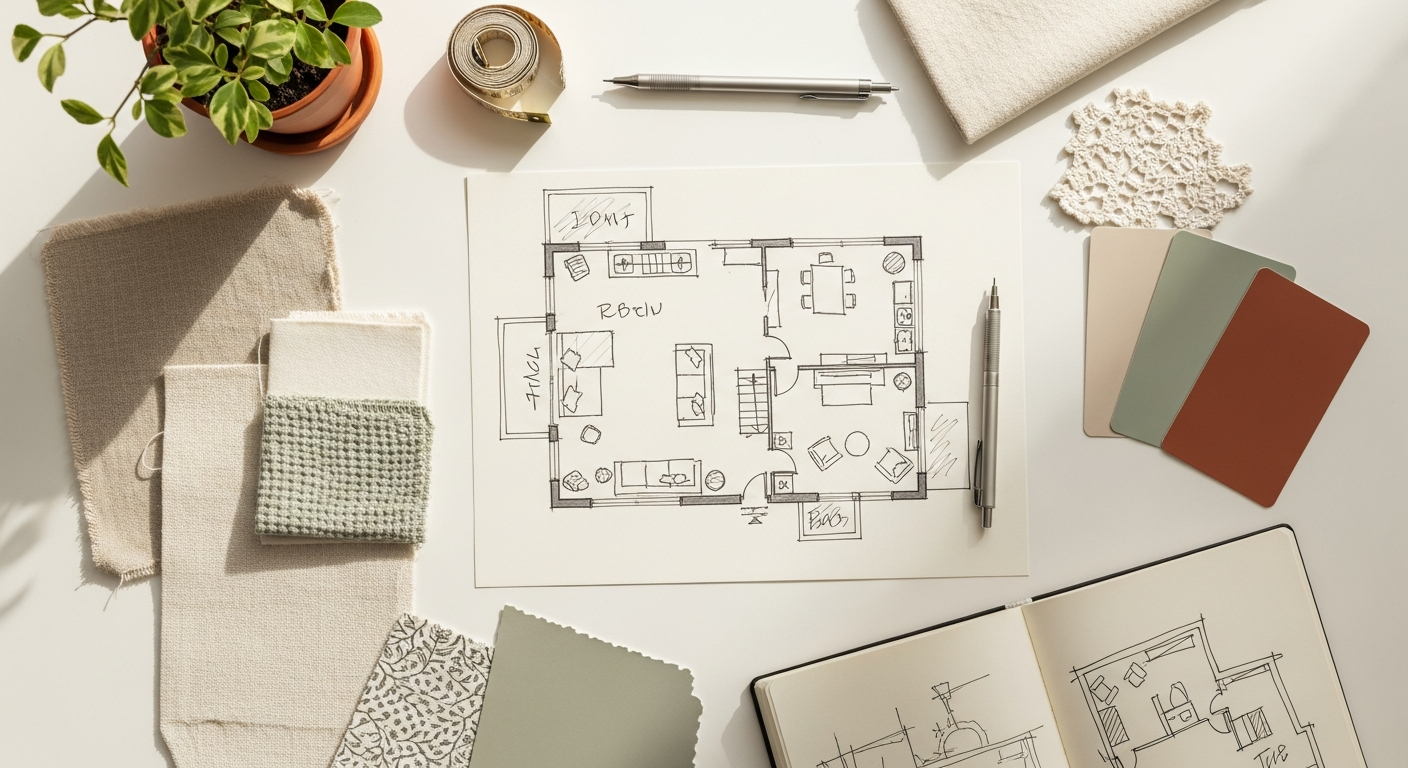
Start by asking yourself profound questions about your current home and your aspirations. What aspects no longer serve you? What emotions do you want your renovated space to evoke? Do you crave more natural light, better flow, or dedicated areas for hobbies and work? Pinpointing these core needs and desires will be your guiding star. Create a mood board, either physical or digital, filled with images, textures, and color palettes that speak to you. This visual roadmap will be invaluable for communicating your ideas to designers and contractors.
- Functionality First: Consider how each room will be used. A kitchen isn’t just for cooking; it’s a social hub. A bedroom isn’t just for sleeping; it’s a sanctuary.
- Lifestyle Integration: Does your home support your hobbies, work-from-home needs, or entertaining style?
- Future-Proofing: Think about your long-term plans. Will this renovation accommodate a growing family, aging in place, or potential resale value?
Setting Realistic Budgets and Timelines
Once your vision starts to crystallize, it’s time to ground it in practical realities: budget and timeline. Many renovation pitfalls stem from underestimating costs or overestimating project duration. Be honest about your financial limits and allocate a contingency fund – typically 10-20% of your total budget – for unforeseen issues that inevitably arise. Research average costs for similar projects in your area, and don’t shy away from getting multiple quotes.
For timelines, remember that good design and craftsmanship take time. Factor in design phases, permitting processes, material procurement (which can be lengthy, especially for custom items), and the actual construction. A detailed schedule helps manage expectations and keeps the project moving forward efficiently.
Understanding Permits and Regulations
This is one of the things you should never neglect in your home renovation planning. Depending on the scope of your project, you’ll likely need permits from your local municipality. Ignoring this crucial step can lead to hefty fines, project delays, and even the forced removal of completed work. Research local building codes and zoning laws early in the process. Your architect or contractor will often handle the permit application process, but it’s ultimately your responsibility as the homeowner to ensure compliance.
Strategic Design: Elevating Aesthetics & Maximizing Functionality
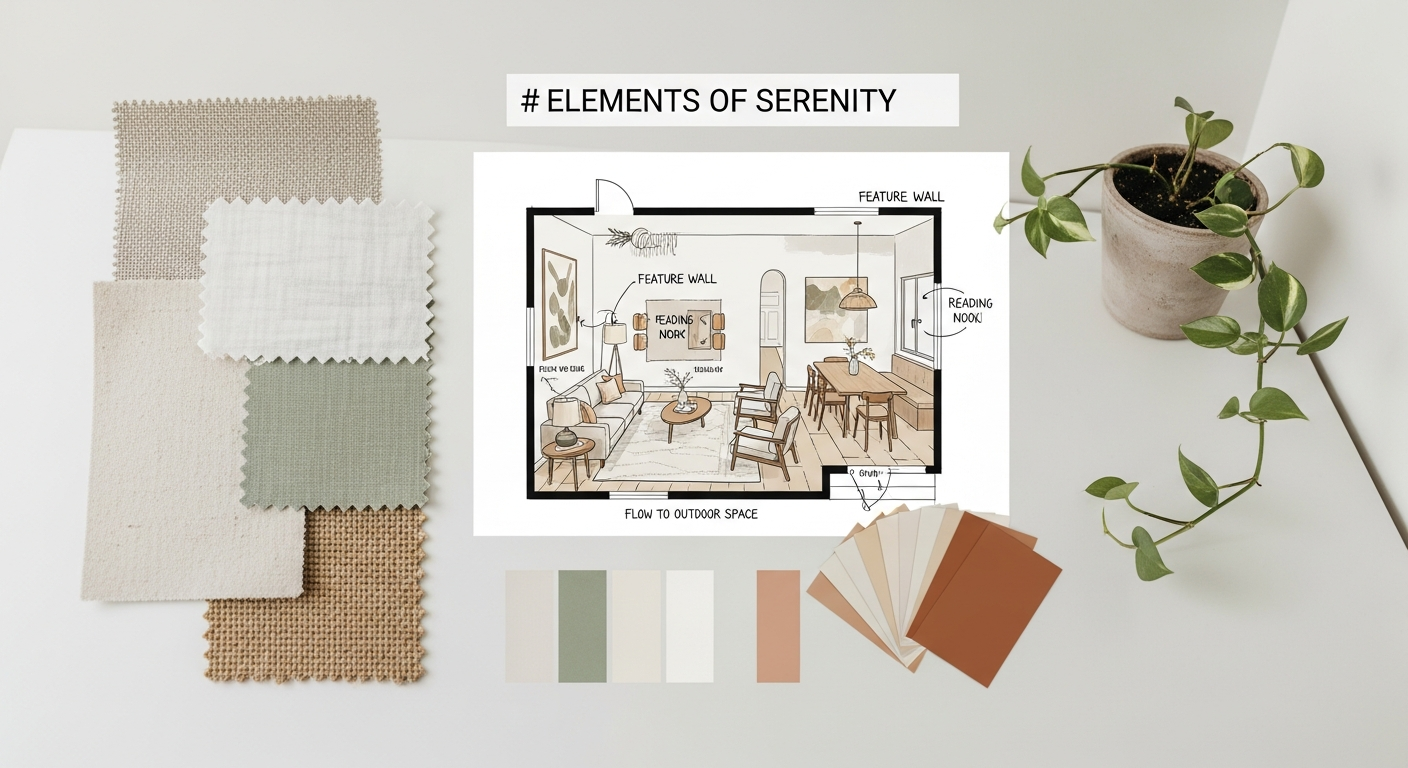
With your blueprint in hand, the real magic of design begins. This phase is where creative vision meets practical application, transforming spaces into expressions of beauty and efficiency. It’s about making smart choices that enhance both the visual appeal and the liveability of your home.
Embracing Current & Enduring Trends for 2026
While chasing every fleeting trend can lead to a dated look, incorporating forward-thinking and enduring design elements ensures your home feels current yet timeless. For 2026, we’re seeing a strong emphasis on:
- Biophilic Design: Integrating nature through plants, natural materials (wood, stone), and ample natural light. This fosters a sense of calm and well-being.
- Warm Minimalism: Moving beyond stark white, this trend embraces softer, earthy tones, rich textures, and curated pieces for a cozy yet uncluttered aesthetic.
- Smart Home Integration: Seamlessly blending technology into design, from smart lighting and climate control to integrated sound systems, enhancing convenience and efficiency.
- Curated Vintage: Mixing new pieces with unique vintage finds adds character, sustainability, and a personalized touch that mass-produced items can’t replicate.
Optimizing Space and Flow
A well-designed space feels effortless. Consider how people move through your home. Are there bottlenecks? Can certain walls be removed or reconfigured to create an open-concept living area, or to define zones more effectively? Even in smaller spaces, clever solutions can make a huge difference.
- Multifunctional Furniture: Ottomans with storage, sofa beds, or extendable dining tables.
- Built-in Solutions: Custom shelving, banquettes, or integrated desks can maximize every inch.
- Strategic Lighting: Layered lighting (ambient, task, accent) can define areas, enhance mood, and make rooms feel larger and more inviting.
Material Selection: Beyond Aesthetics
The materials you choose define the look and feel of your home, but their performance and sustainability are equally important. Think about durability, maintenance, and environmental impact. For example, opting for recycled content tiles, low-VOC paints, or sustainably sourced timber not only looks good but also contributes to a healthier indoor environment.
When selecting finishes, consider the interplay of textures – smooth against rough, matte against glossy – to add depth and interest. Don’t forget the tactile experience; how does a countertop feel to the touch? How soft is the rug underfoot?
Enhancing Specific Zones: A Bathroom Case Study
Let’s take a look at a specific area often ripe for renovation: the bathroom. A well-designed bathroom is a sanctuary, not just a utilitarian space. Here are 3 ways to improve the functionality of your bathroom:
- Smart Storage Solutions: Move beyond basic vanities. Consider recessed medicine cabinets, built-in shower niches, floating shelves, and even vertical storage towers. Keeping clutter at bay is key to a serene bathroom.
- Optimized Layout and Fixtures: Re-evaluate the placement of your toilet, shower, and vanity. Could a walk-in shower replace a bulky tub to create more space? Are your fixtures positioned for ease of use? Wall-mounted toilets and vanities can free up floor space, making the room feel larger and easier to clean.
- Thoughtful Lighting and Ventilation: Good lighting is crucial for both practical tasks (shaving, makeup) and creating a relaxing ambiance. Combine bright task lighting around the mirror with softer ambient lighting. Excellent ventilation is another of those things you should never neglect in your home, especially in high-moisture areas. A powerful exhaust fan prevents mold and mildew, protecting your investment and your health.
Financial Foundations: Mastering Your Renovation Budget
Developing a Detailed Budget Plan
Move beyond a simple sum and create a granular breakdown of all anticipated expenses. Categorize everything from design fees and permits to demolition, structural work, plumbing, electrical, finishes, fixtures, and even post-construction cleaning. Research average costs for each category in your region. Online tools and renovation cost calculators can provide initial estimates, but always seek multiple quotes from professionals.
- Itemize Everything: From major appliances to faucet handles, list every single item.
- Prioritize Spending: Decide where you’re willing to splurge (e.g., a statement countertop) and where you can save (e.g., standard tile in less visible areas).
- Contingency Fund: Always, always include 10-20% of your total budget for unexpected issues. This is your financial safety net.
Understanding Renovation ROI
While your primary goal is to create a home you love, it’s wise to consider the return on investment (ROI), especially if you plan to sell in the future. Some renovations offer better returns than others. Kitchen and bathroom remodels, adding a deck, or enhancing curb appeal often provide significant ROI. Major structural changes, while sometimes necessary, might not always recoup their full cost upon resale. Balance personal enjoyment with potential market value.
DIY vs. Professional: Where to Save, Where to Splurge
Deciding which tasks to tackle yourself and which to delegate to professionals is a critical budget consideration. DIY can save money on labor, but it requires significant time, skill, and access to the right tools. Projects involving plumbing, electrical, structural changes, or intricate tiling are best left to licensed professionals for safety, quality, and compliance with building codes.
Consider DIY for tasks like painting, demolition (non-load-bearing), basic landscaping, or installing simple fixtures. Be realistic about your capabilities and time commitment. A botched DIY job can end up costing more to fix than hiring a professional in the first place.
Value Engineering: Maximizing Impact, Minimizing Cost
Value engineering is the process of finding cost-effective alternatives without compromising quality or design intent. This doesn’t mean cutting corners, but rather making smart substitutions. For instance, instead of custom cabinetry throughout, perhaps combine custom pieces for high-impact areas with semi-custom options for others. Or, explore alternative materials that mimic the look of more expensive ones – a high-quality laminate can sometimes achieve the aesthetic of hardwood at a fraction of the price. Work with your designer or contractor to explore these options.
The Professional Partnership: Selecting & Collaborating with Experts
Your renovation dream hinges significantly on the team you assemble. The right professionals bring expertise, efficiency, and peace of mind, transforming a complex undertaking into a streamlined process. Selecting and collaborating effectively with architects, designers, and contractors is paramount.
Finding the Right Team for Your Vision
Don’t rush the hiring process. Seek recommendations from friends, family, and trusted sources. Look for professionals whose portfolios align with your aesthetic and project scope. Interview multiple candidates for each role, asking specific questions about their experience, communication style, and approach to problem-solving. A good fit extends beyond skill; it’s also about personality and trust.
- Architect/Designer: Essential for complex structural changes, space planning, and aesthetic guidance. They translate your vision into technical drawings.
- General Contractor: The project manager who oversees all trades, manages the schedule, and ensures quality control.
- Specialty Trades: Plumbers, electricians, carpenters, tilers – often subcontracted by the GC, but sometimes hired directly for smaller projects.
Checking Credentials and References
This is another one of those things you should never neglect in your home renovation journey. Always verify licenses, insurance (liability and workers’ compensation), and check references thoroughly. Speak to past clients about their experience, focusing on communication, adherence to budget and timeline, and problem resolution. Visit completed projects if possible to assess craftsmanship firsthand.
Clear Communication and Contracts
Open and honest communication is the bedrock of a successful renovation. Establish clear lines of communication from the outset. Discuss how often you expect updates, preferred communication methods (email, phone, in-person meetings), and who your primary point of contact will be. A detailed contract is your protection. It should clearly outline:
- Scope of work with specific deliverables
- Payment schedule and terms
- Materials and allowances
- Project timeline with milestones
- Change order procedures
- Warranty information
- Dispute resolution mechanisms
Never rely on verbal agreements; get everything in writing. Review the contract carefully and don’t hesitate to ask for clarification on any unclear clauses.
Bringing it to Life: Project Management & Execution Excellence
With a solid plan and a stellar team in place, the construction phase commences. This is where your vision truly starts to materialize. Effective project management and a keen eye for execution excellence ensure the process unfolds smoothly and results in the high-quality finish you expect.
Navigating the Construction Phase
While your contractor manages the day-to-day, staying informed and engaged is crucial. Regular site visits (at agreed-upon times) allow you to see progress, ask questions, and address minor issues before they escalate. Maintain a project log, documenting conversations, decisions, and any changes. This becomes a valuable reference point throughout the renovation.
Be prepared for disruption. Living through a renovation, especially a major one, can be challenging. Set up temporary living arrangements if necessary, or create “no-go zones” in your home to minimize inconvenience. Patience and flexibility are your best allies during this period.
Managing Change Orders
Even with the most meticulous planning, changes often arise during a renovation. You might discover unforeseen structural issues, or simply change your mind about a design detail. A “change order” is a formal agreement to modify the original contract. It should detail the revised scope of work, any impact on cost, and the updated timeline. Always get change orders in writing and ensure both parties sign off before proceeding with the new work.
Quality Control and Inspections
Throughout the renovation, your contractor is responsible for quality control. However, it’s wise to conduct your own checks, especially during critical junctures. For example, inspect plumbing rough-ins before walls are closed, and electrical wiring before drywall goes up. Your municipal building inspector will also conduct mandatory inspections at various stages, ensuring compliance with codes. Make sure these inspections happen and are approved before subsequent work proceeds. This is another fundamental aspect of things you should never neglect in your home renovation.
The Walk-Through and Punch List
As the project nears completion, you’ll conduct a final walk-through with your contractor. This is your opportunity to identify any deficiencies, incomplete items, or areas that don’t meet the agreed-upon standards. Create a “punch list” – a detailed inventory of items that need correction or finishing. Discuss a reasonable timeframe for these items to be addressed. Hold back a portion of the final payment until all punch list items have been satisfactorily completed.
Sustainable Living & Future-Proofing: Crafting a Home for Tomorrow
As we look towards 2026 and beyond, thoughtful homeowners are increasingly considering the long-term impact and adaptability of their renovations. Building a home for tomorrow means embracing sustainability, energy efficiency, and designs that can evolve with changing needs and technologies.
Embracing Eco-Friendly Materials and Practices
A truly inspiring renovation considers its ecological footprint. Incorporating sustainable materials not only benefits the planet but often contributes to a healthier indoor environment. Look for:
- Recycled Content: Tiles made from recycled glass, countertops from recycled materials.
- Sustainably Sourced Wood: Lumber certified by organizations like the Forest Stewardship Council (FSC).
- Low-VOC Paints and Finishes: Reduce harmful chemical emissions, improving indoor air quality.
- Local Materials: Reduces transportation costs and supports local economies.
- Efficient Insulation: Upgrading insulation in walls, attics, and floors significantly reduces energy consumption.
Consider practices like diverting construction waste from landfills through recycling or donation, and choosing contractors who prioritize sustainable building methods.
Maximizing Energy Efficiency
Energy-efficient renovations lead to lower utility bills and a more comfortable home. This is one of the most important things you should never neglect in your home design.
- High-Performance Windows and Doors: Replace old, leaky windows with double or triple-pane, low-emissivity (Low-E) glass.
- Energy-Efficient Appliances: Look for ENERGY STAR certified appliances.
- HVAC System Upgrades: Install high-efficiency furnaces, air conditioners, or heat pumps. Consider smart thermostats for optimized climate control.
- LED Lighting: Replace traditional incandescent bulbs with long-lasting, energy-saving LED fixtures.
- Solar Panels: Explore the feasibility of integrating solar energy to offset electricity consumption.
Designing for Adaptability and Accessibility
Future-proofing your home means designing with flexibility in mind. Consider how your space might need to adapt over time. This is particularly relevant for families with young children, those planning to age in place, or even just anticipating technological advancements.
- Universal Design Principles: Incorporate elements like wider doorways, curbless showers, lever-style door handles, and easily adjustable counter heights. These features benefit everyone, regardless of age or mobility.
- Flexible Layouts: Can a room serve multiple purposes? Could a wall be easily added or removed in the future?
- Smart Home Infrastructure: Install conduit for future wiring, ensure robust Wi-Fi coverage, and consider integrated smart home systems that can be easily updated or expanded. This ensures your home is ready for the next wave of innovation.
The Art of the Finish & Beyond: Styling, Smart Tech, and Ongoing Care
The construction dust has settled, the paint has dried, and your structural dreams have taken shape. Now comes the truly exciting part for any interior design enthusiast: bringing your personality to life through styling and ensuring your masterpiece endures. This final stage transforms a house into a home, reflecting your unique aesthetic and embracing modern living.
Curating Your Interior: The Power of Styling
This is where your vision for are you ready to enhance your home truly shines. Styling isn’t just about filling a space; it’s about layering, texture, color, and storytelling. Think of your renovated rooms as a blank canvas awaiting its narrative.
- Furniture Placement: Define zones and encourage flow. Consider scale and proportion – don’t overcrowd a small room, but ensure larger spaces feel grounded.
- Textile Play: Introduce softness and warmth with rugs, curtains, throw pillows, and blankets. Mix and match textures (velvet, linen, knit) for depth.
- Art & Decor: Select pieces that resonate with you. Gallery walls, statement sculptures, and carefully chosen decor items add character and focal points. Remember, less is often more for a sophisticated look.
- Greenery: Embrace biophilic design by incorporating plants. They add life, purify air, and bring a touch of nature indoors.
- Personal Touches: Display cherished photographs, travel souvenirs, or handcrafted items that tell your story.
Seamless Smart Home Integration for 2026
Modern living is intrinsically linked with technology, and integrating smart home solutions can elevate both convenience and energy efficiency. For 2026, the focus is on seamless, intuitive systems that enhance daily life without being intrusive.
- Automated Lighting: Control brightness and color temperature, set schedules, and create mood-specific scenes.
- Climate Control: Smart thermostats learn your preferences, optimize energy use, and can be managed remotely.
- Security Systems: Integrated cameras, smart locks, and sensors provide peace of mind and remote monitoring.
- Entertainment Hubs: Centralized audio-visual systems, hidden speakers, and smart TVs create immersive experiences.
- Appliance Connectivity: Smart ovens, refrigerators, and washing machines can be controlled via your phone, adding a layer of convenience to your routine.
Plan for these integrations early in your renovation to ensure proper wiring and infrastructure are in place, making the technology truly disappear into the design.
Outdoor Spaces: Extending Your Living Area
Don’t let your renovation stop at the back door! Integrating outdoor spaces into your overall design enhances functionality and extends your living area. A well-designed patio, deck, or garden can become an outdoor living room, dining area, or serene retreat. Consider:
- Landscaping: Thoughtful planting, pathways, and hardscaping can transform a yard.
- Outdoor Kitchens & Dining: Perfect for entertaining.
- Comfortable Seating: Durable, weather-resistant furniture.
- Lighting: String lights, path lights, and accent lighting create ambiance after dark.
- Privacy Screens: Hedges, pergolas, or fences.
This holistic approach ensures your entire property feels cohesive and well-designed, truly enhancing your home’s appeal.
Post-Renovation Care: Protecting Your Investment
Your renovation is a significant investment, and ongoing maintenance is key to preserving its beauty and functionality for years to come. This is perhaps one of the most critical things you should never neglect in your home after the contractors leave.
- Regular Cleaning: Establish a routine that protects new finishes and fixtures. Use appropriate cleaning products recommended by manufacturers.
- Maintenance Schedule: Adhere to manufacturer guidelines for appliances, HVAC systems, and other installations. This often includes periodic checks, filter replacements, and professional servicing.
- Addressing Issues Promptly: Don’t let minor leaks or cracks fester. Address small problems quickly to prevent them from becoming major, costly repairs.
- Warranty Awareness: Keep all warranties and product manuals in an organized file. Understand what’s covered and for how long.
By treating your renovated home with ongoing care, you ensure it remains a source of joy and inspiration for many years, truly reflecting the thoughtful effort you put into its creation.