Understanding Kitchen Remodel Costs: It’s More Than Just Cabinets
Embarking on a kitchen remodel is an exciting journey, but it requires a solid grasp of the financial landscape. The cost isn’t a static figure; it’s a spectrum influenced by a multitude of factors, ranging from the size of your kitchen to the quality of materials you select, and even your geographical location. Before diving into specifics, it’s crucial to understand that a kitchen renovation is an investment, not just an expense. A well-executed remodel can significantly enhance your lifestyle, improve your home’s functionality, and boost its market value, especially as we look towards property trends in 2026.
The overall cost can be broadly categorized into several key components. Firstly, there are the tangible elements: cabinetry, countertops, appliances, flooring, lighting, and fixtures. Each of these categories offers a vast array of choices, from budget-friendly options to luxurious, high-end selections, dramatically impacting the final price tag. Secondly, labor costs form a significant portion of the budget. This includes contractors, plumbers, electricians, installers, and potentially designers. The complexity of the project, such as moving walls or relocating plumbing lines, will directly influence labor hours and associated expenses.
Beyond these primary costs, there are often hidden or easily overlooked expenses that can surprise homeowners if not accounted for early on. These might include permits, demolition fees, unexpected structural repairs, or even the cost of eating out while your kitchen is out of commission. A comprehensive understanding of these facets is paramount to setting a realistic budget and avoiding financial pitfalls. It’s about empowering you to make informed decisions that align with both your aesthetic desires and your financial comfort zone. Just as you consider things you should never neglect in your home when it comes to maintenance, a thorough cost analysis is a non-negotiable step in your kitchen remodeling journey.
The Tiers of Transformation: Budgeting for Different Kitchen Styles
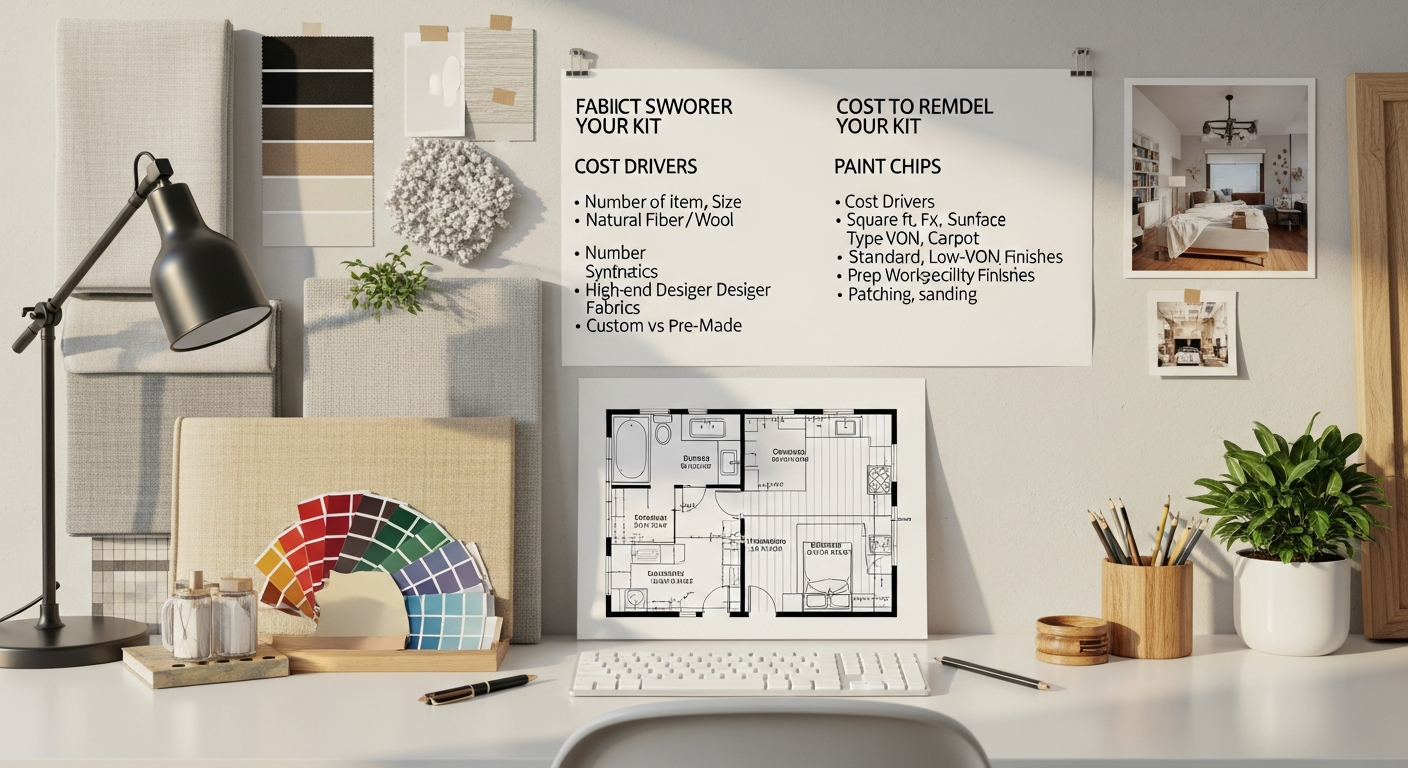
Kitchen remodels typically fall into three broad categories: basic, mid-range, and high-end, each with its own cost implications and level of transformation. Understanding these tiers will help you align your vision with a realistic budget.
Basic Kitchen Remodel (Typically $15,000 – $40,000 in 2026)
A basic remodel focuses on cosmetic updates and minor functional improvements without altering the kitchen’s existing layout. This tier is perfect for homeowners looking to refresh their space on a tighter budget or for those preparing a home for sale. It generally includes:
- Refinishing or repainting existing cabinets: Opting for new cabinet doors rather than full replacements can save substantial costs.
- Laminate or basic solid surface countertops: These offer durability and a fresh look without the premium price tag of natural stone.
- Budget-friendly appliances: Replacing old appliances with new, energy-efficient models from entry-level brands.
- Vinyl or basic tile flooring: Practical and cost-effective solutions for a new floor.
- Paint and new light fixtures: A fresh coat of paint and modern lighting can significantly brighten and update the space.
- Minor plumbing and electrical updates: Limited to replacing existing fixtures without moving lines.
The emphasis here is on maximizing visual impact and functionality within the existing framework. It’s about smart, strategic changes that offer a noticeable upgrade without extensive structural work.
Mid-Range Kitchen Remodel (Typically $40,000 – $80,000 in 2026)
The mid-range remodel is where most homeowners find themselves. This tier allows for more significant changes, including some layout modifications, higher quality materials, and a broader range of design choices. This is where you start to see a true transformation, blending aesthetics with enhanced functionality.
- New semi-custom cabinets: Offering more design flexibility, better materials, and improved storage solutions than basic options.
- Granite, quartz, or other mid-tier natural stone countertops: Durable, beautiful, and a significant upgrade in perceived value.
- Mid-range stainless steel appliances: More features, better performance, and a sleek aesthetic from popular brands.
- Hardwood, engineered wood, or higher-quality tile flooring: Elevating the look and feel of the space with more durable and attractive materials.
- Updated lighting design: Incorporating task lighting, under-cabinet lighting, and decorative fixtures.
- Moderate plumbing and electrical work: Potentially relocating a sink or adding new outlets to improve workflow.
- Designer consultation: Often includes working with an interior designer to optimize layout and material selection.
This level of remodel provides a fantastic balance between cost and quality, allowing for personalized touches and a significant improvement in the kitchen’s overall appeal and efficiency. It’s a great option if you’re asking yourself, “Are you ready to enhance your home?” with a substantial yet sensible investment.
High-End/Luxury Kitchen Remodel (Typically $80,000 – $150,000+ in 2026)
A high-end remodel is a complete overhaul, often involving structural changes, custom designs, premium materials, and top-of-the-line appliances. This tier is for those who desire a truly bespoke kitchen tailored to their exact specifications and lifestyle, incorporating the latest trends and smart home technology.
- Custom cabinetry: Designed and built specifically for your space, offering unique features, exotic wood species, and specialized finishes.
- Premium natural stone or exotic material countertops: Marble, high-grade quartz, concrete, or even unique composite materials.
- Professional-grade or integrated smart appliances: High-performance ranges, built-in refrigerators, wine coolers, and smart ovens that connect to your home system.
- High-end flooring: Custom hardwood patterns, luxury large-format tiles, or specialized materials like polished concrete.
- Extensive plumbing and electrical relocation: Moving walls, creating open-concept spaces, adding dedicated circuits, and installing elaborate lighting systems.
- Architectural and interior design fees: Engaging top-tier professionals to manage the project from concept to completion, ensuring every detail is perfect.
- Luxury fixtures and finishes: High-end faucets, custom backsplashes, designer hardware, and integrated smart home technology.
At this level, the kitchen becomes a masterpiece of design and engineering, offering unparalleled functionality and aesthetic appeal. It’s an investment in a lifestyle, creating a space that is both a culinary haven and an impressive focal point of the home.
Key Cost Drivers: What Really Shapes Your Budget?
Cabinetry: The Foundation of Your Kitchen’s Look and Function
Cabinets are often the largest expense in a kitchen remodel, typically accounting for 30-40% of the total budget. Their cost varies significantly based on type, material, and finish:
- Stock Cabinets: Pre-built, standard sizes, limited customization. (Lowest cost)
- Semi-Custom Cabinets: Offer more size options, finishes, and accessories than stock. (Mid-range cost)
- Custom Cabinets: Built to your exact specifications, offering unlimited design flexibility, unique materials, and specialized storage solutions. (Highest cost)
Materials range from laminate and thermofoil (budget-friendly) to MDF, plywood, solid wood (oak, maple, cherry), and exotic veneers (high-end). Hardware, such as soft-close hinges and drawer glides, also impacts the final price. Upgrading to innovative storage solutions like pull-out pantries or corner carousels adds functionality but also cost.
Countertops: The Workhorse and the Jewel
Countertops are both a functional surface and a key aesthetic element, typically making up 10-20% of the budget. Material choice is the primary cost driver:
- Laminate: Most affordable, wide range of colors and patterns.
- Solid Surface (e.g., Corian): Mid-range, seamless appearance, repairable.
- Granite/Quartz: Popular mid-to-high range, durable, beautiful, requires professional installation. Quartz offers more consistency in pattern and is non-porous.
- Marble: High-end, luxurious, but porous and requires more maintenance.
- Butcher Block: Mid-range, warm, natural look, requires regular oiling.
- Concrete/Stainless Steel/Glass: Specialty, high-end options, often custom-made.
Installation complexity, edge profiles, and cutouts for sinks and cooktops also influence pricing.
Appliances: Blending Technology and Utility
Appliances can account for 10-20% of your budget. The range here is vast, from basic models to professional-grade or smart home integrated units:
- Standard Appliances: Basic functionality, good for everyday use.
- Mid-Range Appliances: Stainless steel finishes, more features, better energy efficiency.
- High-End/Professional-Grade Appliances: Superior performance, advanced features, integrated smart technology, often panel-ready to blend with cabinetry.
Consider the full suite: refrigerator, range/cooktop, oven, microwave, dishwasher, and smaller items like wine fridges or built-in coffee makers. Energy efficiency ratings (like Energy Star) can save money long-term but often come with a higher initial cost.
Flooring: The Foundation Underfoot
Flooring typically represents 5-10% of the budget. Durability, water resistance, and aesthetics are key considerations for a kitchen:
- Vinyl/Laminate: Economical, good water resistance, wide variety of styles.
- Ceramic/Porcelain Tile: Durable, water-resistant, vast design options, mid-range cost.
- Hardwood/Engineered Wood: Classic look, warm feel, but susceptible to water damage and scratches; typically mid-to-high range.
- Natural Stone Tile: Luxurious, durable, but can be expensive and requires sealing.
Installation costs for flooring can vary significantly based on the subfloor preparation required and the complexity of the pattern.
Plumbing & Electrical: The Unseen Essentials
These critical elements can account for 5-15% of the budget. Their cost is heavily dependent on whether you’re simply replacing fixtures or significantly altering the layout:
- Minor Updates: Replacing a faucet, adding a garbage disposal, upgrading light fixtures. (Lower cost)
- Moderate Relocation: Moving a sink a few feet, adding dedicated circuits for new appliances. (Mid-range cost)
- Major Relocation/New Lines: Moving the sink or range to a different wall, adding a kitchen island with a sink, or upgrading the entire electrical panel to support modern appliances. This involves significant labor and can lead to unexpected expenses if walls need to be opened up and existing systems are found to be outdated.
Ensuring your plumbing and electrical systems are up to code is paramount, not just for functionality but also for safety. These are truly things you should never neglect in your home, as issues here can lead to costly repairs down the line. A proactive approach during a remodel can save headaches.
Labor & Design Fees: The Expertise Behind the Transformation
Labor is a significant portion, often 20-30% of the total budget, encompassing contractors, plumbers, electricians, cabinet installers, and painters. Design fees, if you hire an interior designer or architect, can add another 10-15%.
- General Contractor: Manages the entire project, coordinates trades, ensures timelines are met.
- Specialized Trades: Plumbers, electricians, and other specialists charge hourly or per project.
- Interior Designer: Helps with layout, material selection, color schemes, and project management. Their expertise can save you money by preventing costly mistakes and ensuring a cohesive, functional design, similar to how a well-planned approach can lead to 3 ways to improve the functionality of your bathroom.
While DIY can seem appealing, complex kitchen remodels often benefit immensely from professional expertise, especially when structural or utility changes are involved.
Permits: The Legal Green Light
Permit costs are often overlooked but crucial. Depending on your locality and the scope of work (especially if it involves structural, plumbing, or electrical changes), you’ll need permits. These typically range from a few hundred to over a thousand dollars. Ignoring permits can lead to fines, stop-work orders, and difficulties when selling your home.
Navigating the Unexpected: Hidden Costs and Contingency Planning
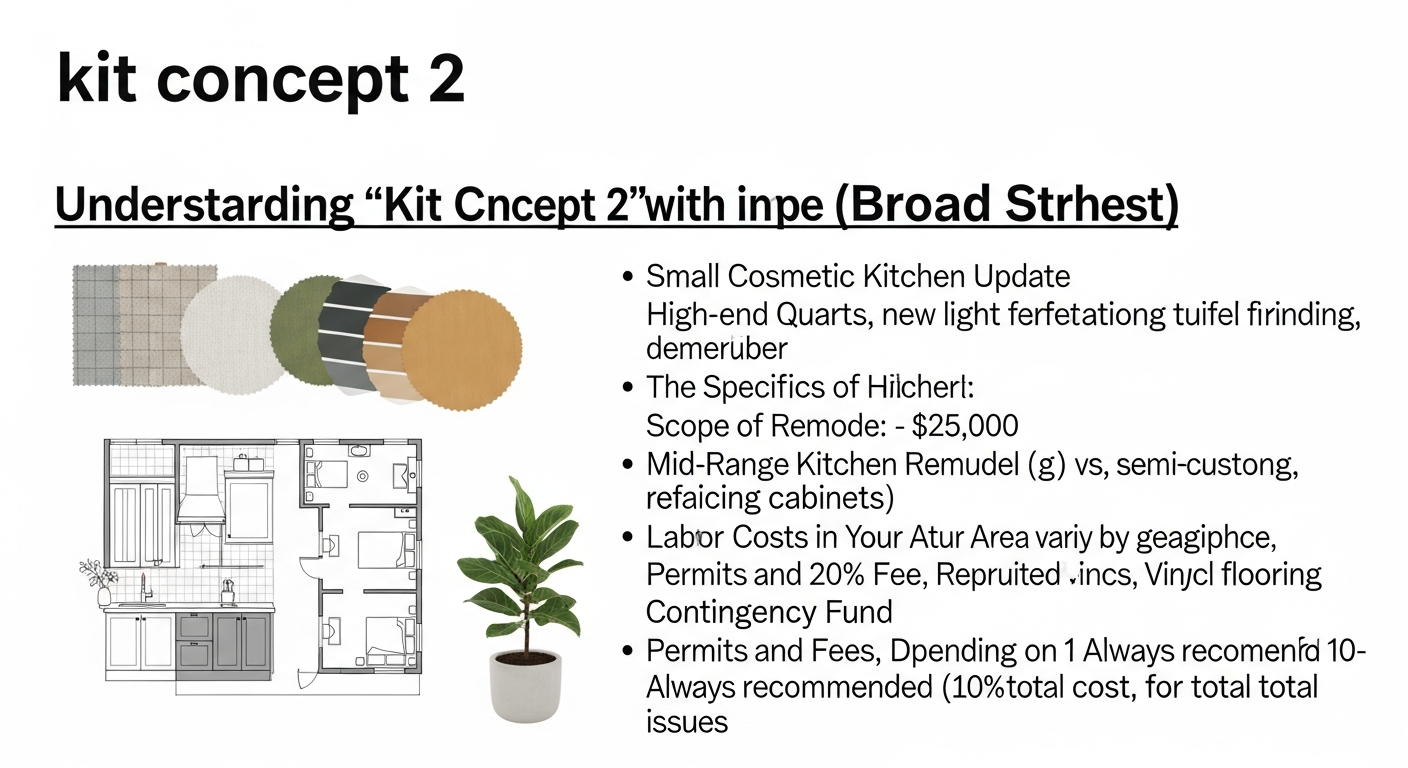
Even the most meticulously planned kitchen remodels can encounter unforeseen challenges. These “hidden costs” can quickly inflate your budget if not anticipated. A common recommendation is to allocate a contingency fund of 10-20% of your total budget specifically for these surprises.
- Demolition Surprises: Once walls are opened or old cabinets removed, you might uncover issues like mold, pest damage, outdated wiring, or plumbing leaks that require immediate attention and unplanned repairs.
- Structural Issues: Removing a wall might reveal that it’s load-bearing, requiring expensive structural engineering and support beams.
- Code Upgrades: Older homes often have electrical or plumbing systems that don’t meet current building codes. When you start a remodel, you might be required to bring these elements up to code, even if they weren’t part of your initial plan.
- Material Delays or Price Hikes: Supply chain issues can cause delays, leading to increased labor costs for extended project timelines, or material prices might unexpectedly rise.
- Temporary Kitchen Setup: While your kitchen is under construction, you’ll need an alternative for cooking and dining. This could mean dining out more frequently or setting up a temporary kitchen elsewhere in your home, incurring additional food costs.
- Disposal Fees: Hauling away old cabinets, countertops, and demolition debris isn’t free. Factor in dumpster rental or disposal service charges.
- Change Orders: As the project progresses, you might change your mind about a material, color, or design element. These “change orders” can be costly, as they involve reordering materials and redoing labor.
Having a contingency fund acts as a financial buffer, providing peace of mind and preventing your dream kitchen from turning into a financial nightmare. It’s an essential part of responsible budgeting, ensuring that your renovation project remains on track, even when unexpected bumps in the road appear.
Maximizing Value & Design: Smart Choices for Your Kitchen
A successful kitchen remodel isn’t just about spending money; it’s about spending it wisely to achieve both aesthetic appeal and lasting value. Here are strategies to maximize both design impact and financial return.
Prioritize Functionality and Workflow
Before aesthetics, consider how you use your kitchen. The “work triangle” (sink, refrigerator, stove) is a classic concept, but modern kitchens often involve “work zones” for prep, cooking, cleaning, and pantry storage. A well-planned layout can dramatically improve daily efficiency and enjoyment. Think about how to optimize storage, countertop space, and traffic flow. This deliberate focus on functionality is crucial and often overlooked, similar to how strategically planned updates can unlock 3 ways to improve the functionality of your bathroom.
Strategic Material Selection
While luxury materials are appealing, smart choices can achieve a high-end look without the exorbitant price tag:
- Mix and Match: Combine premium materials on focal points (e.g., quartz on the island) with more budget-friendly options elsewhere (e.g., laminate on perimeter counters).
- Smart Cabinetry: Instead of full custom cabinets, consider semi-custom with custom doors or professional refacing of existing sturdy cabinet boxes.
- Versatile Finishes: Opt for timeless finishes and colors that won’t quickly go out of style, ensuring your kitchen remains fresh and appealing for longer, increasing its long-term value.
- Lighting is Key: Invest in a layered lighting scheme (ambient, task, accent). Good lighting can make even a modest kitchen feel more spacious and luxurious. Under-cabinet lighting, pendant lights over an island, and recessed ceiling lights are all great additions.
Invest in Energy Efficiency
Choosing Energy Star-rated appliances not only reduces your utility bills but also appeals to environmentally conscious buyers if you ever sell. Low-flow faucets can save water, and LED lighting drastically cuts electricity consumption.
DIY Where Appropriate (With Caution)
For minor tasks like painting walls, installing a backsplash, or replacing cabinet hardware, DIY can save labor costs. However, for anything involving plumbing, electrical, or structural changes, always hire qualified professionals. Incorrect DIY can lead to costly mistakes, safety hazards, and issues with permits or insurance.
Consider Resale Value
While your kitchen should reflect your style, consider broader appeal if you plan to sell within the next 5-10 years. Neutral palettes, classic materials, and functional layouts tend to have the best return on investment. Overly specific or trendy designs might not appeal to all potential buyers. A kitchen remodel is one of the top ways homeowners ask themselves, “Are you ready to enhance your home?” not just for personal enjoyment but also for market appeal.
Sustainable Choices for 2026 and Beyond
As we move towards 2026, sustainable design is becoming increasingly important. Consider reclaimed wood, recycled glass countertops, bamboo flooring, or low-VOC paints. These choices are not only good for the environment but can also be a unique selling point.
The ROI of a Dream Kitchen: Is It Worth It?
Beyond the immediate gratification of a beautiful new space, a kitchen remodel is one of the most impactful home improvements in terms of return on investment (ROI). While you rarely recoup 100% of the cost in resale value, the benefits extend far beyond monetary figures.
Financial Return
Lifestyle Enhancement
The true value of a kitchen remodel often lies in the intangible benefits. Imagine a kitchen that perfectly accommodates your family’s needs, whether it’s a spacious island for baking with children, a dedicated coffee bar for morning rituals, or a seamless open-concept design for entertaining guests. A well-designed kitchen improves daily living, reduces stress, and fosters a more enjoyable home environment. It can inspire you to cook more, entertain more, and simply spend more quality time in a space that truly reflects you.
Improved Functionality and Efficiency
An outdated kitchen often suffers from poor layout, insufficient storage, and inefficient appliances. A remodel allows you to correct these issues, creating a highly functional space with smart storage solutions, ergonomic design, and modern, energy-efficient appliances. This improved functionality isn’t just convenient; it can save you time and money on utility bills in the long run. Just as we emphasize practical upgrades like 3 ways to improve the functionality of your bathroom, the kitchen offers even more avenues for optimizing daily routines.
Aesthetic Appeal and Personal Enjoyment
Living in a beautiful, aesthetically pleasing space significantly contributes to overall well-being. A kitchen remodel allows you to infuse your personality and style into the heart of your home, creating a space you genuinely love to be in. The joy and pride you derive from a beautifully designed kitchen are invaluable, making the investment worthwhile regardless of the strict financial ROI.
Health and Safety Upgrades
Older kitchens can harbor hidden dangers, from outdated wiring and leaky plumbing to lead paint or asbestos. A remodel provides an opportunity to address these concerns, ensuring your kitchen is a safe and healthy environment for your family. Upgrading electrical systems, installing proper ventilation, and using non-toxic materials are crucial updates that fall under things you should never neglect in your home, securing both your family’s well-being and the structural integrity of your property.
Ultimately, the decision to remodel your kitchen is a personal one, balancing financial considerations with lifestyle aspirations. By understanding the costs, planning meticulously, and making smart design choices, you can create a dream kitchen that offers immense value, both in terms of financial return and the priceless enjoyment it brings to your everyday life for many years to come.
Frequently Asked Questions
Recommended Resources
Related reading: How To Write A Business Plan For A Startup (Eamped).
Related reading: Ai Tools For Small Business 2026 (Bookmark Sharer).