The Vision Board: Defining Your Photoshoot’s Purpose and Aesthetic
Before a single camera lens is uncapped or a prop is selected, the most crucial step in organizing a great company photoshoot is to define its core purpose and aesthetic. This isn’t merely about getting “nice” photos; it’s about crafting a visual story that aligns perfectly with your brand’s overarching narrative. Think of it as designing the blueprint for an inspiring interior space – you wouldn’t start arranging furniture without understanding the room’s function and the desired mood. Similarly, your photoshoot needs a clear objective.
Begin by asking yourself: What message do we want to convey? Are you launching a new product, showcasing your team culture, highlighting a recent success, or simply refreshing your online presence? Each objective demands a different approach. For instance, a product launch might focus on sleek, aspirational imagery, while a team culture shoot would prioritize authentic, candid moments that reflect camaraderie and collaboration. This initial clarity will be your compass throughout the entire process.
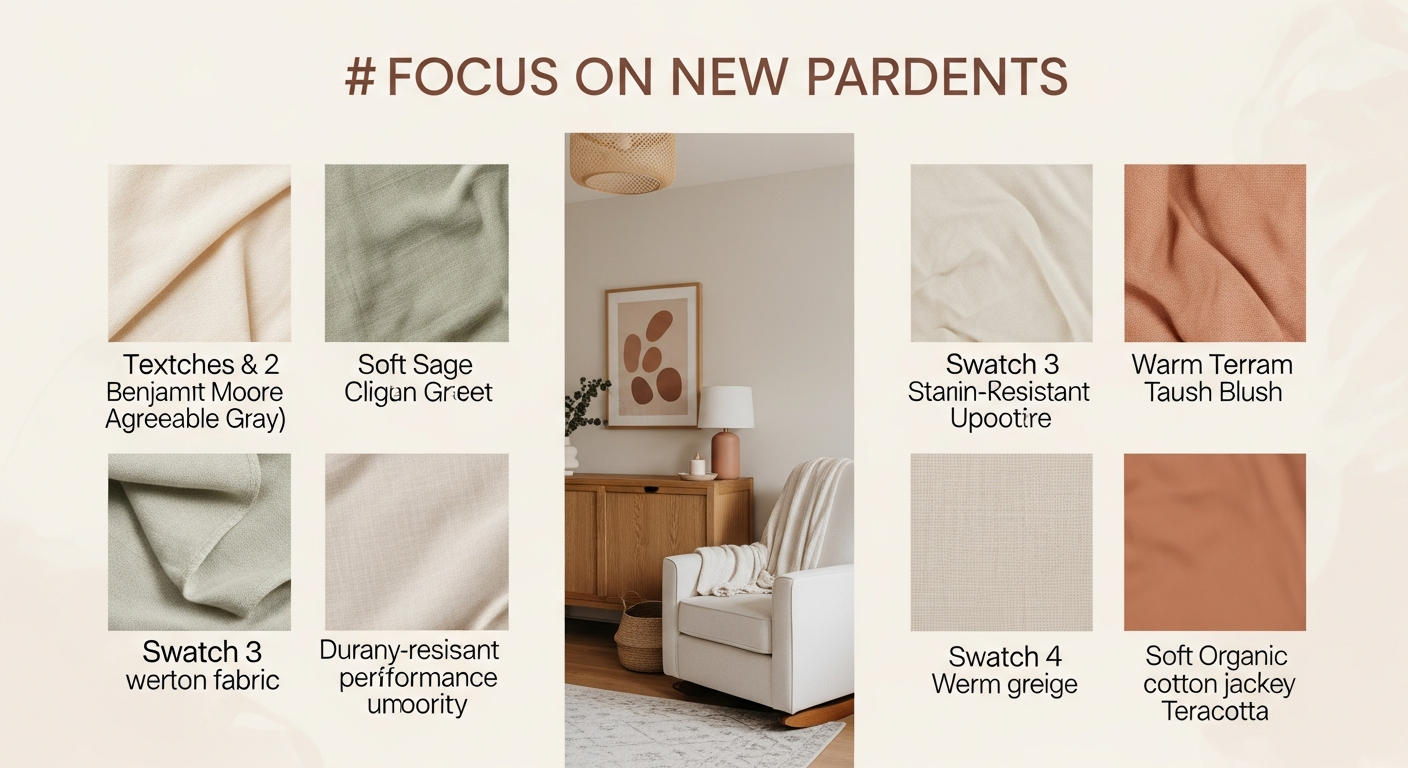
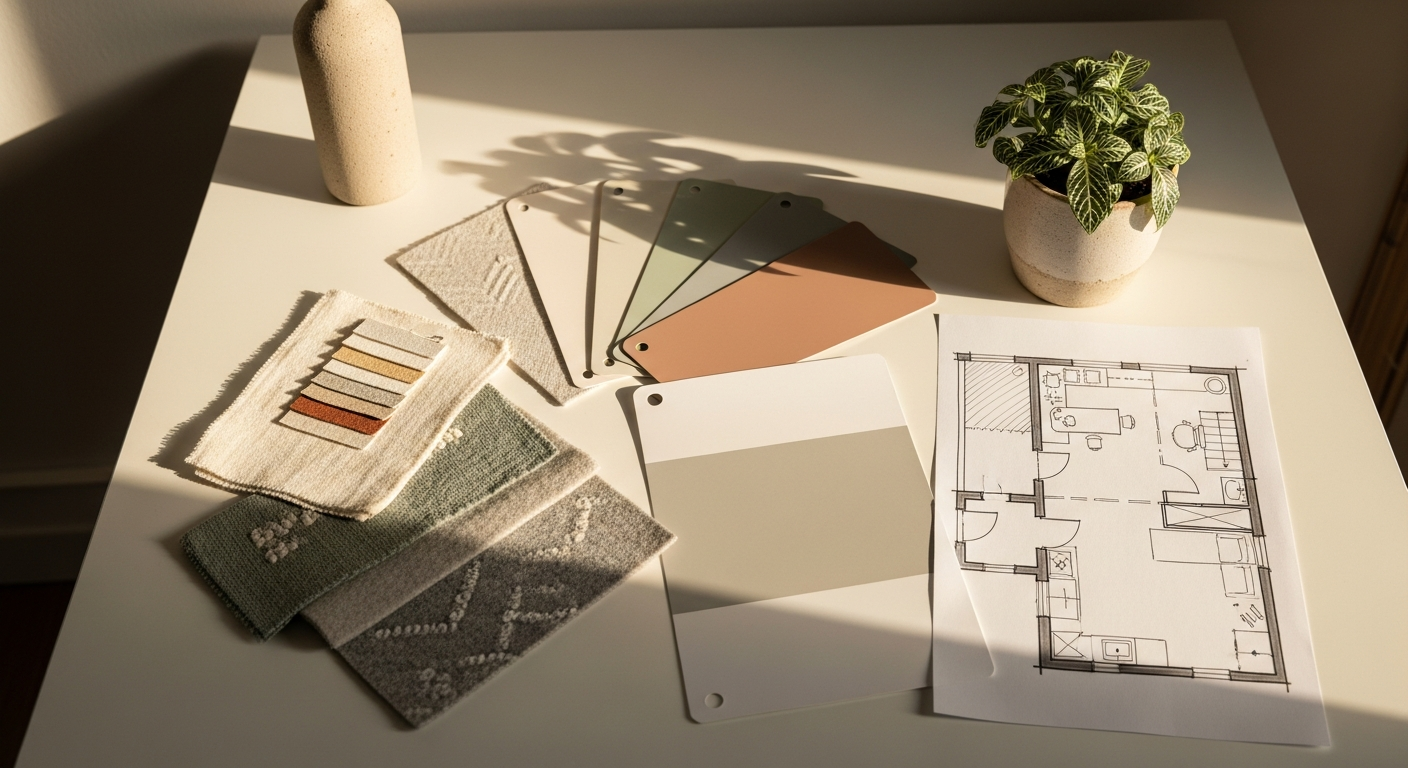
Next, delve into the aesthetic. What is your brand’s visual identity? Is it minimalist and modern, vibrant and playful, or sophisticated and traditional? Compile a vision board (physical or digital) that includes images, color palettes, textures, and even typography that evoke the desired mood. Consider the overall style – will it be editorial, documentary, lifestyle, or a blend? This exercise is much like creating a mood board for a home renovation; it helps to solidify the visual language and ensures everyone involved is on the same page. Incorporate elements that resonate with your brand’s core values. For a design-centric company, this might mean showcasing clean lines, natural light, and thoughtful compositions, much like one might consider when asking, “Are you ready to enhance your home?” – thinking about how each visual element contributes to a greater sense of purpose and beauty.
Think about the emotional impact you want to achieve. Do you want your audience to feel inspired, trustworthy, innovative, or approachable? The choice of colors, lighting, poses, and even the subtle expressions of your team members will contribute to this emotional resonance. This foundational step ensures that every subsequent decision, from selecting your photographer to choosing your wardrobe, serves a unified artistic and strategic vision, preventing a disjointed collection of images and instead yielding a cohesive visual narrative.
Remember, a great photoshoot is an investment in your brand’s future. By taking the time to meticulously plan your vision and aesthetic, you lay the groundwork for a collection of images that will not only look stunning but also effectively communicate your brand’s essence and objectives to the world. It’s about building a visual asset that truly reflects who you are and where you’re headed in 2026 and beyond.
Assembling Your Dream Team: From Photographer to Stylist
Just as a well-appointed home requires the expertise of various specialists – an architect, an interior designer, perhaps a landscape artist – organizing a truly impactful company photoshoot necessitates assembling a dream team of professionals. This isn’t a task for a single individual; it’s a collaborative effort that leverages diverse skills to bring your vision to life. Neglecting the right talent is akin to overlooking fundamental structural elements in your home; it’s one of those things you should never neglect in your home, just as you should never neglect the right professionals for your brand’s visual representation.
At the heart of your team will be the photographer. This individual is more than just someone who clicks a button; they are an artist, a storyteller, and a visual interpreter of your brand. Look for a photographer whose portfolio aligns with your desired aesthetic and whose previous work demonstrates a strong understanding of commercial or corporate photography. Interview potential candidates, discuss your vision board, and ensure there’s a good creative chemistry. Their ability to capture light, compose compelling shots, and direct subjects comfortably is paramount.
Next, consider a stylist. A wardrobe stylist can ensure that all clothing choices align with your brand’s aesthetic, color palette, and the overall mood of the shoot. They can help employees choose outfits that are flattering, professional, and consistent, avoiding visual distractions. For product-focused shoots, a product stylist is invaluable, meticulously arranging items to highlight their features and create visually appealing compositions. This level of detail is critical for elevating your imagery from good to outstanding.
Depending on the scope, you might also need a professional hair and makeup artist. Their expertise can ensure that everyone looks polished, camera-ready, and confident, minimizing shine, evening skin tones, and enhancing natural features. This attention to personal presentation contributes significantly to the overall professional appearance of your team and brand in the final images.
For larger, more complex shoots, or if you’re also capturing video content, a dedicated producer or project manager can be a game-changer. This person handles all the intricate logistics: scheduling, managing the timeline, coordinating with the venue, handling permits, and ensuring everyone knows their role and when to be where. Their organizational prowess allows the creative team to focus solely on the artistic aspects, making the shoot day run smoothly and efficiently.
Finally, don’t forget your internal team members who will be involved. Designate a lead contact person from your company who can answer questions, make on-the-spot decisions, and ensure brand consistency. This person acts as the bridge between your company’s objectives and the creative execution of the external team. By carefully curating this dream team, you empower your company photoshoot to be a seamless, highly professional, and ultimately successful endeavor, resulting in images that truly reflect the caliber of your brand.
Location, Location, Location: Crafting the Perfect Backdrop
Consider your brand’s personality and the message you wish to convey. Do you want to project innovation and modernity? A sleek, minimalist studio with ample natural light or a contemporary co-working space might be ideal. Is your brand built on warmth, community, or creativity? A vibrant, eclectic office, a cozy cafe, or an outdoor urban setting could better reflect that ethos. If your company operates in a specific industry, such as manufacturing or hospitality, showcasing your actual workspace can add authenticity and transparency, allowing your audience to connect with your operations on a deeper level.
On-site at your office: This is often the most convenient and cost-effective option. It offers an authentic glimpse into your company culture and environment. However, it requires meticulous preparation. You’ll need to declutter, deep clean, and potentially redecorate specific areas to ensure they are camera-ready. Pay close attention to branding elements – logos, artwork, and company colors – ensuring they are visible but not overwhelming. Natural light is key, so scouting the best-lit areas at different times of day is crucial.
Rented studio space: A professional studio offers unparalleled control over lighting, backdrops, and privacy. This is excellent for headshots, product photography, or highly stylized conceptual shots. Studios often come equipped with professional lighting gear and various backdrops, providing flexibility and a polished finish. While it might involve a rental fee, the control and quality often justify the investment.
Unique external locations: Sometimes, stepping outside the traditional office or studio can create truly memorable imagery. This could be an urban rooftop for a dynamic, forward-thinking feel, a serene park for a more natural and approachable vibe, or a historic building for a sense of gravitas and heritage. Always consider permits, accessibility, and potential weather challenges when opting for external locations. These locations can add significant character and storytelling depth to your visuals.
Regardless of your choice, critically assess the lighting. Natural light is often preferred for its softness and authenticity, but understanding how it behaves in your chosen space throughout the day is vital. For indoor locations, supplement with artificial lighting if necessary to ensure consistent, flattering illumination. Finally, think about props and decor. These elements should reinforce your brand message without cluttering the frame. A thoughtfully placed plant, a stack of relevant books, or a piece of art can subtly enhance the scene. By carefully selecting and preparing your location, you create a powerful stage for your company’s visual story, ensuring every frame contributes to a cohesive and compelling brand presence for 2026.
The Art of Styling: Wardrobe, Props, and Visual Cohesion
In the realm of interior design, every cushion, every piece of art, and every throw blanket contributes to the overall narrative and feel of a room. Similarly, in a company photoshoot, the art of styling – encompassing wardrobe, props, and meticulous attention to detail – is paramount to achieving visual cohesion and effectively communicating your brand’s message. This is where your vision truly comes alive, transforming raw concepts into polished, impactful imagery. It’s about ensuring that every element on camera serves a purpose, much like every carefully chosen item in a thoughtfully designed living space.
Wardrobe Guidelines: What your team wears speaks volumes. Develop clear wardrobe guidelines that align with your brand’s aesthetic and the shoot’s objective. If your brand is corporate and formal, advise business attire. If it’s creative and casual, smart-casual might be appropriate. Consider a specific color palette that complements your brand colors without being overtly branded. Often, solid, neutral colors (grays, blues, creams) work best as they don’t distract and allow the subjects to stand out. Avoid busy patterns, very bright colors, and clothing with large visible logos from other brands. Encourage employees to choose outfits they feel comfortable and confident in, as this will translate into more natural and authentic poses. Providing examples or even having a stylist on hand for minor adjustments can be incredibly beneficial.
Strategic Prop Selection: Props are not just random objects; they are storytelling tools. Every prop should have a reason for being in the shot, enhancing the narrative or reinforcing your brand values. For instance, if you’re a tech company, sleek laptops, tablets, and modern office accessories make sense. If you’re a creative agency, sketchbooks, art supplies, or unique design objects can convey your innovative spirit. For a wellness brand, natural elements like plants, artisanal ceramics, or healthy snacks could be appropriate. Think about the functionality and aesthetic appeal of each prop. Are they clean, well-maintained, and visually appealing? Do they add depth without cluttering the frame?
Visual Cohesion and Attention to Detail: This is where the magic happens. A great photoshoot is characterized by its seamless visual flow. Ensure that the styling of wardrobe and props is consistent across all shots and aligns with the chosen location and overall aesthetic. Pay meticulous attention to small details: neatly organized desks, clean surfaces, straightened collars, and even the absence of distracting elements like crumpled papers or visible cables. Just as you wouldn’t neglect the minor details that contribute to the overall ambiance of your home, these seemingly small elements can significantly impact the professionalism and polish of your final images. Think about the texture, form, and placement of each item, ensuring they contribute to a harmonious composition. This dedication to detail ensures that your images are not only beautiful but also communicate a sense of care and professionalism that reflects positively on your brand. By thoughtfully curating every visual element, you create a powerful and unified message that resonates with your audience, making your brand truly memorable in a crowded marketplace for 2026.
The Logistics Lowdown: Planning for a Seamless Shoot Day
Even the most brilliant creative vision can crumble without meticulous logistical planning. Organizing a company photoshoot is akin to orchestrating a complex event; every moving part needs to be synchronized for a seamless, stress-free, and ultimately successful execution. This is where your inner project manager shines, ensuring that the day itself runs like a well-oiled machine, much like optimizing your daily routines. For example, just as you might consider “3 ways to improve the functionality of your bathroom” to streamline your morning, you need to apply similar functional thinking to your photoshoot schedule.
Develop a Comprehensive Timeline: Before the shoot day, create a detailed schedule outlining every activity, from arrival times for team members and external professionals to specific shot blocks, breaks, and wrap-up. Allocate realistic timeframes for each segment, factoring in setup, transitions between locations or outfits, and potential delays. Share this timeline with everyone involved – the photography team, stylists, hair/makeup artists, and all participating employees – well in advance. Clarity prevents confusion and ensures punctuality.
Craft an Exhaustive Shot List: This is your visual roadmap. Work with your photographer to develop a detailed shot list that breaks down every desired image. Categorize shots by subject (e.g., team headshots, group photos, candid interactions, product shots, office environment), location, and specific poses or actions. Include reference images from your vision board for clarity. A thorough shot list ensures that no critical image is missed and helps the photographer work efficiently through the day.
Create a Detailed Call Sheet: More than just a timeline, a call sheet is a comprehensive document that includes all essential information for the shoot day. This should list:
- Date, time, and exact location(s)
- Contact information for key personnel (photographer, project manager, company lead)
- Detailed schedule for each participant
- Wardrobe guidelines and styling notes
- Directions and parking information
- Emergency contacts and contingency plans
- Any specific instructions regarding props, equipment, or access
Distribute this call sheet several days before the shoot and send a reminder the day prior.
Handle Permits and Access: If your shoot involves public spaces, private venues beyond your office, or requires special equipment (like drones), ensure all necessary permits are secured well in advance. Confirm access times and any specific rules or restrictions with the location manager. This proactive step prevents last-minute headaches and potential legal issues.
Plan for Comfort and Refreshments: A long photoshoot can be tiring. Ensure there are designated areas for breaks, comfortable seating, and access to restrooms. Arrange for catering, snacks, and plenty of water or coffee. Keeping your team and the external crew well-fed and hydrated contributes significantly to morale and sustained energy levels throughout the day. A happy team is a productive team, resulting in more authentic and vibrant images.
Establish Contingency Plans: No matter how well you plan, unforeseen circumstances can arise. Have backup options for weather (for outdoor shoots), equipment malfunctions, or unexpected absences. Think about alternative indoor locations, backup power sources, or a plan for rescheduling if absolutely necessary. Proactive problem-solving ensures that minor hitches don’t derail your entire photoshoot.
By meticulously addressing these logistical elements, you create a robust framework that supports the creative process, allowing your team and the photographers to focus on capturing truly great images without distraction. A seamless shoot day directly translates into higher quality results, ensuring your investment yields the visual assets you need for 2026 and beyond.
Beyond the Lens: Post-Production and Distribution
The exhilarating energy of the photoshoot day may fade, but the journey of your company’s visual assets is far from over. In fact, what happens beyond the lens – during post-production and strategic distribution – is equally crucial in shaping the final impact and longevity of your images. This phase transforms raw captures into polished, brand-aligned visual stories, ensuring they are ready to captivate your audience across various platforms. Think of it as the meticulous finishing touches in interior design; the paint, the lighting, the accessories, all come together to define the final aesthetic and functionality of a space.
The Art of Post-Production: This stage begins with the photographer’s initial culling, where the best images are selected from the many taken. Following this, the real magic of editing and retouching unfolds.
- Color Grading and Correction: Ensuring consistent color temperature, exposure, and vibrancy across all selected images is paramount. This creates a cohesive look and feel, reinforcing your brand’s visual identity.
- Retouching: This involves subtle enhancements – removing minor blemishes, stray hairs, or distracting background elements. The goal is to achieve a polished look without making individuals appear unnatural or overly airbrushed. Authenticity remains key, especially when showcasing your team.
- Cropping and Composition: Optimizing images for various aspect ratios and compositions ensures they look good across different uses, from website banners to social media posts.
- Brand Consistency: Work closely with your photographer to ensure that the editing style aligns with your brand’s established visual guidelines. This includes specific color profiles, filters, or overall mood.
This phase is where the final aesthetic is truly cemented, transforming good photographs into exceptional brand assets.
Image Selection and Approval: Once the initial post-production is complete, you’ll receive a gallery of edited images. This is a critical internal step. Assemble a small, focused team (e.g., marketing lead, CEO, creative director) to review and approve the final selections. Look for images that not only look great but also effectively communicate your brand message, capture genuine emotion, and feature key team members or products. Provide clear, constructive feedback to the photographer for any final tweaks.
Strategic Distribution and Asset Management: High-quality images are only valuable if they are seen and used effectively. Plan how and where these new visual assets will be deployed:
- Website and Blog: Update your ‘About Us’ page, team profiles, service pages, and blog posts with fresh, engaging visuals.
- Social Media: Create a content calendar that incorporates your new images across platforms like LinkedIn, Instagram, Facebook, and Pinterest. Tailor captions and hashtags to maximize reach.
- Marketing Materials: Integrate images into brochures, presentations, email campaigns, and advertising creatives.
- Press Kits: Ensure high-resolution versions are available for media outlets covering your company.
- Internal Communications: Use images in internal newsletters, company intranets, and presentations to boost team morale and reinforce culture.
Crucially, establish a robust system for asset management. Store high-resolution and web-optimized versions of your images in an organized, accessible digital asset management (DAM) system. Clearly label files with keywords and usage rights. This makes it easy for your team to find and utilize images consistently, ensuring your visual investments continue to pay dividends throughout 2026 and beyond. By focusing on both the meticulous finishing of your images and their strategic deployment, you ensure your company photoshoot yields lasting impact and reinforces your brand’s powerful visual story.
Maximizing Your Visual Assets: Repurposing and Refreshing for 2026
A great company photoshoot isn’t a one-and-done event; it’s an investment in a library of visual assets designed for longevity and versatility. Just as a well-designed home offers multiple functional zones and adapts to changing needs, your photoshoot imagery should be capable of being repurposed, refreshed, and strategically deployed across numerous channels over time. In a dynamic digital landscape, maximizing the utility of your visual content is key to maintaining a fresh and engaging brand presence throughout 2026 and beyond.
Strategic Repurposing Across Platforms: One of the most effective ways to maximize your assets is to think beyond their initial intended use.
- Website Refresh: Use new imagery to update your ‘About Us’ section, team pages, service descriptions, and blog post headers. High-quality visuals can significantly improve user engagement and perceived professionalism.
- Social Media Campaigns: Develop a diverse content calendar utilizing different crops, angles, and themes from your photoshoot. A single group shot can yield multiple individual portraits, candid moments, or background images. Create carousels, stories, and Reels (if applicable) using segments of your new visuals.
- Email Marketing: Incorporate compelling hero images into your newsletters and promotional emails to increase open rates and click-throughs.
- Presentations and Reports: Elevate your internal and external presentations, sales decks, and annual reports with professional, on-brand photography.
- Advertising and PR: Use your strongest images in digital ads, print campaigns, and press releases. Having a robust library of approved images makes it easier for media outlets to feature your brand.
By thoughtfully repurposing, you extend the lifespan of your investment and ensure consistent brand messaging across all touchpoints.
Refreshing Content without a Full Reshoot: While a full company photoshoot is essential periodically, you don’t always need to plan a massive event to refresh your visuals.
- Minor Updates: If you have a strong base of imagery, consider smaller, more targeted shoots to capture new team members, specific product updates, or seasonal content.
- Graphic Overlays and Textures: Use design tools to add graphic overlays, text, or brand-consistent filters to existing photos, giving them a fresh look for specific campaigns.
- Behind-the-Scenes Content: Mix in more candid, user-generated content or behind-the-scenes glimpses from your main shoot to add authenticity and relatability. This can be particularly engaging for social media.
- Focus on Detail Shots: Often, a full photoshoot yields numerous detail shots – a hand at work, an interesting texture, a specific product feature. These can be incredibly versatile for filling content gaps and creating visual variety.
This agile approach helps keep your brand’s visual story dynamic and current without the full logistical burden of a major production.
Maintaining Brand Consistency: As you repurpose and refresh, always ensure that every image maintains your brand’s core visual identity. Adhere to your established color palettes, photographic styles, and messaging. A consistent visual language builds recognition and trust with your audience. Regularly audit your online presence to ensure all visuals are up-to-date and reflect your current brand ethos. By strategically managing and evolving your visual assets, your company photoshoot becomes a continuous source of engaging content, keeping your brand vibrant and relevant for years to come.
FAQ: Your Company Photoshoot Questions Answered
How far in advance should I start planning a company photoshoot?
Ideally, you should begin planning a comprehensive company photoshoot at least 2-3 months in advance. This timeframe allows ample opportunity to define your vision, secure a top-tier photographer and creative team, scout and book locations, develop detailed shot lists, and communicate effectively with your internal team regarding wardrobe and schedules. For very large or complex shoots, or if you’re targeting a specific time of year (e.g., holiday campaigns), 4-6 months might be more appropriate. Early planning reduces stress and ensures you have access to the best talent and resources.
What’s the most important factor in choosing a photographer?
While budget and availability are practical considerations, the most important factor in choosing a photographer is their portfolio’s alignment with your brand’s aesthetic and the specific vision for your photoshoot. Look for a photographer whose style, lighting techniques, and ability to capture emotion or specific types of imagery (e.g., corporate headshots, candid team interactions, product photography) resonate deeply with your brand’s identity and goals. Good creative chemistry and clear communication are also vital for a successful collaboration.
Should employees wear specific outfits for the photoshoot?
Yes, providing clear wardrobe guidelines is highly recommended. This ensures visual cohesion and professionalism across all images. You might specify a color palette (e.g., solid neutrals, brand-aligned tones), a dress code (e.g., business casual, professional attire), and advise against distracting patterns or large visible logos. Consider providing examples or mood boards. Ultimately, employees should wear outfits they feel comfortable and confident in, as this contributes to more natural and authentic expressions on camera.
How can we make sure everyone feels comfortable on camera?
Creating a relaxed and supportive atmosphere is key. Share the shot list and schedule in advance so employees know what to expect. Encourage them to be themselves and remind them that the photographer’s role is to make them look great. Provide plenty of breaks, snacks, and water. A professional photographer will also be skilled at directing and making subjects feel at ease, using humor and clear instructions. Consider having music playing in the background or a team member offering encouragement to boost morale and comfort levels.
What’s the typical budget range for a professional company photoshoot?
The budget for a professional company photoshoot can vary significantly based on scope, location, and the experience of the creative team. A small shoot with a single photographer for a few hours might range from $1,500-$5,000. Larger, multi-day shoots involving a full creative team (photographer, stylist, hair/makeup, producer), multiple locations, and extensive post-production can range from $10,000 to $30,000+. It’s crucial to get detailed quotes and discuss your specific needs with potential vendors to align on budget expectations.
How long does post-production usually take after the photoshoot?
The post-production phase, which includes culling, editing, retouching, and final delivery of images, typically takes 2-4 weeks after the shoot day. This timeline can vary depending on the volume of images, the complexity of the editing required, and the photographer’s current workload. Always clarify the expected delivery timeline with your photographer upfront and factor this into your overall project schedule, especially if you have specific launch dates for campaigns or website updates in 2026.
Recommended Resources
Explore What Is Video Marketing And How To Use It For Your Brand for additional insights.
Explore Trello Vs Asana Vs Monday Comparison for additional insights.