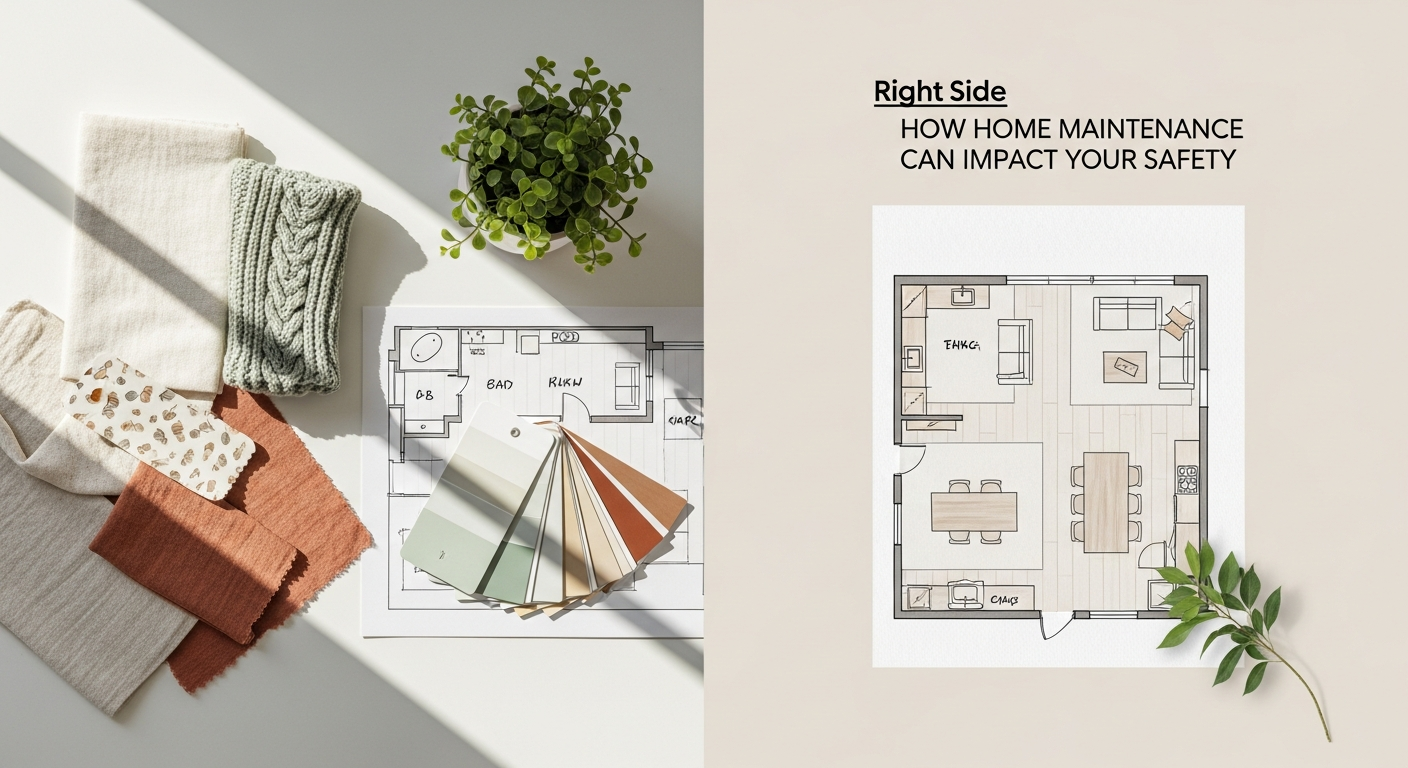
The Unseen Guardians: Structural Integrity and Your Well-being
Imagine a masterpiece of interior design, a home where every corner exudes elegance and every detail speaks of thoughtful curation. Now, picture that masterpiece resting on a shaky foundation, with a leaky roof and crumbling walls. The beauty instantly diminishes, replaced by a lurking sense of unease. This is precisely why structural integrity stands as the paramount pillar of home safety. Neglecting the fundamental structure of your abode isn’t just about potential repair costs; it’s about safeguarding the very lives within. Your home’s foundation, roof, walls, and floors are its skeleton, and any weakness can lead to catastrophic consequences.
Let’s start with the foundation. It bears the entire weight of your home. Cracks, shifting, or moisture intrusion are not merely cosmetic issues; they are red flags indicating potential structural instability. A compromised foundation can lead to uneven floors, sticking doors and windows, and ultimately, a house that is literally falling apart. Regular inspections for hairline cracks, water pooling around the perimeter, or unexplained settling are critical. Addressing these early can prevent extensive and costly repairs, but more importantly, it prevents the risk of collapse or significant structural failure that could endanger occupants.
Next, consider your roof – your home’s primary shield against the elements. Missing shingles, cracked tiles, or worn-out flashing are direct invitations for water infiltration. A leaky roof doesn’t just cause unsightly water stains on your ceilings; it can lead to widespread wood rot in the attic and wall cavities, compromising the structural integrity of your framing. Beyond the structural damage, water ingress creates a perfect breeding ground for mold and mildew, which can severely impact indoor air quality and trigger respiratory issues or allergic reactions. Regular gutter cleaning is also vital, ensuring proper drainage and preventing water from backing up and damaging the fascia, soffits, and even the foundation. These are truly among the things you should never neglect in your home.
Walls and ceilings, while often seen as canvases for artistic expression, also play a crucial role in structural stability and safety. Large cracks, bulging plaster, or persistent water stains are indicators of underlying problems, be it a leaky pipe, roof damage, or foundation issues. These visible signs should prompt immediate investigation. Furthermore, ensuring that interior walls are properly secured and free from excessive moisture prevents the growth of hazardous mold spores, which can silently undermine both the structure and the health of your family. Loose railings on staircases or balconies, often overlooked, are direct trip-and-fall hazards that can lead to serious injuries. A quick tightening or reinforcement can make all the difference between a safe ascent and a dangerous tumble.
Finally, your flooring, the stage upon which daily life unfolds, demands attention. Loose floorboards, uneven transitions between different flooring types, or frayed carpets are significant trip hazards, especially for children and the elderly. Regular checks for wear and tear, prompt repairs of loose tiles or boards, and ensuring carpets are securely fastened can prevent countless accidents. In multi-story homes, proper maintenance of subflooring and joists is essential to prevent sagging and ensure the stability of the entire level. These foundational elements, though often out of sight, are the silent guardians of your home’s safety, underpinning every design choice and every moment of peace within its walls.
Beyond Aesthetics: Safeguarding with Electrical and Plumbing Systems
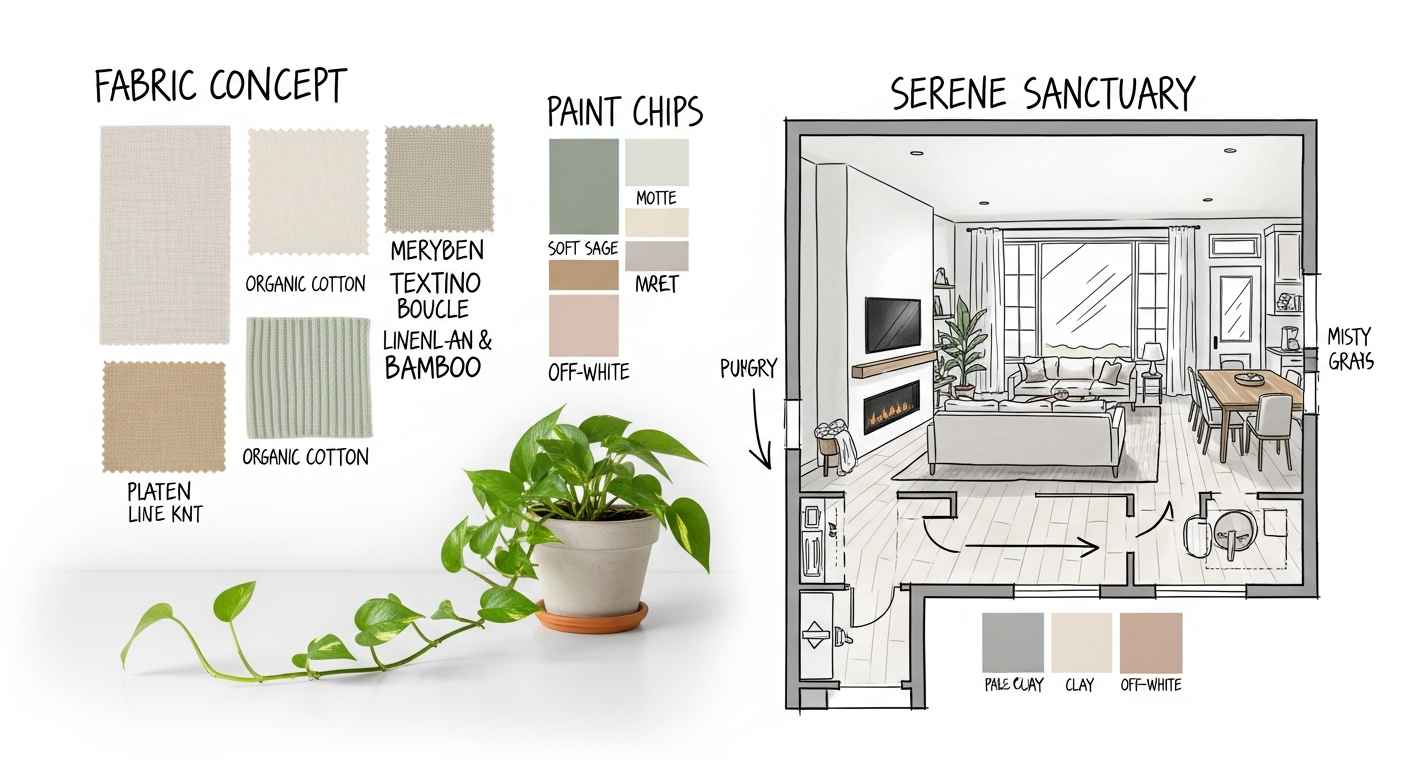
In the pursuit of a visually stunning home, the intricate networks of electrical wiring and plumbing pipes often become invisible until something goes wrong. Yet, these systems are the very lifeblood of a functional and safe home, and their proper maintenance is absolutely non-negotiable. Neglecting them isn’t just an inconvenience; it can lead to devastating fires, severe water damage, and significant health risks.
Consider the silent threat of electrical systems. Faulty wiring, overloaded circuits, and outdated electrical panels are leading causes of house fires. In 2026, with an increasing reliance on smart home technology and high-power appliances, the demands on your electrical infrastructure are greater than ever. Frayed wires, outlets that are warm to the touch, flickering lights, or the persistent smell of burning plastic are all urgent warning signs that should never be ignored. Regular inspections by a qualified electrician can identify potential hazards, such as ungrounded outlets, improper wiring, or a panel that can’t handle your home’s power demands. Ensuring your home has working smoke detectors and carbon monoxide detectors, and testing them monthly, is a fundamental safety practice that literally saves lives. GFCIs (Ground Fault Circuit Interrupters) in bathrooms, kitchens, and outdoor areas are crucial for preventing electrical shocks, while AFCIs (Arc Fault Circuit Interrupters) protect against arc faults, which are a common cause of electrical fires. These proactive measures are not just about compliance; they are about creating an environment where your family is protected from unseen dangers.
Equally vital are your home’s plumbing systems. A burst pipe can cause thousands of dollars in water damage in mere minutes, leading to structural decay, ruined furnishings, and an immediate invitation for mold growth. Leaky faucets, running toilets, or damp spots on walls and ceilings are not just minor annoyances; they are indicators of potential underlying issues that can escalate rapidly. Regular checks for leaks, understanding the location of your main water shut-off valve, and insulating pipes in cold climates are essential preventative steps. Furthermore, proper drainage in bathrooms and kitchens prevents water accumulation that can seep into subflooring and walls, fostering mold and mildew. This ties directly into advice on 3 ways to improve the functionality of your bathroom, as addressing plumbing issues like persistent leaks or poor ventilation is often the first step towards a truly functional and safe space. Neglecting these seemingly small plumbing issues can lead to compromised indoor air quality, costly structural repairs, and even health problems for occupants, making diligent maintenance not just a wise investment but a critical safety measure.
The interplay between these two systems is also critical. Water leaks near electrical outlets or appliances create extreme hazards. Ensuring proper sealing around fixtures and understanding where your electrical and plumbing lines run can help prevent dangerous cross-contamination or damage. In a home designed for both beauty and comfort, the invisible work of well-maintained electrical and plumbing systems is what truly allows the aesthetics to shine, providing the safe and reliable infrastructure for modern living.
Breathe Easy: Air Quality and Environmental Health
One of the most critical components of indoor air quality is your HVAC (Heating, Ventilation, and Air Conditioning) system. This system is responsible for circulating air throughout your home, controlling temperature and humidity. Neglecting it can turn it into a breeding ground for dust mites, mold spores, and bacteria, which are then distributed into every room. Regular replacement of air filters (every 1-3 months, depending on usage and presence of pets/allergies) is a simple yet powerful act of maintenance that significantly improves air quality, removes allergens, and extends the life of your unit. Beyond filters, professional duct cleaning every few years can remove accumulated dust, pet dander, and other debris that act as reservoirs for pollutants. A well-maintained HVAC system not only provides comfortable temperatures but also helps regulate humidity, preventing the conditions conducive to mold growth and enhancing overall respiratory health.
Ventilation, often an overlooked aspect of design, is paramount for safety. Bathrooms, kitchens, and laundry rooms are hotspots for moisture and airborne contaminants. Properly functioning exhaust fans in these areas are crucial for expelling humid air, cooking fumes, and chemical vapors. Without adequate ventilation, moisture builds up, leading to peeling paint, warped cabinetry, and, most importantly, pervasive mold growth. Mold isn’t just unsightly; it releases spores that can cause allergic reactions, asthma attacks, and other respiratory problems. Regular cleaning of fan grilles and ensuring their proper operation prevents these issues, maintaining both the aesthetic integrity and the health of your home.
Beyond HVAC and ventilation, homeowners must be vigilant about other environmental hazards. Carbon monoxide (CO) is an invisible, odorless, and deadly gas produced by faulty furnaces, water heaters, gas stoves, and fireplaces. Working carbon monoxide detectors placed strategically throughout your home are non-negotiable safety devices. Regular professional servicing of all fuel-burning appliances ensures they operate efficiently and safely, minimizing CO risk. Similarly, radon gas, a naturally occurring radioactive gas that can seep into homes from the ground, is another silent killer. Testing for radon, especially in basements and lower levels, and mitigating if levels are high, is a critical environmental health measure that protects against long-term health risks, including lung cancer.
Even the materials and furnishings we choose for our interiors can impact air quality. Volatile Organic Compounds (VOCs) emitted from certain paints, glues, furniture, and cleaning products can contribute to indoor air pollution. While design trends lean towards natural materials and low-VOC products, proper ventilation during and after renovation projects remains essential. Regular cleaning, using non-toxic products, and ensuring good airflow throughout your home are simple yet effective ways to maintain a healthy indoor environment. By actively managing these aspects of environmental health, you transform your home into a truly safe haven, where every breath is as clean and refreshing as the design itself.
Secure Spaces: Doors, Windows, and Digital Defenses
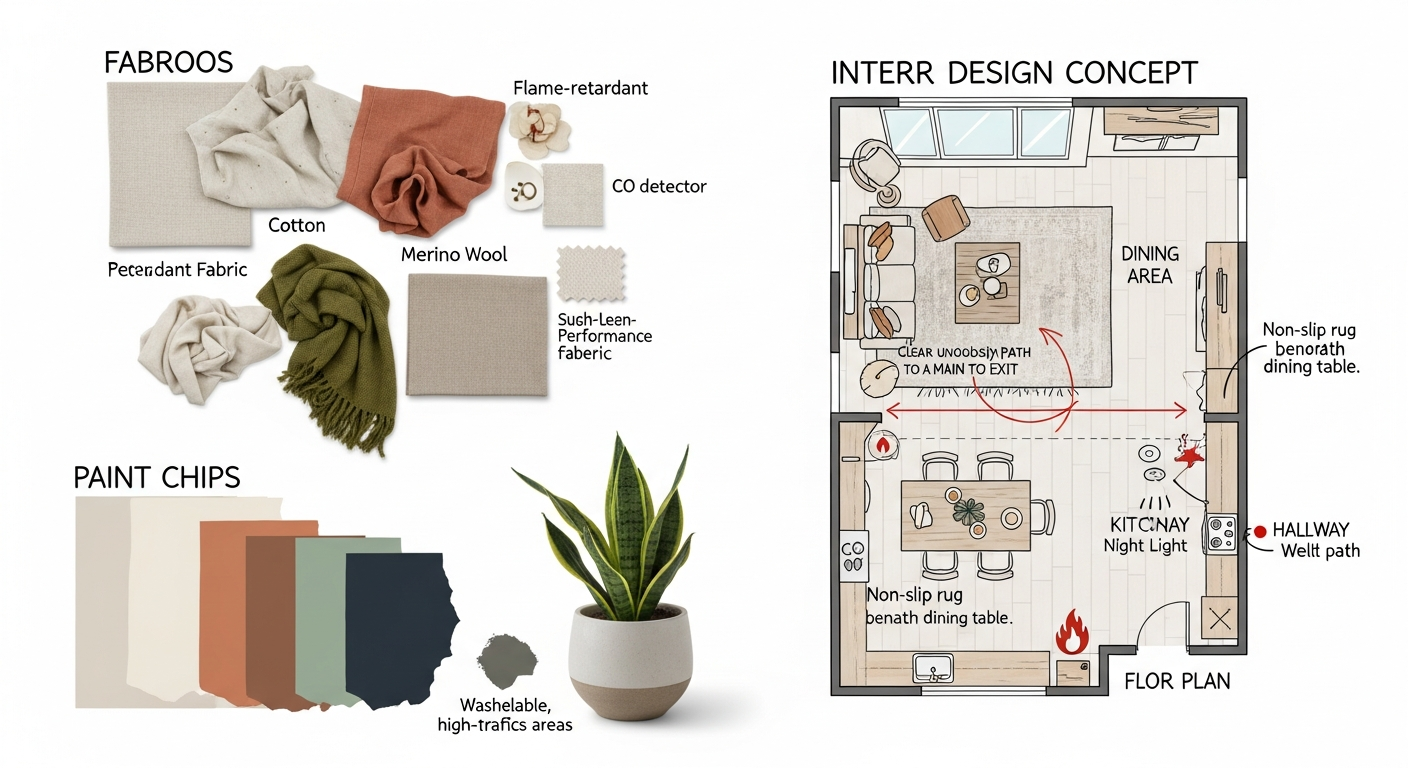
A home, regardless of its aesthetic brilliance, cannot be a true sanctuary if it isn’t secure. Beyond the beauty of curated decor, the fundamental ability to feel safe within your own walls is paramount. Home maintenance plays a critical role in fortifying your defenses, encompassing everything from physical barriers like doors and windows to the sophisticated layers of modern digital security. In 2026, a truly trend-forward home integrates seamless design with robust, proactive security measures.
The first line of defense often comes in the form of your doors and windows. These aren’t just architectural features; they are crucial entry points that must be maintained for optimal security. Regularly inspect all exterior doors for signs of forced entry, loose hinges, or deteriorating frames. Ensure that all locks—deadbolts, smart locks, or traditional—are in perfect working order. A loose strike plate or a flimsy lock can render even the most expensive door useless against intruders. Similarly, windows need constant attention. Check latches, ensure they close and lock properly, and repair any broken panes or compromised frames immediately. Weather stripping and seals around doors and windows not only improve energy efficiency but also add an extra layer of resistance against tampering. For homes with sliding glass doors, consider additional security bars or pins. These simple maintenance checks can deter opportunistic criminals and provide immense peace of mind.
Beyond the immediate access points, effective lighting is a powerful deterrent. Exterior lighting, especially motion-sensor activated lights around entryways, garages, and dark corners of your property, eliminates hiding spots and makes your home less appealing to potential intruders. But safety isn’t just about deterring external threats; it’s also about preventing accidents within. Well-lit interior spaces, particularly staircases, hallways, and bathrooms, reduce the risk of trips and falls. Regular bulb replacement and cleaning of light fixtures are small tasks that contribute significantly to both security and general safety.
In the digital age of 2026, smart home technology and security systems have become indispensable tools for enhancing safety. Maintenance here extends beyond physical checks to include regular software updates for all connected devices. Smart locks, video doorbells, security cameras, and integrated alarm systems offer unparalleled monitoring and control. However, these systems are only as effective as their upkeep. Ensure batteries in wireless sensors are charged, test alarm systems periodically, and verify that all cameras are functioning and have a clear view. Beyond physical security, maintaining strong, unique passwords for all smart home devices and ensuring your Wi-Fi network is secure prevents cyber-intrusions that could compromise your privacy and even disable your security features. This blend of physical and digital defense creates a multi-layered security blanket for your home.
Finally, consider the larger perimeter of your property. Fences, gates, and even well-maintained landscaping (which we’ll discuss further) contribute to your home’s security. A sturdy, well-repaired fence acts as a physical barrier and a visual deterrent. Regularly checking and repairing gates, ensuring they latch securely, adds another layer of protection. By meticulously maintaining these physical and digital security elements, you transform your home into a fortress of tranquility, allowing its beautiful interior to be enjoyed without the shadow of worry. This proactive approach to security is a core component of being ready to enhance your home, as true enhancement always begins with a secure foundation.
Outdoor Oasis: Landscaping and Exterior Maintenance for Safety
While the allure of a beautifully designed interior often takes center stage, the exterior of your home and its surrounding landscape are just as crucial for safety, curb appeal, and overall well-being. A well-maintained outdoor space isn’t merely about aesthetics; it’s a proactive measure against accidents, pests, and even security breaches. For the interior design enthusiast, extending that same meticulous care to the outdoor oasis ensures a cohesive, safe, and truly inspiring living experience that begins even before you step inside.
Let’s begin with walkways, driveways, and patios. These high-traffic areas are prime locations for hazards if neglected. Cracks, uneven pavers, potholes, or moss growth can easily lead to trips and falls, especially in wet conditions or low light. Regular inspection, timely repairs of cracks and uneven surfaces, and pressure washing to remove slippery algae or debris are essential. Ensuring proper drainage prevents water accumulation that can exacerbate these issues and lead to further deterioration. For homeowners in colder climates, prompt snow and ice removal from these surfaces is a critical safety measure, preventing dangerous slips for residents and visitors alike.
Your deck and patio structures, often extensions of your indoor living space, require particular attention. Wood decks are susceptible to rot, splintering, and insect damage, while railings can become loose over time. Annual inspections for loose boards, wobbly railings, exposed nails, and signs of structural weakness are paramount. Cleaning, sealing, or staining your deck regularly not only enhances its appearance but also protects the wood from moisture and UV damage, extending its lifespan and preventing dangerous decay. A collapse of a poorly maintained deck can lead to severe injuries, making this a crucial area for diligent upkeep.
The role of landscaping in home safety often goes underestimated. Overgrown trees and shrubs can pose multiple threats. Large branches overhanging your roof or power lines are prone to breaking during storms, potentially causing significant property damage or even power outages and electrical fires. Regular trimming of trees and shrubs not only improves the aesthetics of your yard but also removes these hazards. Furthermore, overgrown landscaping can create hidden spots for intruders, reducing visibility around windows and doors. Keeping bushes trimmed below window sills and maintaining clear sightlines around your property enhances security, making your home less appealing to those with ill intentions. Additionally, removing dead or dying trees prevents them from falling unexpectedly.
Finally, effective pest control is a key aspect of outdoor maintenance that impacts indoor safety and health. Pests like rodents, termites, and mosquitoes often originate outdoors and seek entry into your home. Sealing cracks in the foundation, repairing torn window screens, and ensuring proper drainage to eliminate standing water (a mosquito breeding ground) are all preventative measures. Termites can silently cause extensive structural damage, while rodents can chew through electrical wires, creating fire hazards, and spread diseases. Regular checks for signs of pest activity and taking proactive steps to deter them keep your outdoor oasis beautiful and prevent these creatures from compromising the safety and integrity of your indoor sanctuary.
Proactive Maintenance: Your Stylish Shield for 2026
In the dynamic world of interior design and home living, staying ahead means not just embracing the latest trends, but also adopting a forward-thinking approach to home care. Proactive maintenance isn’t a tedious obligation; it’s an investment in your home’s longevity, your family’s safety, and your peace of mind. For the discerning homeowner in 2026, integrating a comprehensive maintenance schedule into your lifestyle is the ultimate design statement – a declaration that your home is not only beautiful but also meticulously cared for, resilient, and enduring.
The cornerstone of proactive maintenance is developing a regular schedule. Just as you plan your decor updates and seasonal refreshes, dedicate time for maintenance tasks. This can be a simple checklist broken down by season, month, or even week. Think of it as an ongoing dialogue with your home, listening to its needs before they become urgent pleas. A seasonal checklist might include gutter cleaning in the fall, HVAC tune-ups in spring and fall, exterior painting touch-ups in summer, and appliance checks year-round. Daily or weekly tasks could involve clearing drains, wiping down surfaces to prevent mold, and checking smoke detector batteries. This systematic approach transforms overwhelming chores into manageable habits, ensuring nothing critical falls through the cracks.
Deciding between DIY and professional help is another key aspect. While many tasks can be handled by an enthusiastic homeowner, knowing when to call in the experts is crucial for safety and efficacy. Basic tasks like changing air filters, cleaning gutters (if safe to do so), or testing smoke detectors are excellent DIY projects. However, complex electrical repairs, extensive plumbing work, roof inspections, or structural assessments should always be left to certified professionals. Attempting advanced repairs without proper knowledge or tools can lead to further damage, injury, or even create new safety hazards. Building a reliable network of trusted contractors – electricians, plumbers, HVAC technicians, and roofers – is an invaluable asset for any homeowner. Their expertise not only ensures the job is done correctly but also provides an additional layer of professional insight into potential issues you might overlook.
The long-term benefits of proactive maintenance extend far beyond immediate safety. A well-maintained home retains its value, often appreciating more significantly over time than one riddled with deferred repairs. When you are ready to enhance your home, whether for personal enjoyment or resale, a solid foundation of diligent maintenance makes every renovation project smoother and more effective. Imagine trying to install a luxurious new bathroom vanity only to discover extensive water damage from a long-neglected leak – the enhancement becomes a costly repair project. Instead, a home free from hidden issues allows your design vision to flourish unimpeded, truly elevating the space.
Moreover, regular maintenance contributes to your home’s energy efficiency. A well-insulated home with properly sealed windows and a finely tuned HVAC system reduces energy consumption, leading to lower utility bills and a smaller environmental footprint. This alignment with sustainable living is not just responsible; it’s a highly sought-after trend in 2026 home design. Ultimately, proactive maintenance is about creating a truly resilient and comfortable living environment. It’s about preventing emergencies rather than reacting to them, ensuring that your home remains a source of joy and security, a stylish shield against the unpredictability of life, ready to embrace the future with grace and steadfastness.
Weaving Wellness into Your Maintenance Routine: Beyond the Basics
As we navigate the complexities of modern living in 2026, the concept of home maintenance is evolving beyond mere repairs and upkeep. It’s becoming an integral part of a holistic approach to wellness, where the health and safety of your living environment directly contribute to your overall well-being. For the creative homeowner, this means weaving thoughtful, wellness-centric practices into your maintenance routine, transforming your home into a truly restorative and safe haven that nurtures both body and mind.
One critical aspect of this expanded view of maintenance is focusing on sensory safety and comfort. Beyond structural integrity and clean air, consider how your home impacts your senses. Are there persistent, unpleasant odors that might indicate mold or pest issues? Regular cleaning, proper ventilation, and prompt addressing of moisture problems will eliminate these. Are noise levels excessive due to poorly sealed windows or vibrating appliances? Maintenance can involve upgrading windows for better sound insulation or ensuring appliances are properly balanced and maintained. Even the quality of your lighting, while often considered an aesthetic choice, has significant safety implications. Ensuring adequate, non-glare lighting in all areas, especially task zones and transitional spaces, prevents eye strain and reduces the risk of falls. This attention to sensory comfort is a proactive maintenance step towards creating a more peaceful and accident-free environment.
Another crucial element is the active management of allergen and irritant sources. For many, a home can be a trigger for allergies and respiratory issues. Your maintenance routine should specifically target these culprits. This includes not just regular HVAC filter changes but also deep cleaning of carpets, upholstery, and drapes where dust mites and pet dander accumulate. Consider professional cleaning services for these items periodically. Regularly cleaning and inspecting bathrooms for mold growth (behind showers, under sinks) is vital, as is ensuring proper ventilation. Even the choice of cleaning products matters; opting for eco-friendly, non-toxic alternatives reduces the chemical load in your indoor air, contributing to a healthier living space. This meticulous approach to managing allergens is an investment in the long-term health of everyone in your household.
Furthermore, maintenance now extends to the upkeep of home safety devices and protocols. This isn’t just about ensuring smoke detectors work, but also about regularly checking fire extinguishers, understanding emergency exit routes, and ensuring that all family members know what to do in case of an emergency. For homes with children or elderly residents, this might involve checking safety gates, securing furniture to walls to prevent tipping, and ensuring clear, uncluttered pathways. Regular review of these safety protocols, perhaps annually, ensures that your home is not only prepared for the unexpected but that its occupants are too. These are the subtle but powerful ways that maintenance transcends mere repair and becomes a profound act of care, transforming your living space into a truly supportive environment.
Finally, embracing smart technology for wellness-oriented maintenance can elevate your routine. Air quality monitors can alert you to high levels of VOCs or particulate matter, prompting action. Smart thermostats can optimize ventilation and humidity. Leak detectors can provide early warnings of water damage. These tools, when properly maintained and integrated, empower you to monitor and manage your home’s environmental health with unprecedented precision. By weaving these wellness considerations into your maintenance routine, you’re not just maintaining a structure; you’re cultivating a vibrant, healthy, and profoundly safe ecosystem that supports every aspect of your life. This forward-thinking approach is what truly defines a well-maintained home in 2026, where beauty and well-being are inextricably linked.