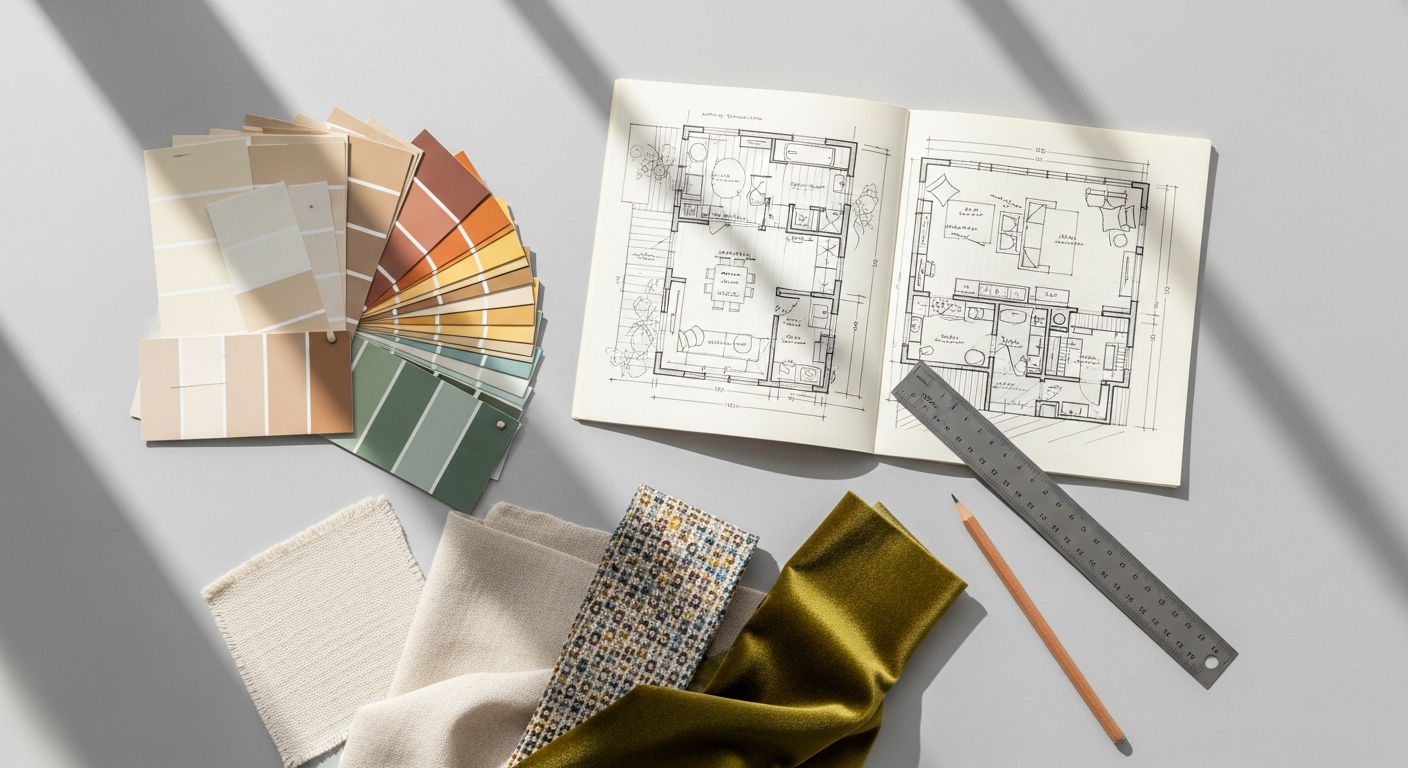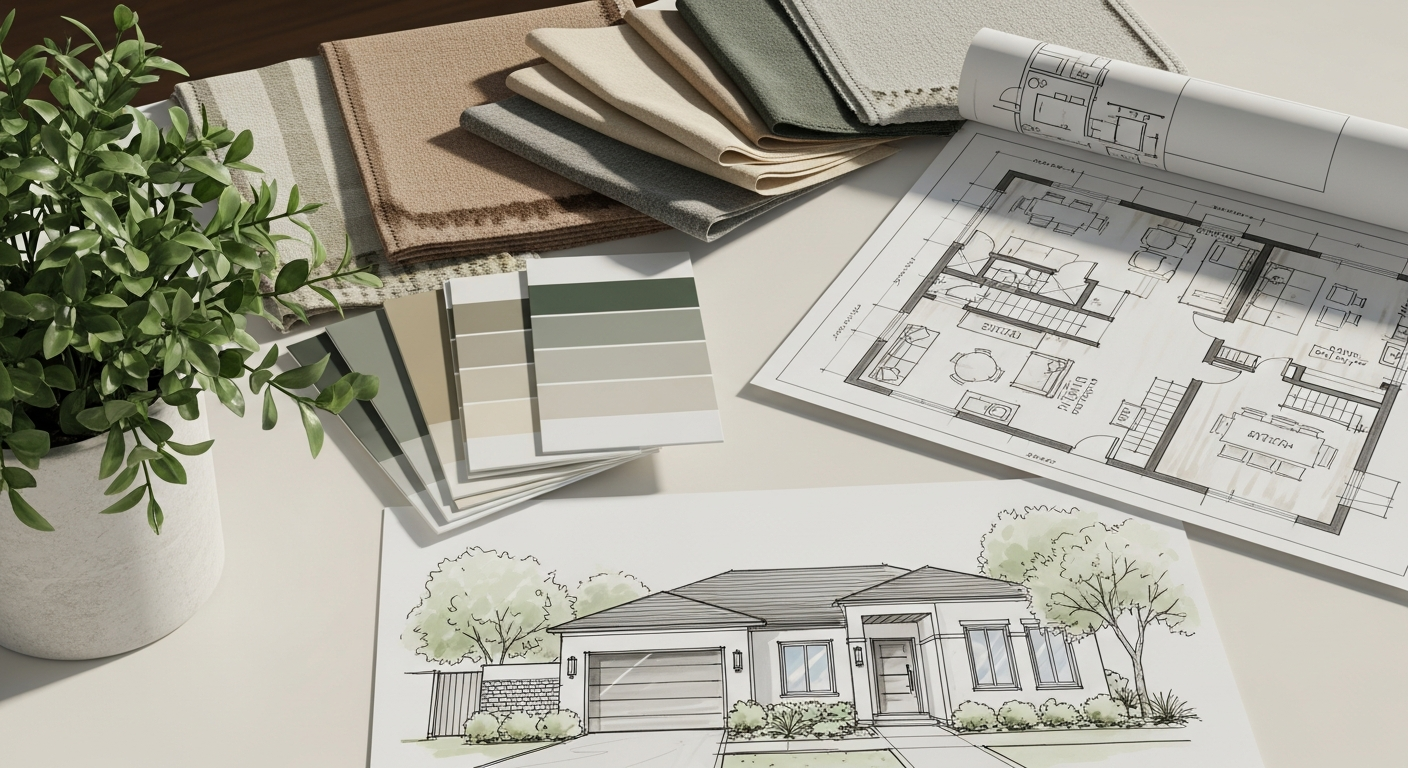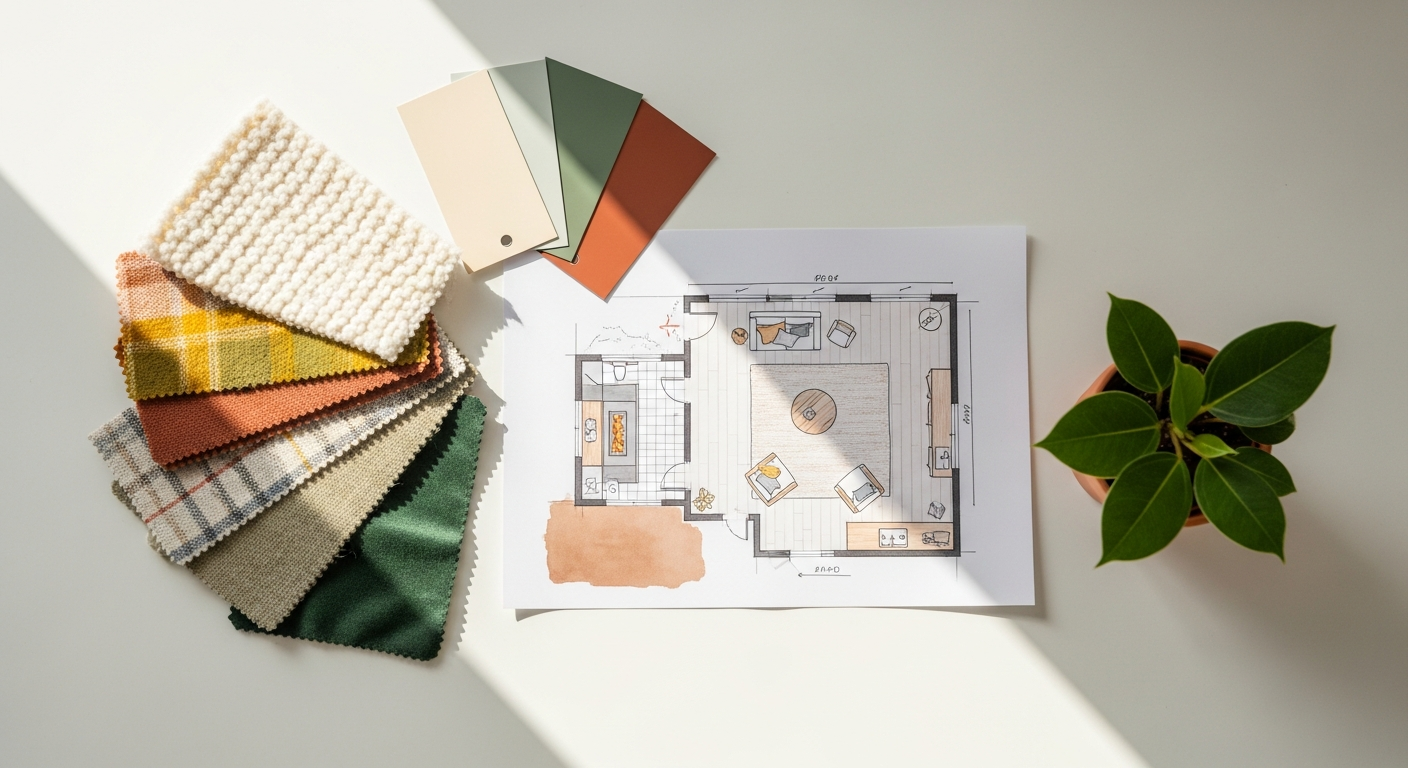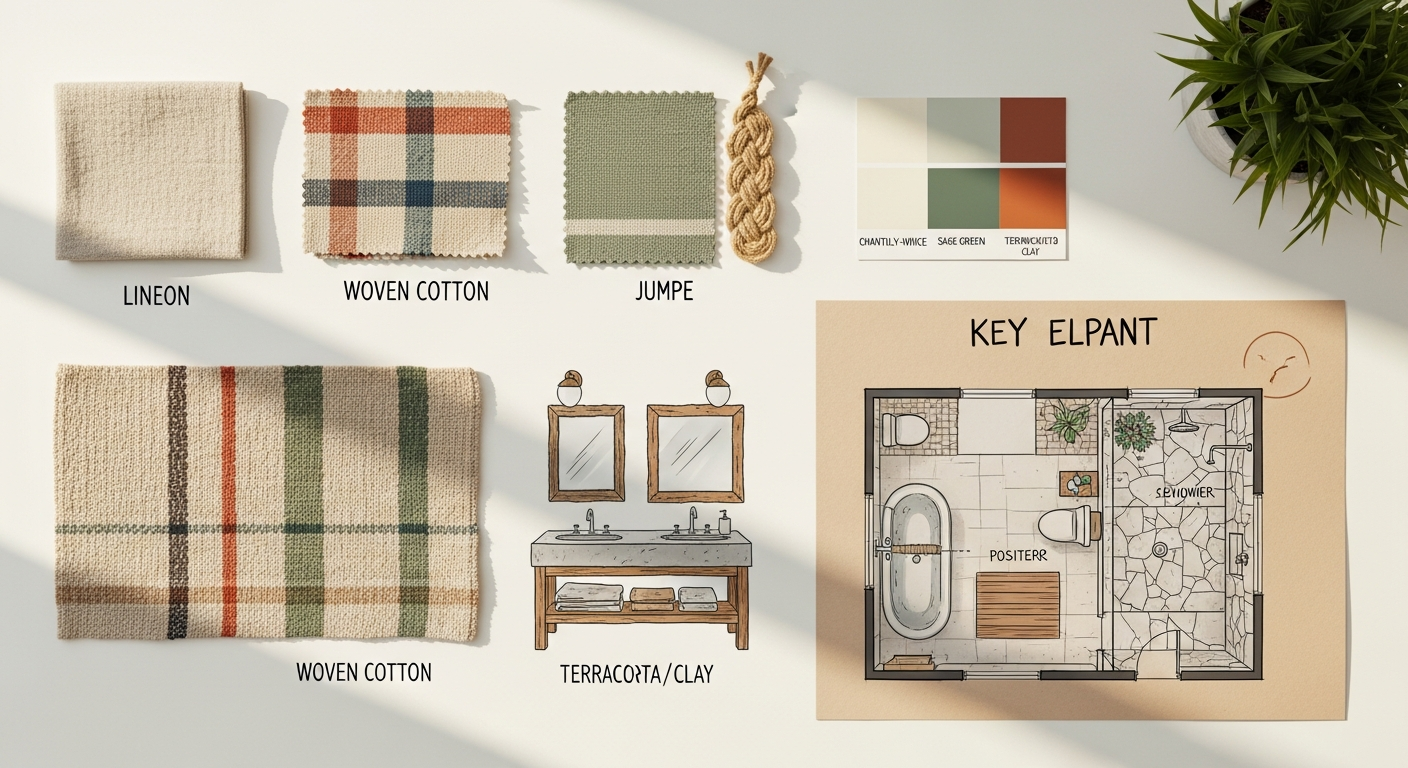
The Essence of Rustic: Defining Your Vision
Before you dive into selecting materials and fixtures, it’s crucial to truly understand what “rustic” means to you. The term itself is broad, encompassing a delightful spectrum of styles, each with its own unique flavor. Are you drawn to the raw, rugged beauty of a mountain cabin, with its hefty timbers and stone accents? Or perhaps the softer, more refined charm of a modern farmhouse, where vintage finds meet clean lines and a brighter palette? There’s also the industrial rustic aesthetic, blending weathered wood with exposed metal and utilitarian elements, or the cozy, eclectic feel of a country rustic space filled with handcrafted items and heirloom pieces.
Defining your specific rustic vision is the foundational step. It’s about more than just aesthetics; it’s about the feeling you want to evoke. Do you envision a serene spa-like environment, or a robust, lived-in space? Consider the existing architecture of your home. Does it lend itself naturally to a particular rustic interpretation? A clear vision will act as your compass, guiding every design decision, from the grand architectural elements down to the smallest decorative accent. It ensures cohesion and authenticity, preventing your space from feeling disjointed. Take inspiration from nature – think about the textures of aged wood, the solidity of stone, the warmth of earthy tones, and the simple elegance of handcrafted items. This initial introspection will empower you to create a bathroom that is not just rustic in style, but truly embodies the enduring spirit of natural beauty and comfort, making it a genuine reflection of your personal taste and lifestyle for years to come. In 2026, authenticity and personal expression remain at the forefront of interior design, and a well-defined rustic vision perfectly aligns with this ethos.
Foundation First: Walls, Floors, and Fixtures
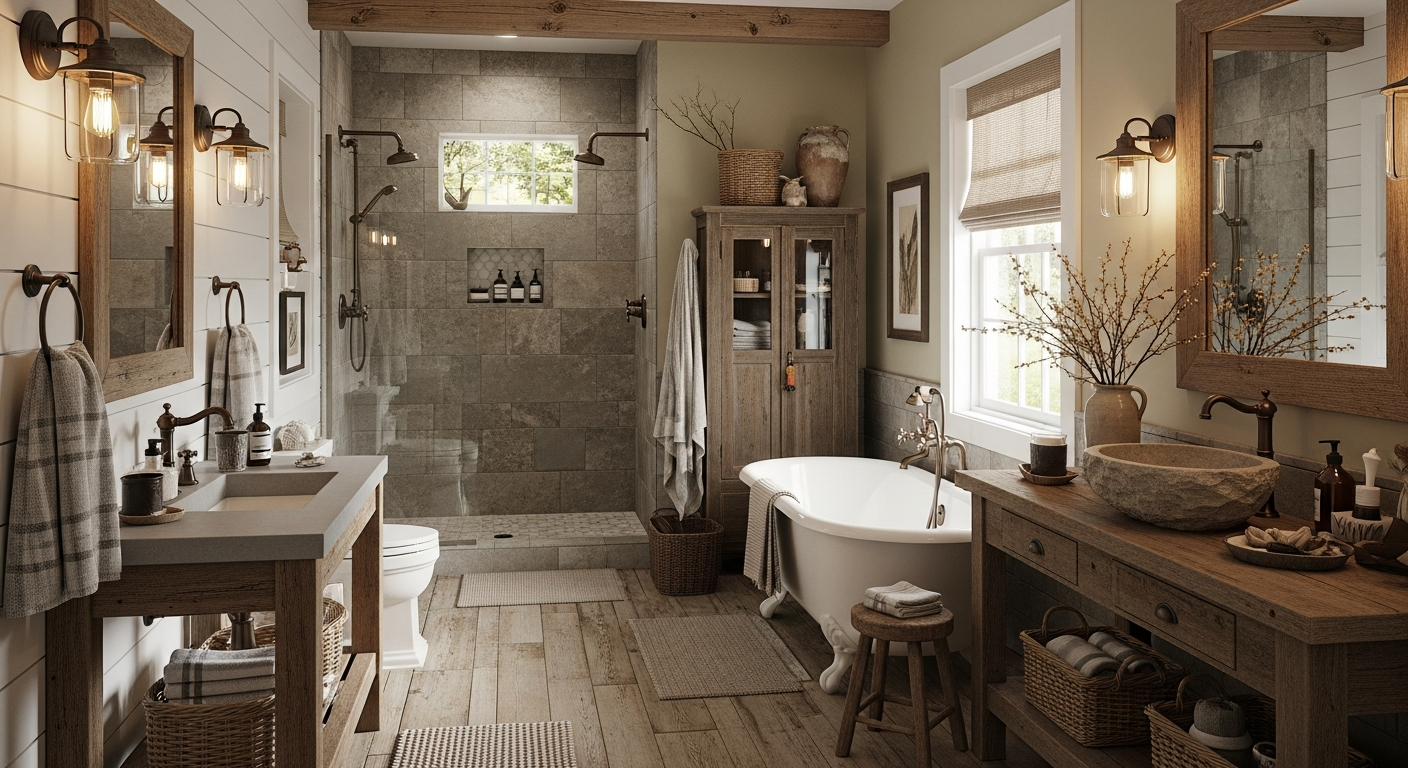
With your rustic vision firmly in mind, it’s time to lay the groundwork – literally and figuratively. The foundational elements of your bathroom, namely the walls, floors, and primary fixtures, are paramount in establishing the rustic aesthetic. These are the large-scale decisions that will define the character and mood of the space, so choose wisely and with long-term durability in mind.
Walls: Textural Backdrops
The walls in a rustic bathroom are more than just partitions; they are canvases for texture and warmth. Shiplap, a timeless choice, offers clean lines with a subtle country charm, especially when painted in a soft white or cream. For a more dramatic and authentic rustic statement, consider reclaimed wood planks. These can be installed horizontally or vertically, bringing instant character and a sense of history. The natural imperfections, knots, and variations in tone of reclaimed wood are what make it so appealing. Alternatively, natural stone veneers, such as slate or river rock, can create a stunning accent wall, particularly around a shower or vanity, evoking the ruggedness of a mountain retreat. If wood or stone feels too intense for your space, consider textured plaster or lime wash paints in earthy tones – think warm greys, sage greens, deep browns, or creamy off-whites. These finishes provide depth and an organic, hand-hewn feel without overwhelming the senses, offering a softer rustic touch that allows other elements to shine.
Floors: Grounding Your Design
The flooring you choose is crucial for both aesthetics and practicality. For a true rustic look, large-format porcelain tiles designed to mimic distressed wood planks or natural stone are an excellent choice. They offer the visual appeal of real wood or stone with superior water resistance and durability, which is essential in a bathroom environment. If you’re set on genuine wood, ensure it’s an engineered hardwood specifically rated for high-moisture areas and properly sealed. Alternatively, natural stone tiles like slate, travertine, or even a honed marble can provide a robust, earthy foundation. Pebble mosaic tiles in the shower area can create an incredible tactile experience and a strong connection to nature. For a more industrial rustic edge, a polished concrete floor can offer a sleek yet unrefined base, especially when contrasted with warmer wood elements.
Fixtures: The Heart of the Bathroom
Your primary fixtures – the tub, shower, sink, and toilet – are functional necessities that can also be powerful design statements. For a quintessential rustic feel, a freestanding clawfoot tub in cast iron, perhaps painted on the exterior, is a classic. For a more luxurious and authentic natural touch, consider a copper or stone soaking tub, which becomes an undeniable focal point. For sinks, an apron-front farmhouse sink in ceramic or fireclay is iconic, while vessel sinks made from carved stone, hammered copper, or even petrified wood offer unique, organic appeal. Faucets and hardware are where metals come into play. Oil-rubbed bronze, matte black, or brushed nickel are ideal choices, as they complement natural materials beautifully and exude an aged, artisanal quality. Avoid overly polished chrome. For the shower, consider a rain shower head combined with a handheld sprayer, and if possible, an exposed pipe shower system for an authentic vintage or industrial rustic vibe. Even the toilet can contribute; choose a simple, classic design that doesn’t detract from the overall aesthetic, perhaps with a top-flush mechanism that feels less overtly modern. Integrating these foundational elements with careful consideration for both style and long-term performance will establish a robust and beautiful rustic base for your bathroom.
Material Matters: Embracing Natural Textures
Wood: The Soul of Rustic
Wood is arguably the most defining element of rustic style. Think beyond just floors and walls; incorporate it in unexpected ways. Reclaimed wood is king here – its weathered patina, nail holes, and natural imperfections tell a story and add unparalleled character. Use it for a substantial vanity top, open shelving, a mirror frame, or even a statement piece like a live-edge bench. Different wood types offer varying aesthetics: rugged barn wood for a true farmhouse feel, warm oak for a more traditional rustic, or even lighter pines for a Scandinavian-inspired rustic. The key is to embrace its natural state, perhaps with a matte finish or a simple stain that enhances its grain rather than concealing it. This appreciation for natural wood also extends to understanding the importance of protecting outdoor elements; much like you’d consider 3 reasons to cover a pool or outdoor spa to preserve their longevity and beauty, ensuring proper sealing and care for indoor wood elements is paramount for their enduring appeal in a moisture-rich bathroom environment.
Stone: Earthy Elegance
From rugged river rocks to refined marble, stone brings an undeniable connection to the earth. Beyond flooring and accent walls, consider a natural stone countertop for your vanity – perhaps a honed granite, slate, or a less polished marble for a softer, more organic feel. A stone vessel sink can be a magnificent focal point. Small river pebbles can be used as an accent border or even as the base of a shower pan, providing a unique textural experience underfoot. The cool, solid presence of stone perfectly balances the warmth of wood.
Metal: Industrial Edge & Vintage Charm
Metals add an essential layer of character and can steer your rustic aesthetic towards a more industrial or vintage direction. Wrought iron is perfect for light fixtures, towel racks, or decorative shelving brackets, providing a handcrafted, substantial feel. Copper, with its warm, evolving patina, is exquisite for tubs, sinks, or even accent pieces like soap dishes or mirror frames. Aged brass or oil-rubbed bronze are ideal for faucets, showerheads, and cabinet hardware, offering a timeless, elegant rusticity. Galvanized steel buckets can be repurposed as storage, adding a touch of utilitarian charm. The key is to choose metals with a distressed or matte finish, avoiding anything too shiny or contemporary.
Textiles: Softness and Warmth
To balance the hard surfaces of wood, stone, and metal, introduce textiles that are rich in texture and natural fibers. Thick, absorbent cotton towels in earthy tones (sage green, cream, taupe, charcoal) or subtle patterns are a must. A woven bathmat made from jute, sisal, or wool adds warmth underfoot and prevents slipping. Consider a linen or cotton shower curtain, perhaps with a subtle stripe or a simple, unadorned look, allowing it to drape elegantly. Don’t underestimate the power of a small, distressed oriental rug or a sheepskin throw to add an unexpected layer of luxury and softness to your rustic sanctuary.
The beauty of rustic design lies in this interplay of diverse, natural materials. Each one contributes its unique texture, color, and story, building a rich tapestry that feels authentic, inviting, and deeply connected to nature.
Lighting the Way: Warmth and Ambiance
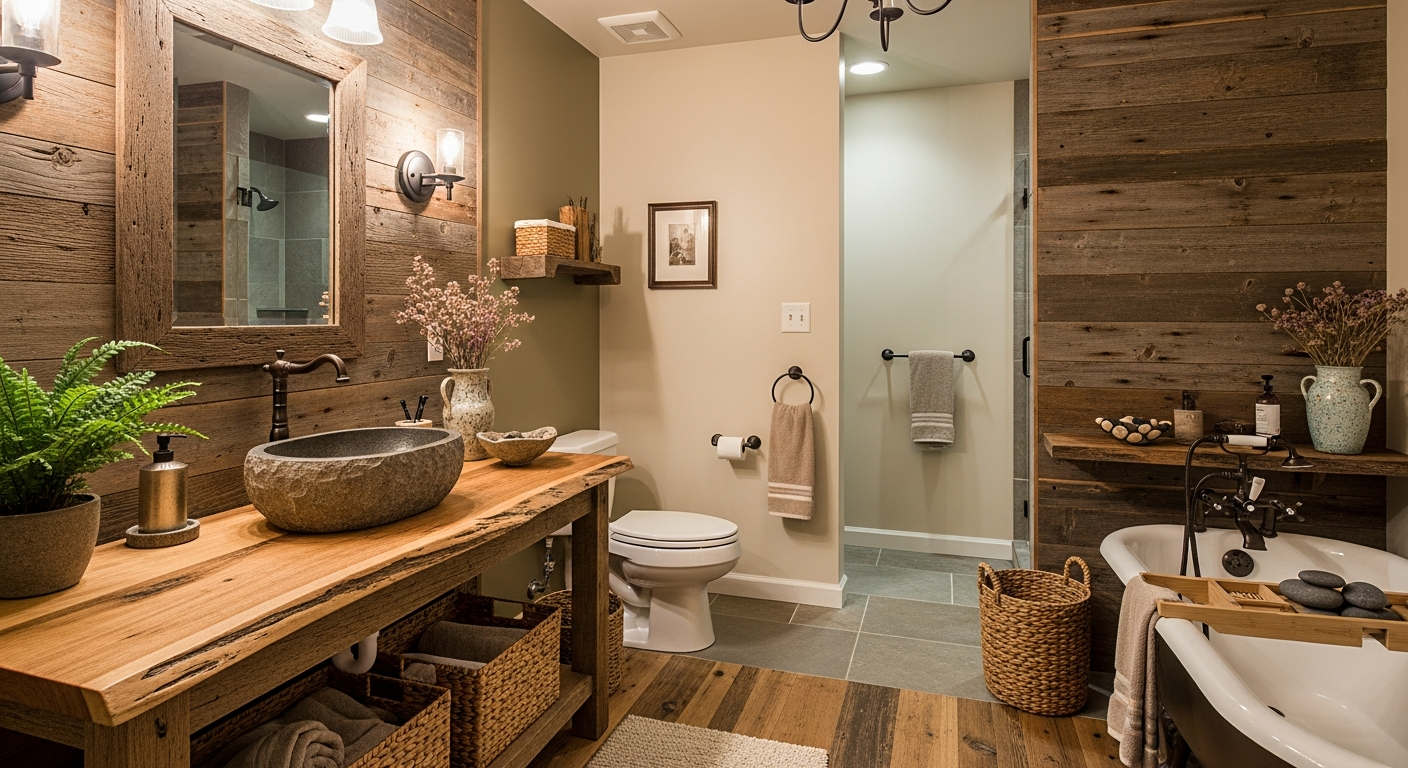
Lighting is an often-underestimated element that holds immense power in shaping the mood and feel of any space, and in a rustic bathroom, it’s absolutely critical for achieving that coveted warm, inviting ambiance. It’s not just about illumination; it’s about creating layers of light that highlight textures, cast soft shadows, and make the room feel like a cozy, natural retreat.
Maximize Natural Light
First and foremost, embrace any natural light sources your bathroom offers. Large windows, skylights, or even a glass block wall can flood the space with daylight, making it feel airy and connected to the outdoors. If privacy is a concern, consider frosted glass, sheer linen curtains, or simple wooden shutters that can be opened to let light in when desired. Natural light emphasizes the genuine textures of wood and stone, bringing them to life.
Warm-Toned Artificial Light
When it comes to artificial lighting, the color temperature is paramount. Opt for warm-toned bulbs, typically in the 2700K-3000K range. These emit a soft, yellowish glow that mimics natural candlelight or an old incandescent bulb, instantly creating a cozy and inviting atmosphere. Harsh, cool-toned (blueish) light can completely undermine the rustic aesthetic, making the space feel sterile and unwelcoming.
Layered Lighting Design
A truly effective lighting scheme involves layering different types of fixtures:
- Ambient Lighting: This is the general illumination for the room. A wrought iron chandelier or a large pendant with an Edison bulb can serve as a stunning central fixture, casting a warm glow. For a more subtle approach, recessed lighting with dimmers can provide overall light without being visually intrusive.
- Task Lighting: Essential around the vanity mirror for grooming. Barn-style sconces with clear glass shades or industrial-inspired fixtures mounted on either side of the mirror (or above it, if the mirror is wide) provide direct, shadow-free illumination. Choose fixtures with aged metal finishes like oil-rubbed bronze or matte black.
- Accent Lighting: This is where you add drama and highlight specific features. Uplighting a textured stone wall, placing small spotlights on a piece of rustic art, or even stringing delicate fairy lights around a wooden beam can add depth and visual interest.
- Mood Lighting: This layer is all about creating atmosphere. Dimmers on all your light sources are non-negotiable for a rustic bathroom. Beyond electrical fixtures, incorporate candles – real pillar candles in hurricane lanterns, or even flameless LED candles for safety and convenience – to add a flickering warmth that is inherently rustic and romantic. A small table lamp with a linen shade on a vanity counter can also contribute to a soft, inviting glow.
Consider the materials of your light fixtures as well. Beyond wrought iron and aged metals, look for fixtures incorporating wood, hammered copper, or even repurposed elements like old glass jars or cages. The aim is for light sources that feel handcrafted, substantial, and in harmony with the natural materials throughout the rest of your rustic bathroom. Thoughtful lighting can truly transform a space from merely functional to a captivating, warm, and utterly rustic sanctuary.
Furniture & Storage: Functional Rustic Charm
In a rustic bathroom, furniture and storage pieces are not just utilitarian; they are integral to the aesthetic, contributing significantly to the overall charm and character. Each piece should feel like it has a story, showcasing natural materials and robust construction. The key is to blend functionality with an authentic, handcrafted appeal, ensuring everything serves a purpose while enhancing the rustic narrative.
The Vanity: A Rustic Centerpiece
The vanity is often the focal point of the bathroom, and in a rustic setting, it should exude substantiality and natural beauty.
- Reclaimed Wood Vanities: This is perhaps the most classic choice. A vanity crafted from reclaimed barn wood, distressed timber, or even salvaged pallet wood immediately anchors the room. The natural variations, knots, and imperfections of the wood become desirable features.
- Repurposed Furniture: For a truly unique and eco-friendly approach, consider repurposing an antique dresser, an old console table, or a vintage workbench into a vanity. This adds immense character and a sense of history. Ensure the piece is structurally sound and properly sealed against moisture, and that plumbing can be adequately integrated.
- Countertops: Pair your rustic base with a countertop that complements the natural aesthetic. Options include honed granite, slate, concrete, or even a live-edge wood slab (properly sealed, of course). A simple white ceramic or stone vessel sink can sit atop, or an integrated farmhouse-style sink can be seamlessly incorporated.
Open Shelving: Displaying with Intention
Open shelving is a hallmark of rustic design, offering both practical storage and an opportunity for decorative display.
- Distressed Wood Shelves: Thick, solid planks of reclaimed or distressed wood, supported by wrought iron brackets or industrial pipes, are perfect. These can hold neatly folded towels, artisan soaps, potted plants, and curated rustic decor.
- Built-in Niches: If your shower or wall allows, consider built-in niches lined with stone or wood for storing toiletries, keeping the space clutter-free yet accessible.
Creative Storage Solutions
Beyond the vanity and open shelves, inject rustic charm into your storage with creative and characterful pieces.
- Woven Baskets: Jute, wicker, or rattan baskets are excellent for storing extra towels, toilet paper, or laundry. They add texture and an organic feel.
- Antique Trunks/Chests: A vintage wooden trunk or an old metal chest can serve as a stylish storage solution for bulkier items, while also functioning as a bench or a decorative element.
- Wooden Crates: Stacked or wall-mounted wooden crates can provide versatile and charming storage for smaller items.
- Ladder Shelves: A rustic wooden ladder can be leaned against a wall and used to hang towels or small baskets, offering vertical storage with visual interest.
Seating & Accents
If space allows, a small piece of furniture can elevate the comfort and aesthetic.
- Wooden Stool or Bench: A simple, sturdy wooden stool or bench, perhaps with a live-edge top, can be both functional (for sitting or holding towels) and decorative.
- Repurposed Ladder: As mentioned, a decorative wooden ladder can also serve as a towel rack, leaning casually against a wall.
When selecting furniture and storage, prioritize pieces that are well-made, durable, and showcase the beauty of natural materials. Avoid anything overly sleek, glossy, or mass-produced. The goal is to create a sense of history and warmth, where every piece feels intentional and contributes to the overall narrative of a cozy, authentic rustic retreat.
Accessorize with Intention: The Finishing Touches
Once the larger elements are in place, it’s the thoughtful selection of accessories that truly brings your rustic bathroom to life, infusing it with personality and warmth. These are the details that transform a well-designed space into a deeply personal sanctuary, telling your story and completing the rustic narrative. In 2026, curated, meaningful accessories are key to creating spaces that feel both stylish and authentic.
Mirrors: Frames with Character
Your mirror is more than just a reflective surface; it’s an opportunity to reinforce the rustic aesthetic.
- Reclaimed Wood Frames: A large mirror framed in distressed, reclaimed wood (barn wood, driftwood, or even an antique door repurposed) instantly adds gravitas and natural texture.
- Metal Frames: Consider a mirror with a wrought iron, hammered copper, or aged bronze frame for an industrial rustic or vintage feel.
- Unique Shapes: While rectangular is common, an oval or round mirror can soften the space, especially if framed in a rustic material.
Art & Wall Decor: Personal Expressions
Art should complement the earthy, natural vibe of the bathroom.
- Botanical Prints: Framed prints of antique botanicals, ferns, or local flora connect to nature.
- Landscape Paintings: Simple, serene landscape art, perhaps in muted tones, can evoke a sense of calm and the outdoors.
- Rustic Signs: Hand-painted or vintage-style wooden signs with simple phrases or family names can add a touch of farmhouse charm.
- Textile Wall Hangings: A woven tapestry or a macrame piece can introduce softness and texture.
Greenery: Bringing Life Indoors
Plants are essential for any rustic space, softening hard lines and bringing a fresh, living element indoors.
- Potted Plants: Choose plants that thrive in high-humidity environments, such as ferns (Boston fern, staghorn fern), snake plants, ZZ plants, or even small orchids. Place them in ceramic pots, terra cotta, or rustic metal containers.
- Dried Arrangements: For a maintenance-free option, dried floral arrangements, bundles of lavender, or cotton stems in a vintage vase add a timeless country charm.
Towels & Textiles: Plush Comfort
Elevate everyday essentials into decorative elements.
- Textured Towels: Invest in thick, plush towels in natural fibers like cotton or linen, in colors that align with your rustic palette – creams, grays, muted greens, deep blues, or warm browns. Display them neatly folded or rolled in baskets or on open shelves.
- Bath Mats & Rugs: A woven jute, sisal, or wool rug adds warmth and texture underfoot. A small, distressed oriental rug can introduce an unexpected layer of elegance and color.
Small Decor & Functional Accents
These are the little details that tie everything together.
- Vintage Finds: Scour antique shops or flea markets for vintage glass bottles, ceramic pitchers, old scales, wooden bowls, or distressed metal containers. These can hold soaps, cotton balls, or simply serve as decorative objects.
- Artisan Soaps & Dispensers: Choose natural, handmade soaps or use ceramic or glass dispensers for liquid soap, avoiding plastic.
- Candles: Pillar candles in rustic lanterns or on wooden trays add instant ambiance and a soft glow.
- Hooks & Hardware: Even small details like coat hooks or toilet paper holders can contribute. Opt for cast iron, wrought iron, or distressed metal options.
Remember, the goal is not to clutter, but to curate. Each accessory should feel intentional, adding to the story and authenticity of your rustic bathroom, creating a space that feels both beautifully designed and deeply comforting.
Budget & Maintenance: Sustaining Your Rustic Retreat
Creating a rustic bathroom is an investment, not just in aesthetics, but in creating a durable, long-lasting space. Understanding the financial implications and the ongoing care required for natural materials is crucial for enjoying your rustic retreat for years to come. In 2026, thoughtful budgeting and proactive maintenance are cornerstones of responsible homeownership.
Budgeting for Rustic Charm: Where to Splurge, Where to Save
Achieving a high-end rustic look doesn’t necessarily mean breaking the bank, but it does require strategic spending.
- Splurge on Foundations: Invest in quality materials for your walls, floors, and primary fixtures. Durable, properly sealed natural stone, high-quality reclaimed wood (especially for structural elements or vanities), and robust plumbing fixtures will stand the test of time and maintain their aesthetic appeal. These are the elements that are difficult and expensive to change later. This ties into why some home repairs are so expensive – skimping on initial material quality or installation can lead to costly structural or water damage repairs down the line.
- DIY & Upcycling: This is where significant savings can be made. Repurposing an old dresser into a vanity, building simple open shelves from salvaged wood, or creating your own rustic mirror frame are fantastic ways to add authentic character without custom prices. Learning basic carpentry or painting skills can empower you to tackle these projects.
- Accessorize Smartly: While unique vintage finds can be pricier, mixing them with budget-friendly textiles, simple potted plants, and DIY decor can create a rich, layered look without overspending. Flea markets, antique stores, and even online marketplaces are great sources for unique, affordable rustic accessories.
Maintenance: Preserving Natural Beauty
Natural materials, while beautiful, often require specific care to maintain their integrity and appearance in a high-moisture environment like a bathroom. Neglecting these aspects can lead to damage, which is one of the things you should never neglect in your home.
- Wood Protection: Any exposed wood in your bathroom, especially near sinks, showers, or tubs, must be properly sealed. Use marine-grade sealants or polyurethane finishes that are waterproof and mildew-resistant. Regularly check for signs of wear and reapply sealants as needed. Promptly wipe up any standing water on wooden surfaces to prevent warping or water damage.
- Stone Care: Natural stone (granite, marble, slate, travertine) is porous and susceptible to staining from oils, soaps, and acidic cleaners. It needs to be sealed upon installation and then resealed periodically (typically every 1-3 years, depending on the stone and traffic). Use pH-neutral cleaners specifically designed for natural stone, and avoid harsh chemicals that can strip the sealant or etch the surface.
- Metal Finishes: Oil-rubbed bronze, matte black, and copper finishes are designed to age and develop a patina over time, which enhances their rustic appeal. However, they still need gentle cleaning. Avoid abrasive cleaners or scouring pads that can scratch or remove the finish. A soft cloth with mild soap and water is usually sufficient. For copper, you might periodically polish it if you prefer a brighter look, or allow it to naturally darken.
- Ventilation is Key: Proper ventilation is paramount in any bathroom, but especially in one featuring natural materials. A good exhaust fan that vents to the outside is crucial for removing moisture and preventing mold and mildew growth, which can damage wood, grout, and plaster. Ensure the fan is adequately sized for your bathroom and used consistently during and after showers.
- Regular Cleaning: Beyond specific material care, general cleanliness is vital. Regular cleaning prevents soap scum buildup, mildew, and grime, which can dull the natural beauty of your rustic elements.
By making smart budget decisions and committing to consistent, appropriate maintenance, your rustic bathroom will not only look stunning but will also remain a functional, beautiful, and durable retreat for many years to come, a testament to thoughtful design and responsible homeownership.
FAQ Section: Your Rustic Bathroom Questions Answered
Can a small bathroom feel rustic without being cluttered?
Absolutely! The key is intentional design and smart use of space. Focus on a few key rustic elements rather than trying to incorporate everything. Use light-colored natural materials like distressed white shiplap or pale wood for walls to open up the space. Opt for a floating reclaimed wood vanity or a pedestal sink to maximize floor area. Incorporate open shelving with minimalist decor and use woven baskets for concealed storage. Good lighting and a large mirror will also help a small rustic bathroom feel expansive and inviting rather than cluttered.
What’s the difference between rustic and farmhouse style?
While often overlapping, rustic and farmhouse styles have distinct nuances. Rustic is broader, focusing on raw, natural, and unrefined materials (heavy wood beams, natural stone, wrought iron) with an emphasis on craftsmanship and connection to nature, often leaning towards a cabin or lodge aesthetic. Farmhouse, especially modern farmhouse, tends to be lighter, brighter, and more polished. It combines rustic elements (shiplap, barn doors) with cleaner lines, white and neutral palettes, and often more vintage or industrial touches, evoking a more curated country living feel.
How do I incorporate modern elements into a rustic bathroom?
Modern rustic, or “rustern,” is a popular and stunning blend. To achieve this, balance the raw with the refined. Pair a reclaimed wood vanity with a sleek, minimalist vessel sink. Use modern, frameless glass for your shower enclosure to contrast with a stone or wood accent wall. Choose matte black or brushed nickel fixtures for a contemporary edge that still complements rustic materials. Introduce simple, geometric patterns in textiles or tiles. The goal is to create a dialogue between the old and new, ensuring neither style overwhelms the other but rather enhances it.
What are the best colors for a rustic bathroom?
Rustic bathrooms thrive on colors inspired by nature. Earthy tones are paramount: think warm whites, creamy off-whites, various shades of gray (from light silver to deep charcoal), muted greens (sage, olive), deep browns, and natural wood tones. Accents can come from rich blues (denim, navy), terracotta, or even subtle pops of burnt orange or deep red, often found in textiles or vintage pieces. The palette should feel grounding, soothing, and reflective of the outdoors.
Are rustic bathrooms difficult to maintain?
Not necessarily, but they do require specific considerations due to the prevalence of natural materials. Wood needs proper sealing and protection from moisture, and natural stone requires regular sealing and pH-neutral cleaners to prevent staining and etching. Good ventilation is crucial to prevent mold and mildew. While these materials might require a bit more attention than synthetic alternatives, their durability and timeless beauty often make the maintenance worthwhile. With proper care, a rustic bathroom can be incredibly long-lasting and retain its charm for decades.
Where can I find authentic rustic decor and materials?
The best sources for authentic rustic decor and materials are often places that celebrate the unique and the aged.
- Reclamation Yards: For reclaimed wood, antique doors, or salvaged architectural elements.
- Antique Shops & Flea Markets: Treasure troves for vintage mirrors, old bottles, ceramic pitchers, metal bins, and unique furniture pieces to repurpose.
- Local Artisans & Craftsmen: For handcrafted vanities, custom metalwork, or unique pottery.
- Specialty Stone & Tile Suppliers: For natural stone flooring, accent tiles, or vessel sinks.
- Online Marketplaces: Websites like Etsy (for handmade items), eBay (for vintage finds), and even local classifieds can yield unique pieces.
The key is to seek out items with character and a story, rather than mass-produced replicas, to ensure your rustic bathroom feels genuinely authentic.
Recommended Resources
Explore How To Validate Your Startup Idea Before Building for additional insights.
Check out How To Use Chatgpt For Productivity At Work on Bookmark Sharer for a deeper dive.