The Unseen Layers: Labor, Expertise, and the Premium for Skilled Craftsmanship
One of the most significant contributors to the cost of home repairs lies in the labor itself, particularly the specialized expertise required to diagnose and fix complex issues. It’s easy to overlook the years of training, certifications, and hands-on experience that a master plumber, an accredited electrician, or a seasoned carpenter brings to your doorstep. These aren’t just individuals performing a task; they are problem-solvers who understand intricate systems, adhere to stringent safety codes, and often possess the creative acumen to integrate repairs seamlessly into your existing design aesthetic.
Consider the modern home of 2026: it’s a tapestry of interconnected systems, from smart HVAC controls and integrated security to advanced plumbing and sophisticated electrical grids. When a component fails, it’s rarely a simple fix. A flickering light might not just be a faulty bulb; it could signal an overloaded circuit, a loose connection in the panel, or even a wiring issue that requires meticulous investigation. An experienced electrician doesn’t just replace a switch; they diagnose the root cause, ensuring the safety and longevity of your entire electrical system. This diagnostic phase, often invisible to the homeowner, is invaluable and time-consuming, requiring specialized tools and deep knowledge.
Furthermore, the demand for skilled tradespeople often outstrips supply, especially in rapidly growing areas or for highly specialized tasks. This imbalance naturally drives up hourly rates. Beyond the hourly wage, these professionals also factor in their business overheads: insurance, licensing, continuing education, specialized tools, vehicle maintenance, and administrative support. When you hire a reputable contractor, you’re not just paying for their time on-site; you’re investing in their reliability, their guarantee of quality work, and their ability to stand behind their repairs. A cheap fix might save money initially, but if it leads to recurring problems or, worse, safety hazards, the true cost can escalate exponentially. For instance, addressing a persistent leak with a quick patch rather than a comprehensive plumbing repair could lead to extensive water damage, mold growth, and structural issues down the line – a far more expensive scenario than the initial, proper fix.
The complexity of integrating repairs into an existing design scheme also adds to labor costs. For interior design enthusiasts, the aesthetic impact of a repair is paramount. A skilled technician understands that patching drywall isn’t enough; the repair must be textured, painted, and seamlessly blended to disappear into the wall. Replacing a section of flooring requires careful selection of matching materials and precise installation to avoid an obvious seam. This attention to detail, while enhancing the overall beauty and value of your home, demands a higher level of craftsmanship and, consequently, a higher labor rate. It’s a reflection of the commitment to preserving your home’s curated look and feel.
Finally, the time invested isn’t solely about the actual repair. It includes travel to and from your home, time spent procuring specific parts, and the often-underestimated time spent on administrative tasks like scheduling, invoicing, and follow-ups. All these elements contribute to the comprehensive cost of labor, underscoring that the price tag reflects a holistic service rather than just a few hours with a wrench or a screwdriver.
Materials Matter: The True Cost of Quality, Scarcity, and Specialization
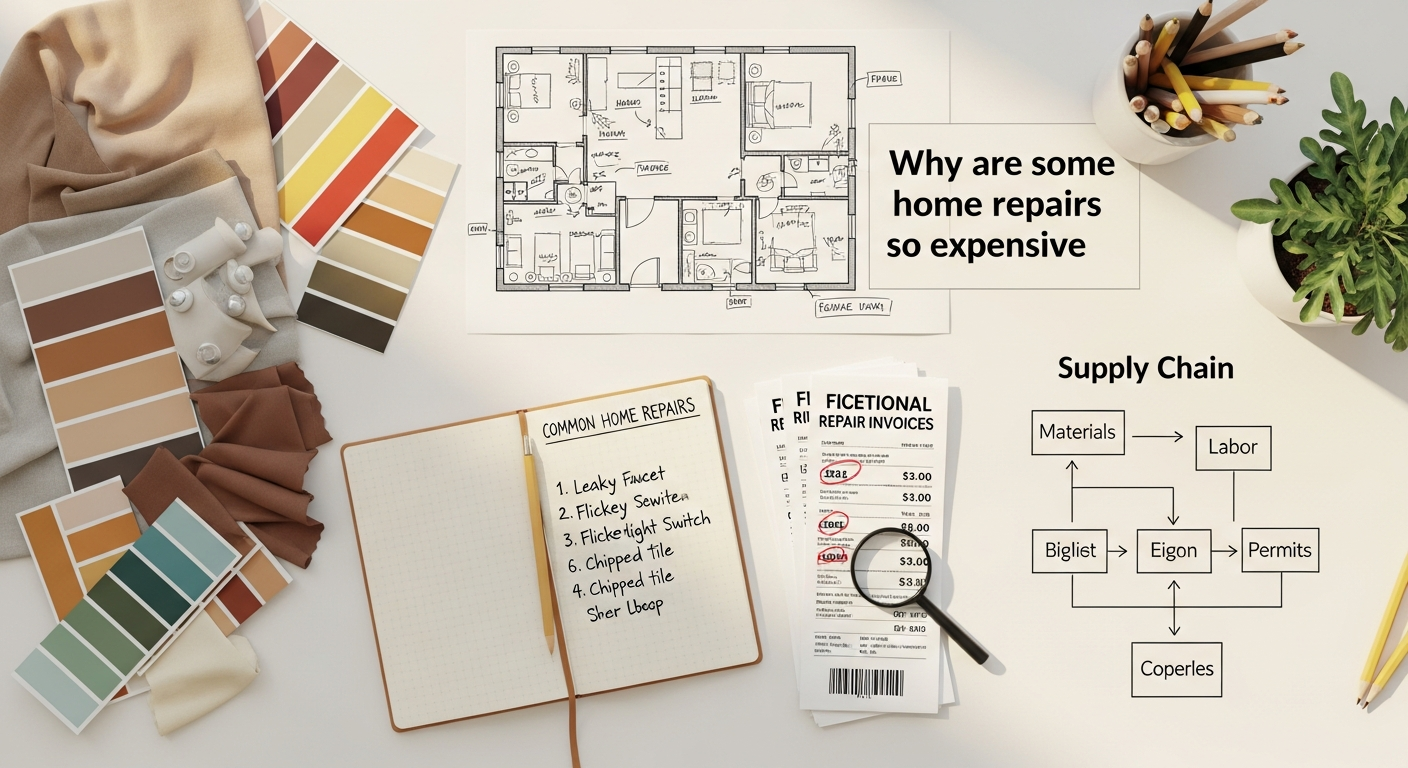
Beyond labor, the cost of materials forms a substantial part of any home repair bill. This isn’t just about the raw components; it encompasses the quality, durability, aesthetic appeal, and often, the specialized nature of what’s needed for a lasting and visually pleasing fix. In the world of interior design and home aesthetics, material choices are paramount, and this principle extends directly to repairs.
Opting for high-quality materials, while sometimes a higher upfront investment, often translates into significant long-term savings. For instance, when replacing a failing water heater, choosing an energy-efficient model with a longer warranty and better build quality, even if it costs more than a basic unit, can prevent premature failure and reduce utility bills for years to come. This aligns perfectly with the philosophy of thoughtful home investment, where initial costs are balanced against future performance and longevity.
Consider plumbing components: cheap plastic pipes might seem like a bargain during a quick fix, but they are prone to cracking, leaking, and degradation over time, leading to recurring repair needs. High-grade copper or PEX tubing, though more expensive, offers superior durability, resistance to corrosion, and a much longer lifespan. Similarly, for roofing repairs, investing in high-quality shingles or tiles that match your home’s aesthetic and are designed to withstand local weather conditions can prevent more extensive and costly roof replacements in the future.
The global supply chain in 2026 continues to present its own set of challenges, impacting the availability and pricing of various materials. Lumber, metals, plastics, and specialized electronic components can experience price fluctuations due to geopolitical events, natural disasters, or shifts in manufacturing. When a specific part for an older appliance or a unique architectural element needs to be sourced, its scarcity can drive up costs significantly. Custom-fabricated parts, essential for maintaining the unique character of a historic home or a bespoke design, also command a premium due to the specialized craftsmanship involved.
This is where the concept of smart home investments truly shines. Take, for example, the benefits of investing in Halo 5 water filtration for your home. While an initial expenditure, a robust water filtration system protects all your plumbing fixtures, appliances (like dishwashers, washing machines, and water heaters), and even your skin and hair from the damaging effects of hard water and contaminants. Without it, mineral buildup can corrode pipes, reduce appliance efficiency, and lead to premature failure, necessitating costly repairs and replacements of those very items. A Halo 5 system, by preventing these issues, exemplifies how a higher-quality material or system installation proactively reduces future repair expenses, maintaining both functionality and the aesthetic integrity of your home’s surfaces and fixtures.
Furthermore, for repairs that affect the visual appeal of your home, the cost of specialized finishes, custom-matched paints, or unique flooring materials can be substantial. Interior design enthusiasts understand that consistency and quality in materials are non-negotiable for achieving a cohesive and elevated look. These aren’t just functional repairs; they are aesthetic investments that preserve or enhance your home’s beauty and market value. The desire for a seamless integration means paying for materials that perfectly complement your existing decor, ensuring the repair isn’t an eyesore but an invisible restoration.
The Hidden Costs: Diagnostics, Permits, and Unexpected Discoveries
Diagnostic Fees: The Price of Knowing. Before a repair can even begin, the problem must be accurately identified. This diagnostic phase is a critical, often underestimated, component of the overall cost. A skilled technician doesn’t just guess; they use specialized tools, their extensive knowledge, and systematic troubleshooting to pinpoint the exact issue. For example, a persistent leak might require thermal imaging cameras to trace water paths behind walls, or an intermittent electrical fault might need sophisticated circuit testers to identify a loose connection hidden within conduit. This diagnostic expertise prevents costly trial-and-error repairs and ensures that the right problem is fixed the first time. Charging for this diagnostic time reflects the value of this specialized knowledge and equipment.
Permits and Inspections: Ensuring Safety and Compliance. Many significant home repairs and renovations, particularly those involving structural changes, major electrical work, or extensive plumbing, require permits from your local municipality. These permits aren’t just bureaucratic hurdles; they are mechanisms to ensure that the work is performed safely, adheres to building codes, and meets established standards. The cost of permits covers the administrative processing and, crucially, the necessary inspections by qualified building officials at various stages of the project. These inspections verify that the work is up to code, protecting you from shoddy workmanship, potential safety hazards, and ensuring your home remains insurable and retains its market value. Skipping permits might seem like a cost-saving measure, but it can lead to hefty fines, difficulty selling your home, and even the forced demolition of unpermitted work, making it a far more expensive gamble in the long run.
Unexpected Discoveries: The Unforeseen Challenges. Perhaps the most frustrating hidden cost comes from the “unexpected discovery.” You open up a wall to fix a minor plumbing leak, only to find extensive mold growth, termite damage, or outdated, unsafe electrical wiring. What started as a small repair can quickly escalate into a much larger, more complex, and thus more expensive project. This is particularly common in older homes, where years of hidden issues can accumulate. Contractors often include a contingency in their estimates for such surprises, but the full extent might not be known until the work begins. Dealing with these unforeseen issues properly is vital. Addressing mold immediately, for instance, prevents health hazards and further structural damage. Upgrading old wiring ensures the safety of your home in 2026’s tech-heavy environment. While these discoveries add to the bill, they are necessary investments in the safety, health, and longevity of your home.
For those embarking on design-focused renovations, understanding these hidden costs is paramount. When planning a custom kitchen or bathroom, for instance, it’s wise to budget for potential surprises behind walls or under floors. This foresight allows you to maintain your aesthetic vision without compromising on the foundational integrity of your home. It’s a pragmatic approach that embraces the full scope of a project, rather than being blindsided by elements that, while hidden, are integral to a successful and safe outcome.
Urgency, Access, and the Premium for Expediency
The timing and circumstances surrounding a home repair can dramatically influence its cost. When an issue demands immediate attention – a burst pipe, a complete power outage, or a compromised roof during a storm – the urgency alone can drive up prices. This is not merely an arbitrary surcharge; it reflects the premium associated with immediate availability, after-hours work, and the logistical challenges of emergency response.
Emergency Services: The Cost of Immediate Resolution. Imagine waking up to a flooded basement due to a burst water heater. This isn’t a repair that can wait until standard business hours. Emergency plumbers, electricians, or restoration services operate 24/7, often dispatching technicians in the middle of the night, on weekends, or during holidays. These calls command higher rates due to the inconvenience to the professional, the necessity for quick mobilization, and the specialized equipment often required to mitigate further damage. The cost of an emergency service isn’t just for the fix itself, but for the immediate relief and prevention of more extensive property damage that delayed action would incur.
Difficult Access: Adding Time and Complexity. Another significant factor is the accessibility of the problem area. A leaky pipe under an easily accessible sink is a straightforward fix. However, that same leak located behind a tiled shower wall, within a cramped crawl space, or high up in an attic requires considerably more time, effort, and often, specialized equipment. Technicians might need to cut into walls or ceilings, navigate tight and uncomfortable spaces, or work at heights, all of which add to the labor time and complexity of the job. This increased difficulty directly translates to higher labor costs. For example, repairing an issue in a tightly enclosed utility closet or within a custom built-in cabinet not only takes longer but also requires a more delicate touch to avoid damaging surrounding finishes, which is particularly important for design-conscious homeowners.
Specialized Equipment: Beyond the Basic Toolkit. Many repairs, especially those involving diagnostics or difficult access, require more than just a standard set of tools. Think about the need for industrial-grade dehumidifiers and air movers for water damage restoration, scaffolding for exterior repairs on multi-story homes, trenching equipment for underground pipe issues, or advanced thermal cameras for detecting hidden leaks or electrical hotspots. These specialized tools and machinery represent significant investments for contractors, and their usage is factored into the repair cost. They allow for efficient, accurate, and safe work, but they are not inexpensive to acquire, maintain, or transport.
This is where preventative maintenance truly shines as a cost-saving strategy. Just as 3 reasons to cover a pool or outdoor spa include protecting it from debris, reducing cleaning time, and extending its lifespan, proactive home maintenance can prevent many urgent, expensive repairs. Regular inspections of plumbing, electrical systems, and roofing can identify minor issues before they escalate into emergencies requiring costly after-hours calls and extensive damage control. Covering your pool not only keeps it cleaner but also protects its critical mechanical components from environmental wear and tear, reducing the likelihood of urgent and expensive pump or filter repairs. Similarly, a well-maintained HVAC system is less likely to break down during extreme weather, avoiding emergency service calls when technicians are in highest demand and prices are at their peak. Being proactive allows you to schedule repairs at your convenience, often during standard business hours, and potentially shop around for competitive quotes, sidestepping the premium associated with urgency and difficult access.
The Evolving Landscape of Home Technology and Specialized Trades
The homes of 2026 are increasingly sophisticated, integrating advanced technology and complex systems that demand a higher level of specialization from repair professionals. This evolution significantly contributes to the expense of certain home repairs, as the expertise required extends far beyond traditional plumbing or carpentry.
Smart Home Integration and System Complexity. Modern homes are often equipped with integrated smart home systems controlling everything from lighting and climate to security and entertainment. When a component within these sophisticated networks malfunctions, diagnosing and repairing it requires technicians with a blend of IT, electrical, and sometimes even software programming skills. A smart thermostat that isn’t communicating with the HVAC system, or a smart lock that fails, can’t be fixed with a simple wrench. It demands an understanding of network protocols, device compatibility, and intricate wiring. These specialized skills are in high demand and command a premium, adding to the overall repair cost.
Specialized Appliances and Custom Installations. High-end kitchens, luxurious bathrooms, and custom outdoor living spaces often feature specialized appliances and bespoke installations. Think about professional-grade ranges with complex ventilation systems, built-in espresso machines, or custom spa tubs with intricate jets and heating elements. When these unique items require repair, standard technicians may not have the necessary training or access to proprietary parts. Repairing such items often necessitates calling in factory-certified technicians or specialists who are experts in that specific brand or type of equipment. Their specialized knowledge and access to original parts naturally come with a higher price tag.
Consider the analogy of the mobile kitchen restaurant concept. While distinct from residential repairs, it perfectly illustrates the financial implications of highly specialized and custom installations. A mobile kitchen is a marvel of compact engineering, integrating commercial-grade cooking equipment, unique plumbing for water and waste, specialized electrical systems for power generation, and advanced ventilation, all within a confined, mobile space. The design, fabrication, and repair of such a unit require highly specialized tradespeople who understand the unique constraints and regulations of mobile operations, as well as the specific commercial equipment involved. The cost of repairing a custom exhaust fan or a proprietary refrigeration unit in a mobile kitchen would be significantly higher than a standard residential appliance due to the rarity of the parts and the niche expertise required. This mirrors the situation in a luxury home with bespoke features: the more unique and specialized your home’s installations, the more specialized (and thus expensive) the expertise required to repair them.
Sustainable and Energy-Efficient Systems. As homes become more environmentally conscious, they incorporate systems like solar panels, geothermal heating, and advanced insulation. Repairing or maintaining these green technologies requires specific certifications and knowledge of renewable energy systems. A faulty solar inverter or an issue with a geothermal heat pump demands a different skill set than traditional HVAC repair, and the professionals with these skills are fewer and thus more expensive. The initial investment in these systems often promises long-term savings, but their maintenance and repair costs reflect their advanced nature.
The trend towards larger, more elaborate homes, often featuring open-concept designs and extensive outdoor living spaces, also plays a role. These spaces often require more complex HVAC zoning, larger and more intricate electrical layouts, and extensive hardscaping or landscaping elements. Repairs in these grander settings, whether it’s an issue with an outdoor kitchen’s gas line or a smart lighting system controlling a vast living area, naturally involve more extensive work and specialized coordination, driving up the overall cost.
In essence, as our homes become smarter, more customized, and more sustainable, the cost of expertise to maintain and repair them reflects this increased complexity. It’s an investment in ensuring that the sophisticated design and functionality of your home continue to operate flawlessly, preserving both its comfort and its value.
The Long-Term Value Proposition: Investing in Longevity and Aesthetics
While the immediate sting of a costly home repair can be disheartening, it’s crucial for homeowners, especially those passionate about interior design and home value, to view these expenses through the lens of a long-term investment. High-quality repairs and proactive maintenance are not just about fixing a problem; they are about enhancing longevity, preserving aesthetics, and ultimately safeguarding your property’s value.
Preventative Maintenance: The Ultimate Cost-Saver. The most effective way to mitigate expensive emergency repairs is through consistent preventative maintenance. Regular inspections, cleaning, and minor adjustments can identify potential issues before they escalate into major, costly problems. For example, routinely cleaning gutters prevents water damage to foundations and roofs. Servicing your HVAC system annually ensures optimal performance and catches small issues before they lead to a complete system breakdown during extreme weather. Just like keeping up with your car’s oil changes, your home’s systems benefit immensely from scheduled care. This proactive approach allows repairs to be planned, budgeted for, and often completed during regular business hours, avoiding the premium associated with urgency.
The Cost of Neglect and Cheap Fixes. Conversely, deferring necessary repairs or opting for the cheapest, least durable fix almost always leads to greater expenses down the road. A small roof leak, if ignored, can lead to extensive water damage, mold growth, compromised insulation, and even structural rot, transforming a minor repair into a multi-thousand-dollar nightmare. A flickering light, if attributed to an old bulb and not properly investigated, could be a symptom of an electrical hazard waiting to cause a fire. These situations not only incur higher financial costs but also pose risks to safety and health, significantly diminishing your home’s value and livability.
Enhancing Property Value and Appeal. For interior design enthusiasts, every repair is an opportunity to maintain or even elevate the home’s aesthetic and functional appeal. Quality repairs, using appropriate materials and skilled craftsmanship, ensure that the fix is not only durable but also seamlessly integrated into the home’s design. This attention to detail is vital for preserving the visual harmony and perceived value of your property. Imagine a patched-up wall that’s visibly uneven or a mismatched tile repair in a beautifully designed bathroom; these detract significantly from the overall aesthetic. A professional repair, though more expensive upfront, ensures the repair disappears, preserving the curated look and feel of your space. This contributes positively to curb appeal and resale value, making the home more attractive to potential buyers in 2026’s competitive market.
Peace of Mind and Livability. Beyond the financial and aesthetic considerations, investing in proper home repairs provides invaluable peace of mind. Knowing that your home’s critical systems are functioning safely and efficiently allows you to truly enjoy your living space without constant worry about impending failures. This contributes directly to the quality of life within your home, transforming it into the comfortable, inspiring sanctuary you envision.
In conclusion, while the sticker shock of a home repair can be significant, it’s a reflection of the complex interplay of skilled labor, quality materials, specialized expertise, and the inherent challenges of maintaining a sophisticated structure. By understanding these factors, embracing preventative maintenance, and prioritizing durable, professional solutions, you empower yourself to make informed decisions that protect your home, preserve its beauty, and ensure its lasting value for years to come.